





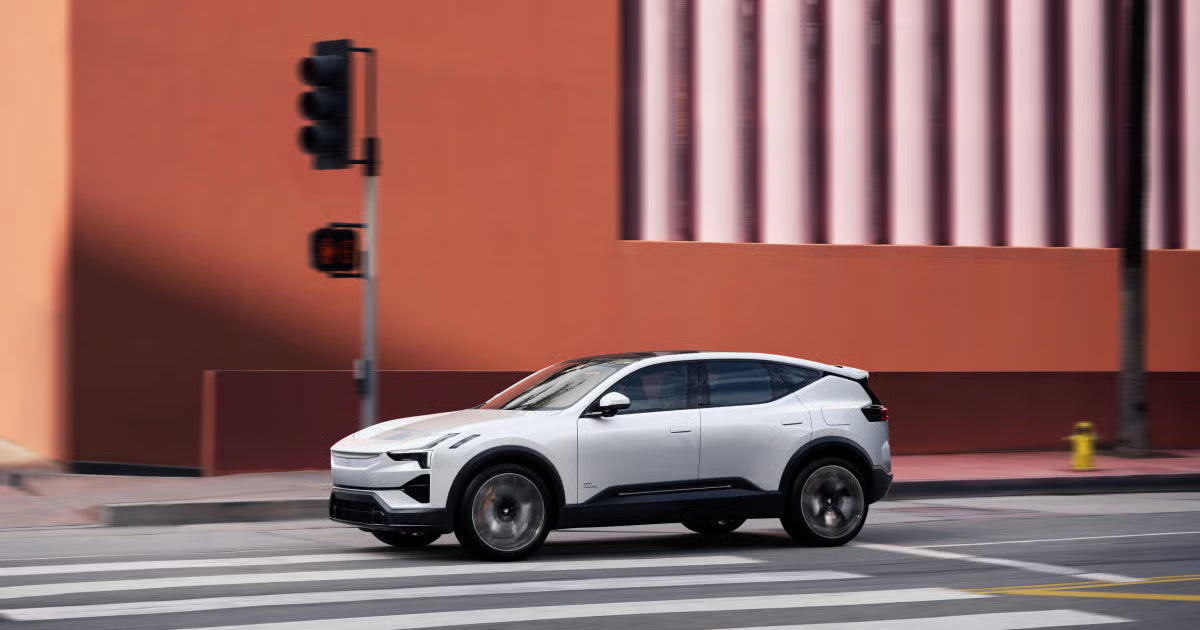
Polestar has lost authorization to sell 2027 model-year and newer vehicles in the United States, but the automaker says it still has not received a detailed explanation from the U.S. Department of Commerce. The decision is tied to federal restrictions on connected vehicles associated with Chinese technology, although Polestar argues that its treatment differs from that of closely related Volvo.
Polestar Seeks Details From U.S. Regulators
Polestar told its American dealers that it is seeking more information from the Commerce Department about the basis for the decision. Without authorization, the company cannot continue normal U.S. sales of vehicles covered by the rule from the 2027 model year onward.
The issue is especially significant because Polestar is controlled by China's Geely Group, while its vehicles use technology and corporate resources shared across the wider Geely and Volvo organization.
According to a dealer communication reported by The Wall Street Journal, Peter Wexler, Polestar's U.S. head of government affairs, said the company is trying to obtain the information it requested from federal officials and determine why its application was denied.
Polestar did not pursue an appeal and has instead indicated that Europe will become an even greater focus for its business.
Connected Vehicle Rules Are Central to the Case
The regulatory dispute stems from U.S. rules covering connected vehicle technology associated with China and Russia.
The framework was finalized during the Biden administration and targets certain vehicle connectivity systems and automated-driving hardware or software linked to countries the U.S. government considers security concerns.
Modern vehicles routinely collect, transmit and process information through telematics, cameras, connectivity systems and driver-assistance technology. U.S. regulators have argued that foreign access to these systems could create cybersecurity or national-security risks.
For Polestar, Chinese ownership makes compliance particularly important. However, the company has questioned why its application failed while Volvo received special authorization allowing it to continue operating in the U.S. market.
Polestar Points to Its Similarities With Volvo
One of Polestar's main arguments centers on the Polestar 3 and Volvo EX90.
The two electric SUVs share significant technology and are manufactured at the Volvo Cars plant in Ridgeville, South Carolina. Polestar has also said the vehicles use the same underlying software architecture.
That overlap has raised questions for the company about why the federal government reached different conclusions for the two brands.
Volvo, although also controlled by Geely, successfully secured authorization to continue U.S. vehicle sales under the connected-car regulations.
Swedish Minister for Foreign Trade Benjamin Dousa has said his government worked closely with Volvo as the company addressed the new U.S. requirements. According to reporting by Automotive News, Polestar did not seek comparable assistance from the Swedish government during that process.
Dealer Lawsuit Adds Another Problem for Polestar
The regulatory decision has also created tension between Polestar and parts of its American dealer network.
Prestige Imports, a Polestar retailer in New Jersey, filed a lawsuit alleging that the automaker had been preparing to withdraw from the United States well before the federal decision became public.
The dealer claims Polestar used the government action to explain an exit that had already been under consideration. It also alleges that the automaker violated the New Jersey Franchise Practices Act, which places requirements on manufacturers seeking to terminate franchise relationships.
Polestar's position, however, is that the federal authorization decision prevented it from continuing with its previous U.S. plans.
The dispute could therefore become important in determining how responsibility for the market withdrawal is divided between government regulation and Polestar's own business decisions.
Europe Becomes More Important for Polestar
Losing access to the U.S. market would narrow Polestar's geographic reach, but Europe already represents the majority of its business.
Approximately 80% of Polestar's global sales come from European markets, giving the company an established customer base outside the United States.
That makes a stronger European focus a practical response, although it does not eliminate the strategic impact of losing the American market.
The unanswered question is why Polestar failed to secure authorization while Volvo succeeded despite the brands' shared ownership connections, technology and U.S. manufacturing links.
Until the Commerce Department provides further details, the precise regulatory distinction between the two companies remains unclear.
FAQ
Why can Polestar no longer sell new cars in the U.S.?
Polestar was denied federal authorization for vehicles from the 2027 model year onward under U.S. connected-vehicle regulations. The company says it has not received a detailed explanation of the specific reason for the denial.
What is the U.S. Connected Vehicle rule?
The regulation restricts certain connected-vehicle hardware and software associated with China and Russia. U.S. officials have cited cybersecurity, data access and national-security concerns as reasons for the restrictions.
Why can Volvo continue selling cars in the U.S.?
Volvo received special authorization allowing it to continue U.S. sales under the new rules. Polestar has questioned the different outcome because both companies have links to Geely and share some vehicle technology.
Are the Polestar 3 and Volvo EX90 related?
Yes. The Polestar 3 and Volvo EX90 share significant technical elements and are assembled at the same Volvo facility in South Carolina. Polestar says they also use the same core software architecture.
Will Polestar leave the U.S. market?
Without authorization for 2027 and later vehicles, Polestar cannot continue its previous U.S. sales plans. The company has chosen not to appeal the decision and plans to place greater emphasis on Europe, which generates about 80% of its global sales.
Recommend Reading: Apple Music Coming to More Volvo Vehicles


Share:
Tesla China Recall Adds Eye-Tracking Checks
How Mercedes Plans to Make AMG EVs Feel Familiar