





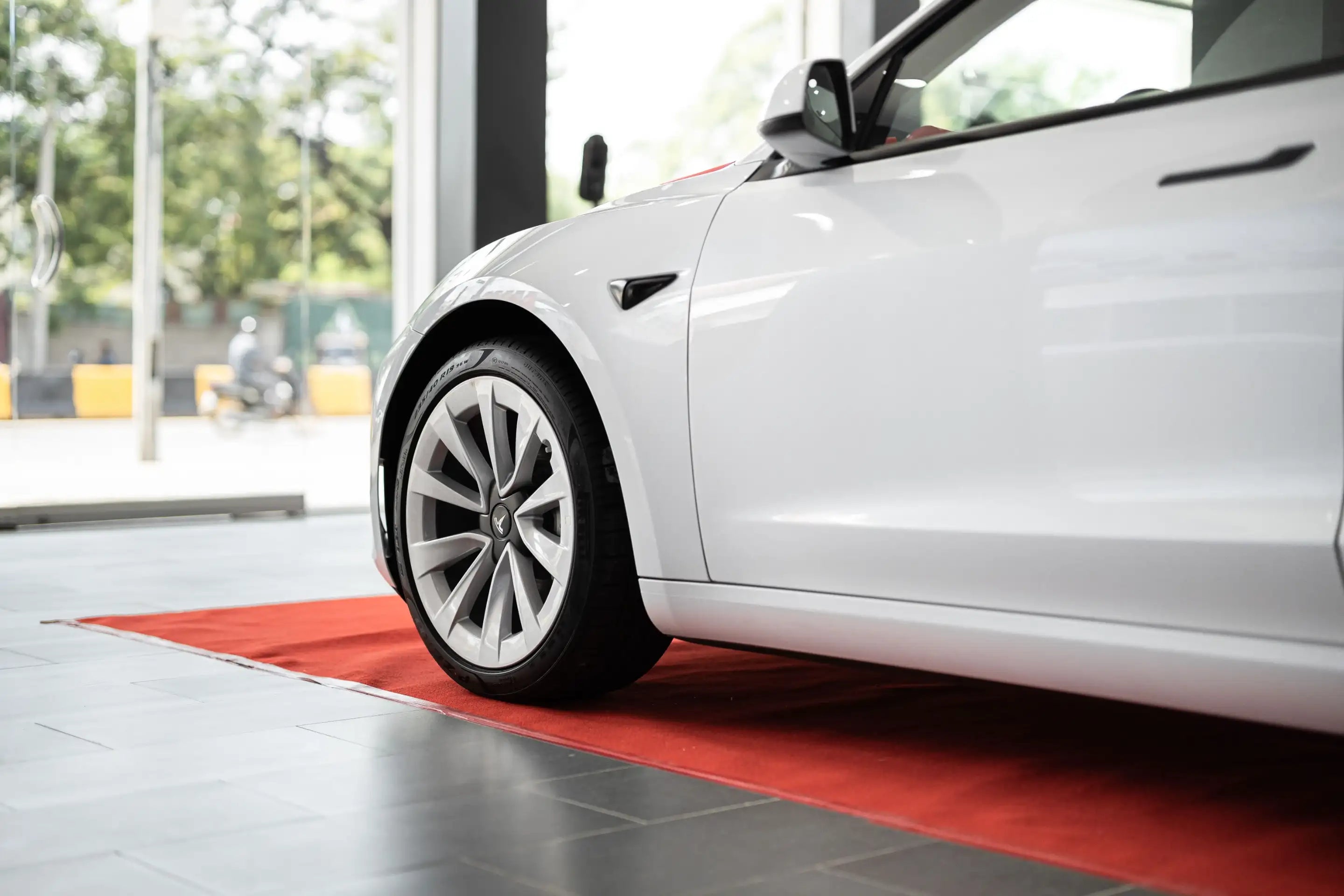
Tesla is recalling 2,740,642 Model 3 and Model Y vehicles in China to strengthen driver-attention monitoring during Level 2 assisted driving. The software remedy will combine the vehicles’ existing steering-wheel checks with cabin-camera monitoring designed to determine whether drivers are watching the road.
Which Tesla Vehicles Are Included?
The recall applies to China-built Model 3 and Model Y vehicles manufactured between March 4, 2019, and December 7, 2025, according to information filed with China’s State Administration for Market Regulation (SAMR).
Regulators identified a weakness in the way the affected vehicles determine whether a driver remains attentive while using Autosteer as part of a Level 2 driver-assistance system. The existing approach relies heavily on detecting torque applied to the steering wheel.
That can indicate that a driver has a hand on the wheel, but it does not necessarily establish that the person is looking ahead and monitoring traffic.
Chinese regulators concluded that the system may not provide adequate warnings when a driver's attention moves away from the road, creating a potential safety risk.
Tesla does not need owners to bring the affected vehicles to a service center. Instead, the company will address the issue through an over-the-air software update.
Cabin Cameras Will Add Another Attention Check
After the update, Tesla will use information from the interior camera alongside steering-wheel torque measurements. This gives the vehicle an additional way to evaluate driver engagement rather than relying mainly on physical interaction with the steering wheel.
Camera-based monitoring is particularly relevant for Level 2 assistance, where the vehicle can control steering and speed under certain conditions but the person behind the wheel remains responsible for supervising the system.
Tesla had already begun using interior-camera monitoring with newer assisted-driving functions offered in China. However, reports have also highlighted attempts by some drivers to bypass these safeguards.
One method involved placing plastic mannequin or doll heads near the driver's position in an effort to make the camera interpret the object as an attentive person. Such attempts underline a broader challenge for automakers: monitoring systems must distinguish genuine driver attention from efforts to defeat their safeguards.
Tesla Previously Limited Camera Use in China
The broader deployment of cabin-camera monitoring also represents a change from Tesla's earlier approach in the Chinese market.
In 2021, amid concerns over vehicle cameras and data collection, Tesla said cameras inside its China-market vehicles had not been activated. Privacy, data handling and vehicle security had become significant regulatory issues at the time.
The latest recall moves the company toward wider use of interior-camera data for driver monitoring.
The change does not turn Tesla's assisted-driving technology into an autonomous system. Drivers are still expected to supervise the vehicle continuously and remain prepared to take control.
China Tightens Oversight of Driver Assistance
China has been strengthening oversight of advanced driver-assistance technology, including how automakers describe these systems and how drivers are required to supervise them.
The Tesla action also resembles an earlier regulatory response in the United States. In December 2023, the National Highway Traffic Safety Administration announced a recall involving roughly 2 million Tesla vehicles after determining that additional safeguards were needed to reduce misuse of Autopilot.
Both cases focus on the same fundamental issue: a Level 2 system can perform substantial portions of the driving task, but it still depends on an attentive human driver.
Effective monitoring therefore needs to evaluate more than whether someone occasionally applies pressure to the steering wheel.
Tesla Faces Another Large China Recall
The driver-monitoring update was not Tesla's only recall action announced in China at the same time.
A separate recall covers nearly 3 million vehicles because regulators raised concerns about the accessibility of an interior emergency door-release mechanism following a crash.
Combined, the two actions affect 5,716,552 vehicles, although they address different safety issues and may include overlapping vehicles.
For the driver-assistance recall specifically, the important change is software-based: approximately 2.74 million Teslas will receive stronger attention monitoring that adds cabin-camera information to the existing steering-wheel system.
The update reflects a broader shift in assisted-driving regulation. As vehicles take on more steering, braking and acceleration tasks, regulators are placing greater emphasis on confirming that the human responsible for supervision is actually paying attention.
FAQ
Why is Tesla recalling vehicles in China?
China's regulator determined that the existing driver-attention system may not adequately detect when a driver stops watching the road while using Level 2 assistance. The recall affects 2,740,642 Model 3 and Model Y vehicles.
Which Tesla models are affected by the recall?
The action covers certain China-built Model 3 and Model Y vehicles produced from March 4, 2019, through December 7, 2025.
How will Tesla fix the driver-monitoring issue?
Tesla will distribute an over-the-air software update. The revised system will use the cabin camera together with steering-wheel torque detection to monitor driver attention.
Do owners need to take their Tesla to a service center?
The stated remedy is a remote software update, so the driver-monitoring fix does not require a conventional workshop repair for affected vehicles.
Does the update make Tesla's system fully autonomous?
No. The affected technology remains a Level 2 driver-assistance system, meaning the driver must continue watching the road and remain responsible for vehicle operation.
Recommend Reading: Tesla FSD v15 and Optimus Get New Timelines


Share:
Why the 2027 Chevy Bolt Struggles to Sell
Why Polestar Lost U.S. Sales Approval