





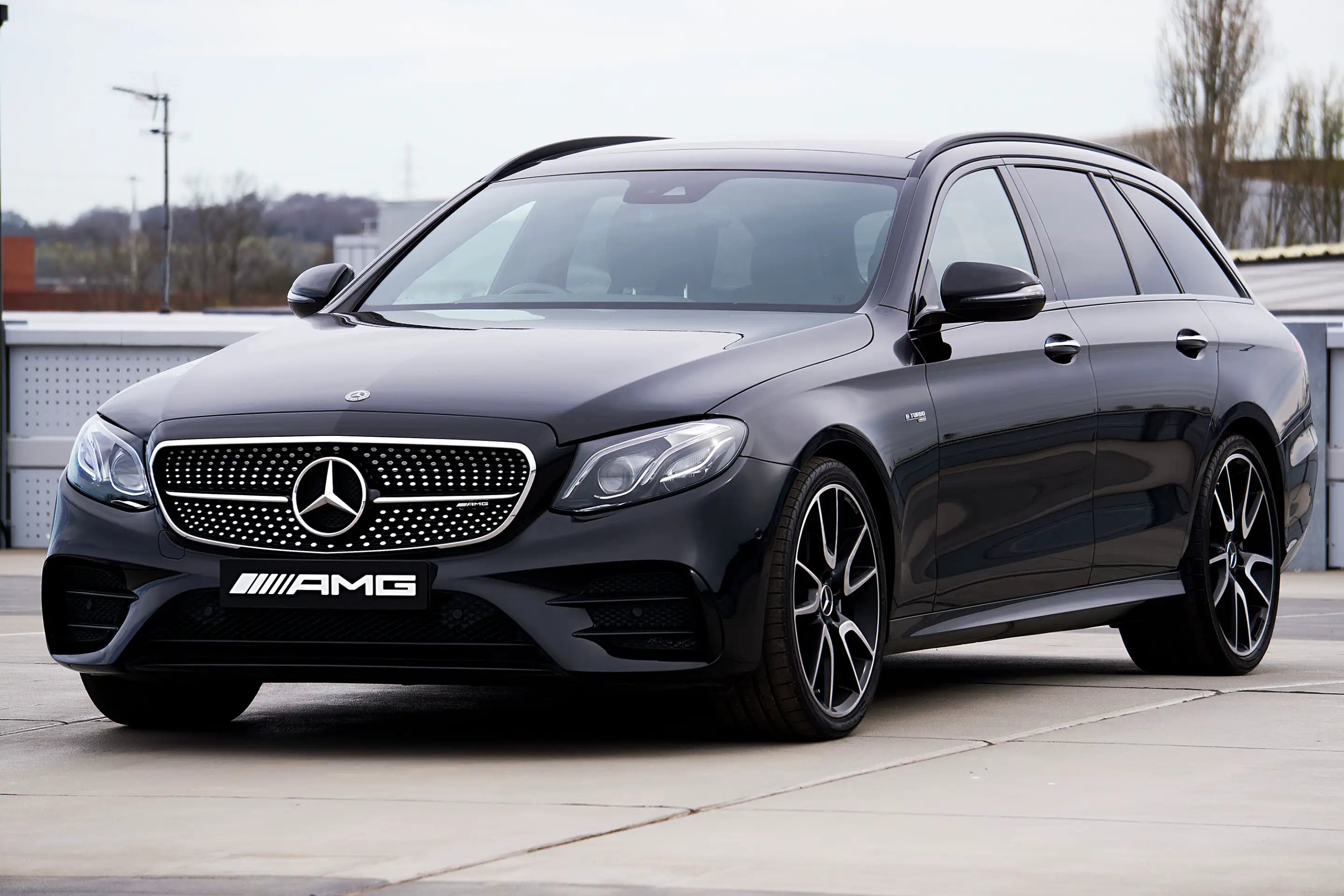
Mercedes-Benz is using simulated V8 sound, virtual gear changes and software-controlled feedback to make its next generation of AMG electric cars more engaging for performance-car buyers. CEO Ola Källenius says the approach convinced him that EVs can preserve much of the character enthusiasts associate with combustion-powered AMG models while adding stronger electric performance.
AMG Is Giving Electric Performance a New Character
Källenius has extensive experience with performance cars. Before becoming Mercedes-Benz CEO in 2019, he led AMG, worked with the company's Formula 1 powertrain operation in Britain and held an executive role at McLaren during the Mercedes-Benz SLR McLaren program.
That background shapes Mercedes' effort to make electric AMG models appeal beyond buyers primarily interested in efficiency or new technology.
During an interview with Autocar, Källenius described his experience driving the electric Mercedes-AMG CLA 45, which uses software to recreate several sensations traditionally associated with a V8-powered performance car.
The system generates an artificial engine soundtrack and adds feedback linked to simulated shifts. Rather than simply making an EV louder, Mercedes is attempting to reproduce some of the changes in sound and response that help drivers judge acceleration and interact with a combustion performance car.
Källenius said the experience delivered the character he expected from a V8 while providing the additional power and torque available from an electric drivetrain.
Mercedes Sees Enthusiasts as an Important EV Market
The strategy reflects a larger question facing performance brands: how much of the combustion-car experience should survive as vehicles become electric?
Electric motors do not require conventional multi-speed transmissions or engine revs to produce performance. That removes some of the mechanical sensations enthusiasts have traditionally used to evaluate and enjoy cars.
Mercedes believes software can restore selected elements without changing the fundamental advantages of an electric powertrain.
The company is not alone. Hyundai's Ioniq 5 N uses simulated shifts and synthetic sound, while the Dodge Charger Daytona creates an artificial performance soundtrack. Mercedes is taking a similar direction with upcoming AMG EVs.
Its electric AMG GT has more than 1,000 horsepower and also incorporates engineered sound intended to give acceleration a stronger emotional component.
Källenius said Mercedes intends to expand the performance side of its business faster than the company overall. AMG is also developing dedicated vehicle architectures where necessary, while sharing selected technology with mainstream Mercedes models to control complexity and costs.
Software Is Becoming Part of Mercedes Engineering
The transition extends beyond artificial engine sound.
Mercedes is building more vehicle functions around its MB.OS operating system, which manages an expanding range of digital services and vehicle controls. Importantly, MB.OS is not limited to battery-electric products. New combustion-powered Mercedes models also use the platform.
This allows the automaker to treat software as a common engineering layer across different powertrains.
Mercedes is simultaneously working through an unusually large product program. The company plans to introduce 40 models within three years through the end of 2027.
New electric products are being developed around architectures including MMA and MB.EA. These platforms underpin vehicles such as the electric CLA and newer electric C-Class and GLC models.
Källenius said a carefully planned architecture strategy is necessary to support such a large number of launches. Reusing suitable systems and components allows Mercedes to introduce new vehicles without redesigning every element for each model.
Mercedes Is Keeping EV and Combustion Options
Despite its investment in electric technology, Mercedes acknowledges that customer adoption is developing at different speeds across markets.
Källenius said the transition toward electrification has progressed significantly, but consumer demand has not yet reached the point where Mercedes can rely exclusively on battery-electric vehicles.
The company therefore continues developing electric models alongside advanced electrified combustion vehicles.
That approach gives Mercedes flexibility as regulations, charging infrastructure and consumer preferences change. It also reflects a broader adjustment across established automakers, many of which have maintained or extended combustion and hybrid programs while continuing long-term EV development.
For AMG, the challenge is more specific. Electric motors already provide the acceleration and torque expected from modern performance cars. Mercedes now needs to determine whether software-generated sound and simulated mechanical feedback can provide enough emotional involvement for traditional performance buyers.
Källenius' response to the technology suggests Mercedes believes it can. Whether customers reach the same conclusion will become clearer as the new generation of electric AMG models reaches the market.
FAQ
Why is Mercedes adding simulated V8 sound to electric AMG cars?
Mercedes wants electric AMG models to retain some of the sound and driver interaction associated with combustion performance cars. The system combines artificial engine audio with simulated gear-change feedback while keeping an electric drivetrain.
Does an electric AMG actually have a V8 engine?
No. The V8 effect is created through software and vehicle feedback. The underlying propulsion system remains fully electric.
Which Mercedes EV uses simulated V8 characteristics?
The electric Mercedes-AMG CLA 45 uses technology designed to recreate V8-like sound and shifting sensations. Mercedes is also applying engineered sound to other high-performance electric models.
Is Mercedes planning to become fully electric?
Mercedes continues investing heavily in battery-electric vehicles, but it is also maintaining electrified combustion-engine models while EV adoption develops. The company is therefore supporting both powertrain types during the transition.
What is Mercedes MB.OS?
MB.OS is Mercedes-Benz's vehicle software platform for digital functions and connected systems. It is being used across both electric and combustion-powered Mercedes vehicles.
Recommend Reading: Mercedes EQS 400 Reichweite 926 km Preis Ladeleistung 2026


Share:
Why Polestar Lost U.S. Sales Approval
Hyundai Santa Fe EREV Coming With 600-Mile Range