





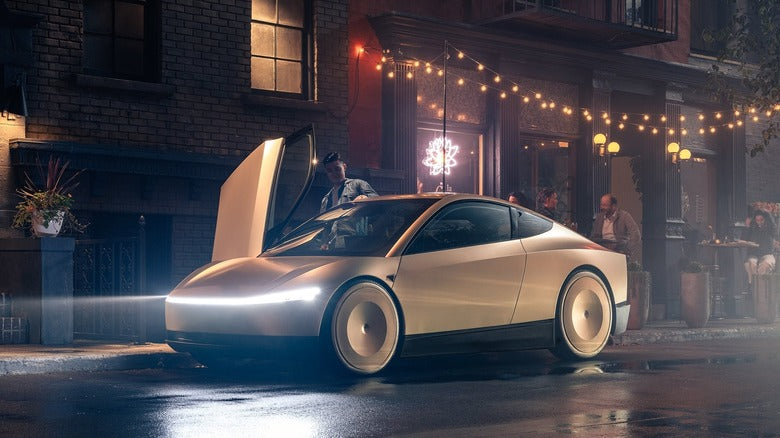
Tesla is preparing to launch the Cybercab in Austin, but several major questions remain unresolved before the two-seat robotaxi can operate at large scale. Tesla still needs to demonstrate reliable camera-based autonomy, establish a regulatory path for its unconventional design, explain its charging infrastructure and clarify whether consumers will actually be able to buy one for about $30,000.
Tesla Needs More Cybercab-Specific Driving Data
The Cybercab differs fundamentally from Tesla's existing passenger cars. It was designed for autonomous operation without a traditional steering wheel or pedals, making the reliability of its driving system central to the vehicle's commercial prospects.
Tesla already operates driverless Model Y vehicles through its Robotaxi service in Austin and other markets, and the company says its unsupervised fleet and operating hours are expanding.
However, Cybercab cannot immediately rely on all of the experience accumulated by the Model Y fleet.
Elon Musk said during Tesla's latest earnings call that the new vehicle platform requires its own driving data before the company can deploy Cybercabs in large numbers. Human-operated development vehicles equipped with temporary steering controls have consequently been testing on public roads.
That process could determine how quickly Cybercab moves from launch event to meaningful commercial deployment.
Camera-Only Autonomy Remains a Key Test
Tesla's autonomous-driving strategy relies primarily on cameras and artificial intelligence, rather than combining cameras with lidar and other sensors used by some competitors.
The Cybercab was developed around that approach.
Tesla now needs to show that the system can perform consistently enough for a dedicated robotaxi that may operate for long periods without anyone in the driver's seat. Some autonomous-driving developers argue that multiple sensor types provide additional redundancy when visibility or road conditions become difficult.
The difference is particularly visible when comparing Tesla with Waymo. Waymo operates thousands of autonomous vehicles and provides more than 500,000 rides per week, according to the figures cited in the original report. It has accumulated over 200 million driverless miles.
Tesla, by comparison, reported approximately 380,000 autonomous miles on its latest earnings call.
Tesla's Robotaxi operation is growing, but its current scale remains substantially smaller.
Charging and Daily Operations Need More Detail
Autonomous driving is only one part of operating a robotaxi fleet. Vehicles also need to charge, clean and return to service with minimal human assistance.
Tesla previously presented wireless charging as an important Cybercab feature. Eliminating the need to physically connect a charging cable could make automated fleet operations easier, particularly when vehicles return to charging locations without staff.
The company has also demonstrated automated interior cleaning concepts.
Yet important operational details remain unclear, including how widely wireless charging equipment will be deployed and what infrastructure will be required. Cybercab prototypes have also been observed testing with conventional charging connections, leaving questions about how production vehicles will ultimately receive power.
Tesla could provide additional details on these systems as commercial deployment approaches.
Federal Rules Could Shape the Rollout
Cybercab's design creates another challenge because conventional U.S. vehicles are normally built around equipment intended for human drivers.
A purpose-built autonomous vehicle without a steering wheel and other traditional controls may require Tesla to establish how the vehicle complies with applicable federal motor vehicle safety requirements.
There is precedent for unconventional robotaxis receiving regulatory permission. Zoox, owned by Amazon, obtained federal approval allowing commercial deployment of up to 5,000 purpose-built autonomous vehicles over two years.
Tesla has not publicly detailed whether it intends to pursue a similar exemption or use another compliance route for Cybercab.
The regulatory strategy could affect both deployment volume and timing.
The $30,000 Consumer Cybercab Is Still Uncertain
Tesla's longer-term Cybercab proposal extends beyond operating its own ride-hailing fleet.
In 2024, Musk said consumers would eventually be able to purchase a Cybercab for approximately $30,000 and potentially place the vehicle into Tesla's autonomous network to generate income.
That would represent a significant change in the consumer vehicle market because fully driverless Level 4 cars are not currently available for ordinary buyers.
Tesla's consumer Full Self-Driving system has improved, but it remains designated Supervised, meaning drivers are still responsible for monitoring the vehicle.
As a result, a Cybercab launch does not automatically mean Tesla is ready to sell privately owned autonomous vehicles. The Austin event may provide a clearer deployment schedule, but Tesla still needs to demonstrate that its technology, regulatory approvals and business model can support the much broader vision it has presented for Cybercab.
FAQ
When is Tesla launching the Cybercab?
Tesla has scheduled a Cybercab launch event in Austin for the week following its August 2026 announcement. The event does not necessarily mean large-scale public deployment will begin immediately.
Will the Tesla Cybercab cost $30,000?
Elon Musk previously said Tesla intended to offer Cybercab to consumers for around $30,000. Tesla has not yet established a confirmed public sales date or demonstrated that this price will apply to a production vehicle available to individual buyers.
Does Tesla Cybercab use lidar?
Tesla's autonomy strategy is centered on camera-based perception and AI rather than the lidar-focused sensor architecture used by companies such as Waymo. Proving that this approach can support reliable driverless operation at scale remains an important part of the Cybercab program.
How will the Tesla Cybercab charge?
Tesla has previously shown wireless charging for Cybercab, which could reduce the need for human involvement in fleet operations. However, testing vehicles have also appeared with conventional charging connections, and final infrastructure details remain unclear.
Can Tesla legally sell a car without a steering wheel?
A vehicle without conventional driver controls must satisfy applicable U.S. safety regulations or receive the necessary regulatory authorization. Zoox has already obtained permission for limited deployment of purpose-built autonomous vehicles, but Tesla's specific Cybercab compliance strategy has not been publicly detailed.
Recommend Reading: Tesla Cybercab Road Tests Enter New Phase


Share:
BMW EV Sales Reach 2 Million Worldwide
Nissan Rogue e-Power Hybrid Arrives in November