





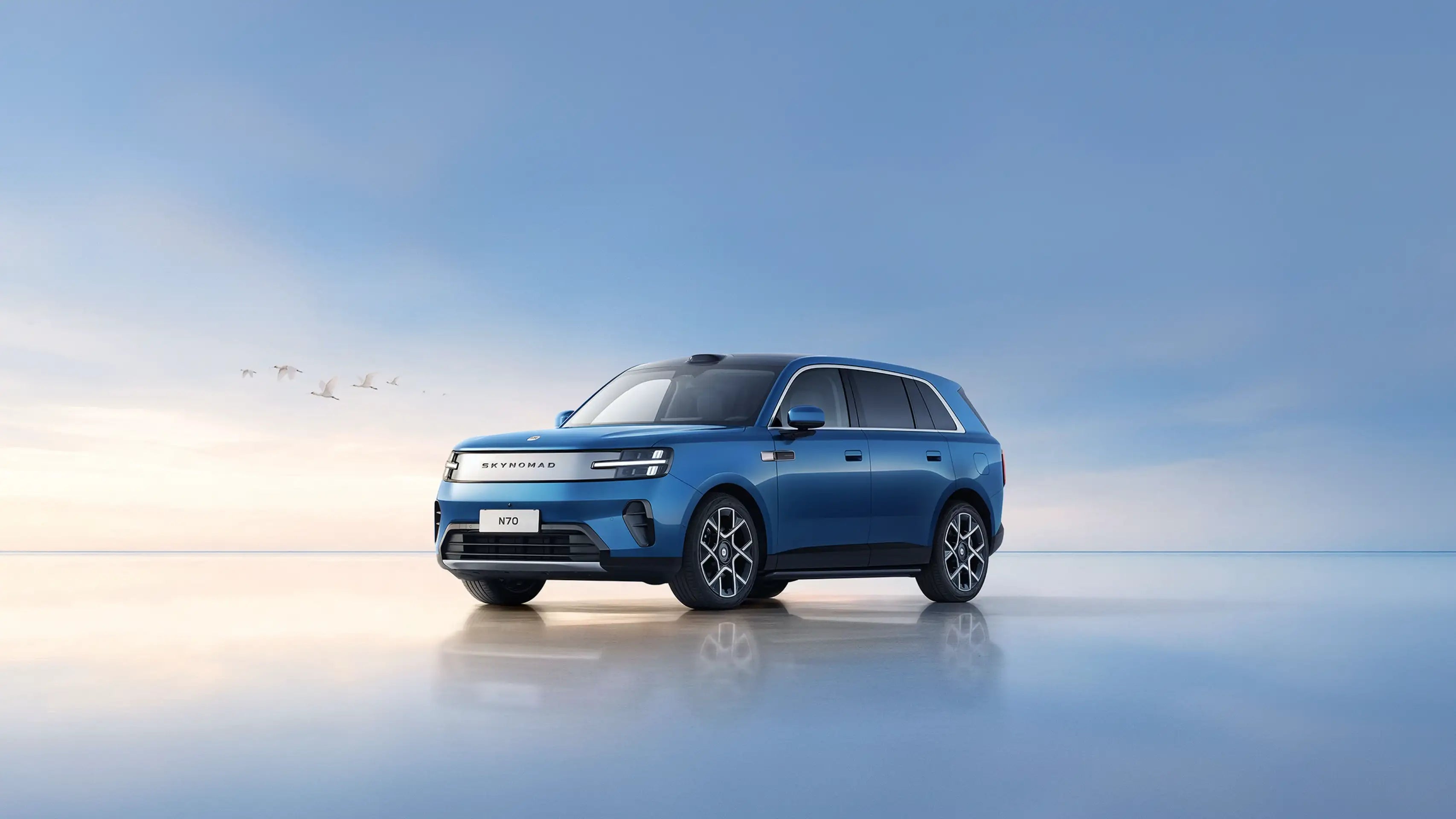
There is currently no confirmed U.S. policy to open the domestic auto market to Chinese vehicles as part of upcoming U.S.-China talks. Senator Elissa Slotkin has raised concerns about an unverified report ahead of President Donald Trump’s planned meeting with Chinese President Xi Jinping, while existing tariffs and vehicle-security restrictions continue to limit Chinese automakers.
Slotkin Raises Concern Ahead of Trump-Xi Talks
Slotkin, a Democratic senator from Michigan, said she had heard reports that the Trump administration could consider allowing Chinese vehicles greater access to the United States as part of a wider agreement with Beijing.
She did not identify the source of that information, and no such change has been formally announced by the White House. That distinction is important because current U.S. policy continues to place substantial barriers on Chinese-built electric vehicles and connected-car technologies.
The issue is emerging shortly before Trump and Xi are expected to meet in Washington on September 24, 2026. Reuters has reported that trade, technology restrictions and other economic matters are expected to feature in discussions surrounding the visit, but there has been no confirmed announcement that Chinese vehicle market access will be part of an agreement.
Slotkin argues that greater Chinese competition could affect Michigan’s auto sector and broader U.S. manufacturing. Her warning also comes as Congress considers legislation that would make restrictions on Chinese connected vehicles more durable.
Bipartisan Bill Would Strengthen Vehicle Restrictions
Slotkin and Republican Senator Bernie Moreno of Ohio have introduced legislation intended to codify restrictions on vehicles linked to China.
The proposal focuses not only on complete vehicles but also on connected software and hardware that lawmakers say could create national-security concerns. Current connected vehicles can transmit information through cellular networks, Wi-Fi, Bluetooth and other communication technologies, making data security a central part of the policy debate.
The measure advanced through the Senate Commerce Committee, although further changes may be needed before final passage.
The Alliance for Automotive Innovation, which represents major manufacturers including Ford, General Motors, Toyota, Hyundai, Volkswagen and Stellantis, has also urged Congress to establish stronger long-term restrictions on Chinese automakers. The United Auto Workers has supported efforts to limit Chinese vehicle entry as well.
Some lawmakers have raised questions about how broadly ownership restrictions should be written, particularly when global automakers have minority Chinese investors.
Chinese EVs Already Face Major U.S. Barriers
Even without new legislation, Chinese electric vehicles face substantial obstacles in the American market.
In 2024, the Biden administration increased the Section 301 tariff on EVs imported from China from 25% to 100%. The higher rate was part of a broader package covering batteries, semiconductors and other strategic products.
The Trump administration has not announced a reversal of that tariff.
Separate federal connected-vehicle rules have also created additional barriers for manufacturers with significant ties to China. Reuters reported that the regulations effectively prevent Chinese automakers from selling or manufacturing many connected passenger vehicles for the U.S. market.
These measures mean that opening the market would require more than a simple change in import policy. Tariffs, software rules, hardware restrictions and possible new legislation would all affect how Chinese companies could enter the country.
U.S.-China Auto Policy Remains Unsettled
The debate comes as Washington is taking a broader look at American automakers’ connections with Chinese technology companies.
Trump administration officials have recently criticized Ford over relationships involving CATL, Geely and BYD, citing concerns about dependence on Chinese technology. At the same time, other administration officials have praised Ford’s investment in domestic manufacturing, illustrating the competing industrial and trade considerations involved.
That policy environment makes a sudden large-scale opening to Chinese vehicle imports uncertain based on currently available information.
For now, Slotkin’s statement should be viewed as a political warning about a possible negotiating outcome rather than evidence of an agreed policy. The more concrete developments are the upcoming Trump-Xi meeting, existing 100% EV tariffs, and congressional efforts to strengthen restrictions on Chinese connected vehicles.
Any meaningful change in U.S. access for Chinese automakers would likely require clear action from the administration or Congress before it could materially alter the market.
FAQ
Is the U.S. planning to allow Chinese EVs to be sold?
No confirmed policy has been announced. Senator Elissa Slotkin has discussed reports of a possible change, but the White House has not publicly established such a plan.
What tariff applies to Chinese electric vehicles?
The United States raised its Section 301 tariff on EVs imported from China to 100% in 2024. That tariff remains an important barrier to direct Chinese EV imports.
Why does Congress want additional restrictions on Chinese cars?
Supporters of tighter rules cite concerns involving connected-vehicle software, hardware, data collection and national security. A bipartisan proposal from Senators Slotkin and Moreno seeks to formalize and expand existing restrictions.
When will Trump and Xi meet?
President Donald Trump and Chinese President Xi Jinping are expected to meet in Washington on September 24, 2026. Trade and technology issues are among the subjects surrounding the planned discussions.
Can Chinese automakers currently compete normally in the U.S.?
No. High tariffs and connected-vehicle restrictions create substantial barriers for Chinese manufacturers seeking to sell passenger vehicles in the United States.
Recommend Reading: Tesla China Recall Adds Eye-Tracking Checks


Share:
ProLogium Starts Solid-State Battery Production