





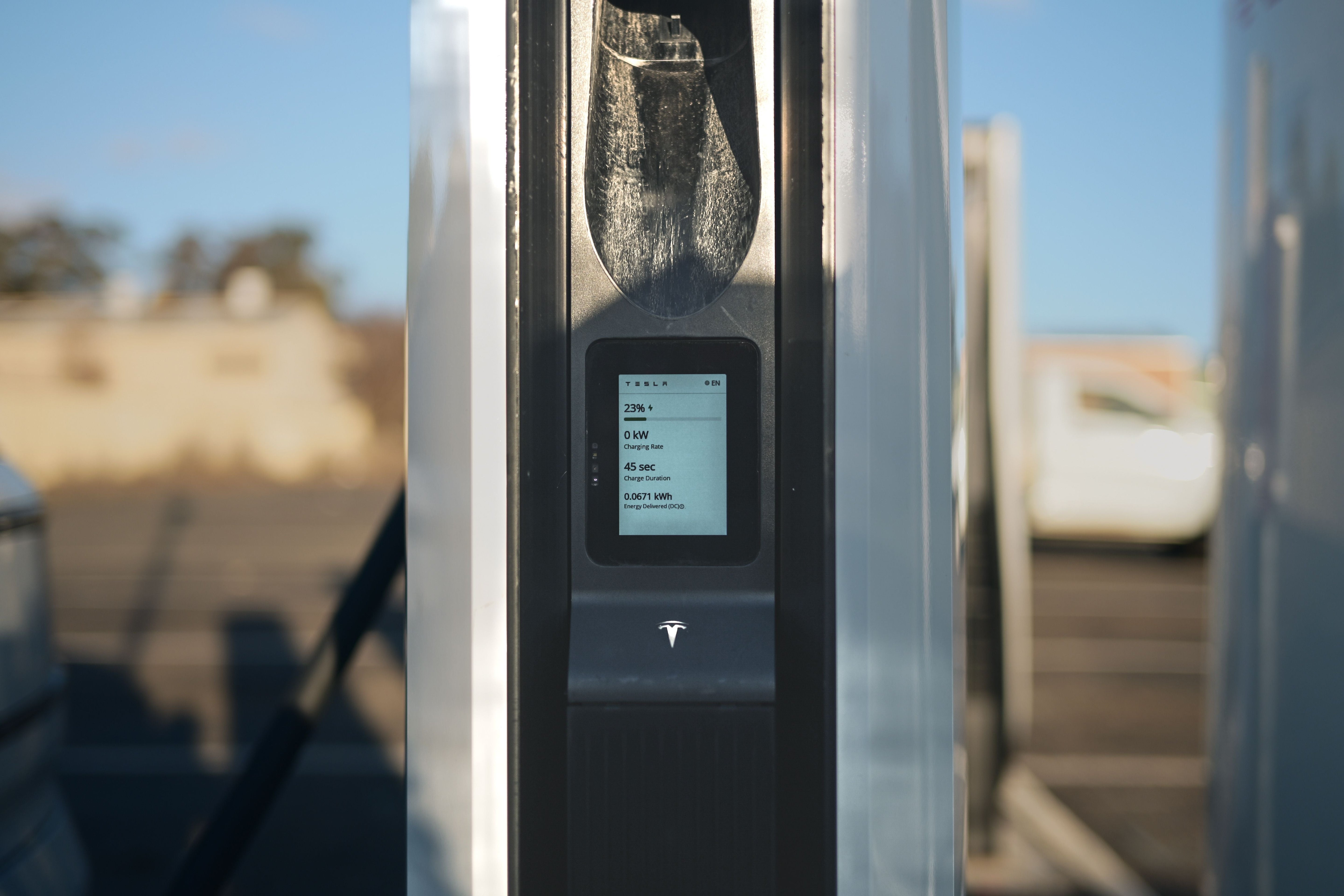
A household electricity bill rarely shows EV charging as a separate cost. The amount is mixed with heating, cooling, appliances, and other household use.
Charging records offer a clearer view. By adding up the energy used at home and applying the correct electricity rate, drivers can build a practical monthly estimate. The number will not replace the utility bill, but it can make charging costs much easier to understand and compare.
Household Electricity Bills Do Not Isolate EV Charging
A higher electricity bill after buying an EV does not show exactly how much the vehicle added. Household energy use changes throughout the year. Air conditioning may raise summer bills, while heating and longer evenings can increase winter use.
Comparing this month’s total with a bill from several months ago can therefore be misleading. Even two similar months may include different weather, travel, or household activity.
A better starting point is the energy recorded during actual home charging sessions. This separates the vehicle from most other household use and creates a more consistent basis for comparison.
Charging History Creates a More Useful Baseline
Charging data may be available through the vehicle, a home charger, or both. Useful details include the date, energy used, charging location, and sometimes the start and finish times.
Drivers do not need to save every screen. A monthly total is enough. Marking each session as home or public charging also prevents different prices from being mixed together.
Smart chargers can make this easier by keeping the information in one place. For example, the EVDANCE Flux Pro home charger allows users to monitor charging and track energy use through its app. The important part is not the brand of the app, but having a consistent record from month to month.
Total Energy Matters More Than Session Count
The number of charging sessions says little about the final cost. Ten short top-ups may use less electricity than five longer sessions.
Suppose one driver completes ten sessions that add up to 120 kWh. Another completes five sessions totaling 180 kWh. The second driver charged fewer times but used more energy.
For monthly tracking, add the kWh from all home sessions. There is no need to convert each session into miles of range or estimate how much of the battery was filled.
Electricity Rates Shape the Monthly Estimate
Once the monthly home charging total is known, the basic calculation is simple:
Monthly charging energy × electricity rate = estimated home charging cost
For example, 200 kWh at $0.18 per kWh gives an estimated cost of $36.
The correct rate matters. Electricity prices differ by location, utility, and rate plan. The U.S. Energy Information Administration explains that electricity prices vary between customer groups and locations.
Some households also pay different rates at different times. In that case, divide the charging record into the relevant periods. Multiply each group by its rate, then add the results. This is more useful than applying one average rate to every session.
Home and Public Charging Belong in Separate Totals
Public charging should be tracked separately because it may follow a different pricing system. According to the U.S. Department of Energy, public stations may charge by session, time, or energy used. Some locations also add parking, idle, or membership fees.
Keep one monthly total for estimated home charging and another for public charging receipts. Adding the two totals gives a clearer picture of overall EV energy spending.
This separation also shows whether a change in the monthly cost came from driving more, charging more often in public, or using a different home rate.
Monthly Comparisons Show How Habits Change
One month of data provides a snapshot. Several months reveal a pattern.
A simple record can include the month, home charging energy, estimated home cost, public charging cost, and combined total. Over time, this may show that public fast charging increased during a road trip, home use rose during a busy commuting month, or off-peak charging lowered costs without changing total energy use.
Seasonal changes are also easier to recognize. Higher energy use in winter does not always mean the charger is performing poorly. The car may simply be using more energy for the same driving routine.
The goal is not to make every month identical. It is to understand why the total changed.
Charger Records Provide an Estimate, Not the Final Bill
Charging records are useful for budgeting, but they are not the same as a utility meter or public charging invoice.
The app and vehicle may report slightly different numbers. The household bill may also include fixed service charges, taxes, credits, or rate adjustments that are not part of a simple kWh calculation.
For that reason, the monthly result should be described as an estimate. Use the same data source and method each month, then use the utility bill as the final record of what the household paid.
Clear Records Support Better Cost Decisions
Tracking EV charging does not require a complicated spreadsheet. A monthly energy total, the correct home rate, and a separate list of public charging expenses are enough to create a useful picture.
With a consistent record, drivers can see how charging fits into the household budget and whether a change in routine is actually changing the cost.
Recommend Reading: Living With an EV on Level 1 Charging for 19 Months


Share:
Used EV Charging Checklist Before Purchase
EV Charging Speed Explained with Real Examples