



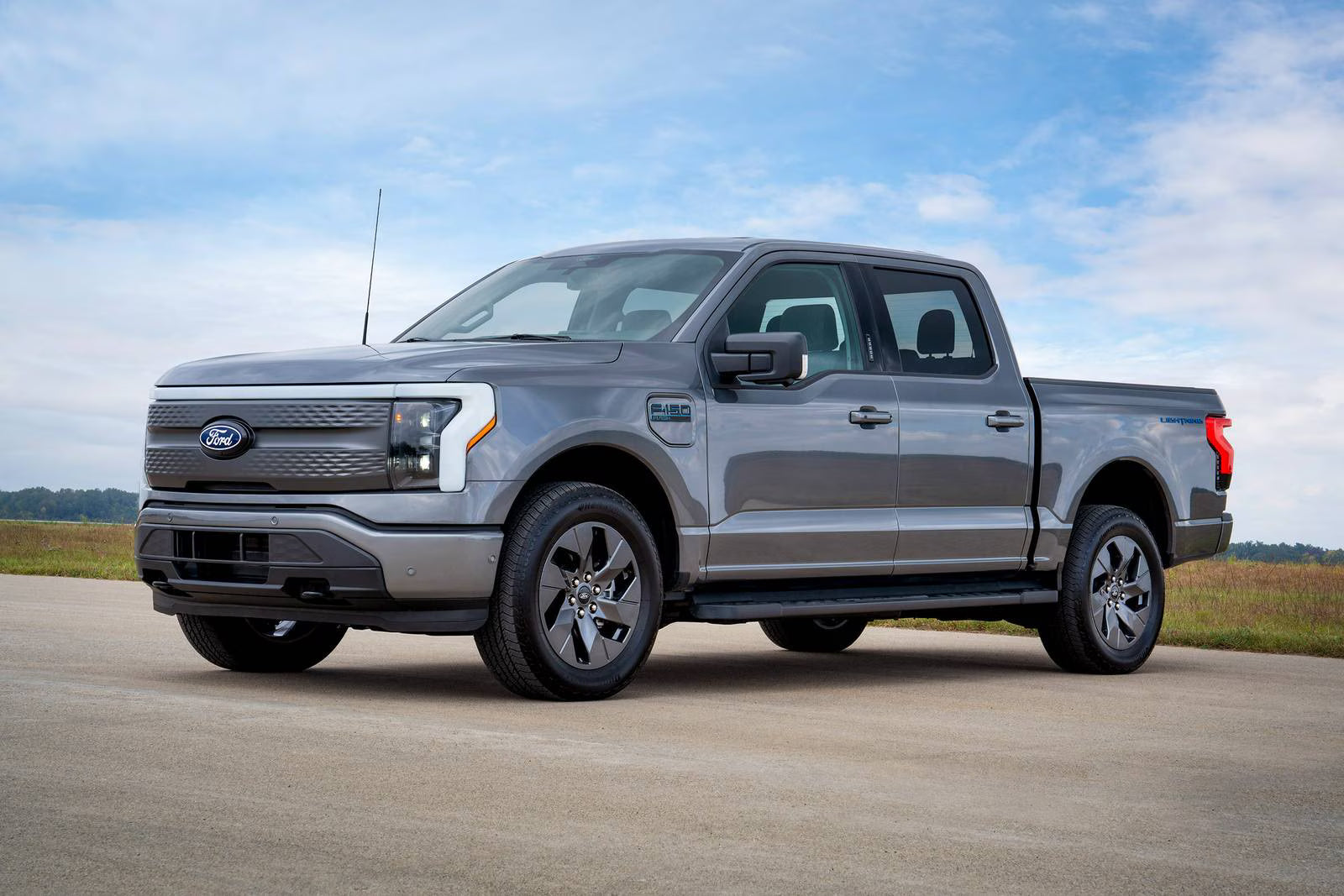
California's new EV rebate will only apply to selected automakers and qualifying vehicles. Buyers can receive up to $3,500 toward a new EV or $1,750 for an eligible used model, but participation depends on both vehicle pricing and manufacturer enrollment in the program.

Rivian Aims for Ambitious R2 Launch With 25,000 Units in 2026

California Introduces a New Purchase Incentive

California is launching a revised electric vehicle incentive program after the federal EV tax credit ended. Rather than replacing the previous federal benefit dollar for dollar, the state has created a more targeted rebate designed to support lower-priced electric vehicles.

Under the new plan, buyers can receive an instant rebate of up to $3,500 when purchasing a qualifying new EV. Eligible used electric vehicles can receive rebates of up to $1,750. Unlike traditional tax credits, the discount will be applied directly at the dealership during the purchase process, reducing the vehicle's price immediately.

To qualify, most new EVs must carry a manufacturer's suggested retail price below $50,000, while used vehicles must be priced below $25,000. California-based manufacturers Lucid and Rivian are exempt from the new-vehicle price cap, giving their products additional flexibility under the program.


Thirteen Automakers Have Joined the Program

The state has confirmed that 13 automakers will participate in the rebate initiative during its initial rollout.

The participating manufacturers include:

  • Ford
  • General Motors
  • Honda
  • Hyundai
  • Kia
  • Lucid
  • Mitsubishi
  • Nissan
  • Rivian
  • Subaru
  • Tesla
  • Toyota
  • Volvo

Participation is voluntary because manufacturers are expected to contribute funding that matches part of the state's incentive. As a result, not every company selling electric vehicles in the U.S. has chosen to join.


Several Well-Known EV Brands Are Missing

A number of premium manufacturers are absent from the approved list, including BMW, Mercedes-Benz, Audi, Volkswagen, Jeep, Dodge, and Maserati.

One reason is pricing. Many of these brands primarily sell electric models that exceed California's $50,000 eligibility threshold, making participation less beneficial. Even manufacturers with vehicles priced close to the limit may see relatively few qualifying configurations once optional equipment is added.

As a result, the rebate program is largely focused on mainstream brands that already compete in the entry-level and mid-priced EV segments.


Participation Doesn't Always Mean Eligible Vehicles

Joining the program does not automatically mean a manufacturer currently has an electric vehicle that qualifies for the rebate.

For example, Honda remains on the participant list even though the Prologue is scheduled to end production after the 2026 model year, leaving the company without a battery-electric vehicle available for sale in the U.S.

Similarly, Volvo is participating despite the cancellation of the EX30. At present, Volvo's remaining electric models are generally priced above the standard eligibility limit, although the company is expected to introduce more affordable EVs in the future.

These examples suggest that some manufacturers may be preparing for upcoming product launches rather than relying solely on their current lineups.


How the Funding Model Works

California's rebate differs from previous federal incentives because it relies on shared funding between the state and participating automakers.

For each eligible new EV purchase, $1,750 is contributed by the manufacturer, while California provides a matching $1,750, creating a combined rebate of up to $3,500. Because companies must help finance the incentive, participation is optional rather than mandatory.

The announcement suggests that most automakers with qualifying models have agreed to join, giving consumers access to rebates across many of the best-selling affordable EVs currently available in the state.


Some Affordable EV Brands Are Still Not Participating

While most mainstream manufacturers have enrolled, there are a few notable exceptions.

Mini is not part of the program despite offering the Countryman SE, which starts below the $50,000 eligibility ceiling. Although many configurations may exceed the limit once optional equipment is added, the company has not publicly explained its decision.

Another surprising omission is Fiat. The 500e carries a starting price well below the rebate threshold, making it one of the least expensive battery-electric vehicles on the market. Even fully equipped versions remain under the maximum qualifying price, yet Fiat has not joined the rebate program.

Without manufacturer participation, buyers of these vehicles will not receive California's point-of-sale incentive even if the vehicles themselves meet the state's pricing requirements.


Questions Remain About Used EV Rebates

California has also announced rebates for qualifying used electric vehicles, but several implementation details have yet to be clarified.

The state has indicated that used EV incentives may also involve financial contributions from participating automakers. If that approach remains unchanged, it raises questions about why manufacturers would subsidize purchases of pre-owned vehicles that no longer generate direct sales revenue.

Eligibility differences between brands could also influence the used-car market. For example, a used Tesla Model 3 priced below $25,000 could potentially qualify for the rebate if Tesla participates, while a similarly priced used EV from a non-participating manufacturer may not receive any incentive.

The state is expected to release additional guidance before the program officially begins, providing more clarity on vehicle eligibility, manufacturer participation, and how rebates will be processed at dealerships.


What Buyers Should Watch Before Purchasing

Although California's rebate expands financial support for EV buyers, eligibility depends on more than just vehicle price.

Consumers should verify that both the vehicle and the manufacturer participate in the program before making a purchase. They should also confirm the final transaction price, since optional equipment could push certain models above the qualifying limit.

As California releases additional implementation details later this year, buyers will have a clearer understanding of which new and used EVs qualify and how the instant rebates will affect final purchase costs.

Lucid Gravity SUV

FAQ

Which automakers qualify for California's new EV rebate?

California has confirmed 13 participating manufacturers, including Tesla, Ford, General Motors, Hyundai, Kia, Toyota, Nissan, Honda, Rivian, Lucid, Volvo, Subaru, and Mitsubishi.

How much is California's EV rebate worth?

Eligible buyers can receive up to $3,500 on qualifying new electric vehicles and up to $1,750 on eligible used EVs. The rebate is applied directly at the point of sale.

Why aren't all EV brands included?

Participation is voluntary because manufacturers help fund the incentive. Companies that choose not to participate cannot offer the rebate, even if some of their vehicles meet the state's pricing requirements.

What vehicles qualify for the rebate?

Most new EVs must have an MSRP below $50,000, while eligible used EVs must be priced below $25,000. California-based manufacturers Lucid and Rivian are exempt from the new-vehicle price cap.

When will the rebate become available?

California plans to launch the program later this year. Additional information about vehicle eligibility, dealership participation, and used EV rebates is expected before the official rollout.

Recommend Reading: California EV Rebate Plan Targets First-Time Buyers

You Might Be Interested