





US electric vehicle sales are showing signs of recovery one year after federal EV purchase tax credits expired on September 30, 2025. Although new EV demand remains below its earlier peak, third-quarter 2026 sales increased from the previous quarter, used electric vehicles gained buyers, and public fast charging infrastructure continued expanding.
The recovery remains uneven. Tesla has increased its market share despite lower annual sales, while automakers face growing pressure to compete through pricing, vehicle selection and ownership convenience.

US EV Sales Are Recovering, but Remain Below Previous Levels
The expiration of federal EV purchase incentives significantly changed buying patterns in the United States.
Before the September 2025 deadline, many consumers accelerated their purchases to qualify for available tax credits, including incentives of up to $7,500 for eligible new electric vehicles.
This created a temporary increase in sales followed by a sharp decline.
According to J.D. Power, battery-electric vehicles accounted for more than 14% of US retail vehicle sales in September 2025.
That share dropped to 7.1% in October and approximately 5% in November, reflecting both the loss of incentives and the earlier concentration of purchases.
However, demand subsequently began stabilizing.
J.D. Power reported that EVs represented more than 8% of retail sales in May 2026, followed by 7.9% in September 2026.
These figures suggest that the market has recovered from its lowest point, although it has not returned to the unusually high levels recorded before the tax credit deadline.
Dealership inventory data provides another indication of improving conditions.
According to Cars.com, new electric vehicles spent an average of 89.4 days on dealer lots in September 2026, compared with 115.6 days in March.
The shorter selling period suggests a closer balance between available inventory and consumer demand, although it does not establish that overall sales have fully recovered.
Tesla Gains Market Share Despite Lower Annual Sales
The recovery has been particularly uneven across electric vehicle manufacturers.
According to Cox Automotive estimates, approximately 262,000 new electric vehicles were sold in the United States during Q3 2026, representing a 6.1% increase from Q2.
However, total sales remained substantially lower than in the corresponding quarter of 2025.
Tesla was a major contributor to the quarterly improvement.
Cox estimates that Tesla's US sales declined 19.7% year over year, compared with a contraction approaching 40% for the overall EV market.
As a result, Tesla's estimated share of US EV sales climbed above 50%.
This distinction is important: Tesla gained market share because its sales declined less sharply than the broader market, not because its annual sales increased.
Tesla does not separately disclose US vehicle deliveries, so these regional figures are third-party estimates.
Rivian has also strengthened its position through the introduction of the R2 electric SUV, expanding its product lineup beyond higher-priced vehicles.
Meanwhile, several established automakers have delayed, revised or discontinued planned EV programs as they reassess demand and profitability.
These different strategies have contributed to an increasingly concentrated market recovery.
Used Electric Vehicles Are Attracting More Buyers
While new EV sales remain under pressure, the secondhand market is showing stronger demand.
Cox Automotive reported more than 47,000 used EV sales in September 2026, approximately 21% higher than a year earlier.
The increase helped electric vehicles reach a record share of the US used vehicle market.
A growing supply of previously leased electric cars is giving consumers access to newer models with improved driving range and features.
This wider selection is particularly relevant for buyers who want an EV but are unwilling to pay the price of a new vehicle.
Used EVs are also spending less time on the market.
According to Cars.com, secondhand electric vehicles sell in approximately 41 days on average, around 12 days faster than gasoline-powered vehicles.
Pricing trends provide additional evidence of changing demand.
Research from iSeeCars indicates that prices for relatively recent used EVs have increased by nearly 10% year over year, while prices for comparable gasoline vehicles have remained relatively stable.
Although rising used EV prices may reduce affordability for some buyers, the combination of faster sales and stronger prices suggests increased interest in secondhand electric vehicles.
US Fast Charging Infrastructure Continues to Expand
Public charging infrastructure has continued growing despite the slowdown in new electric vehicle sales.
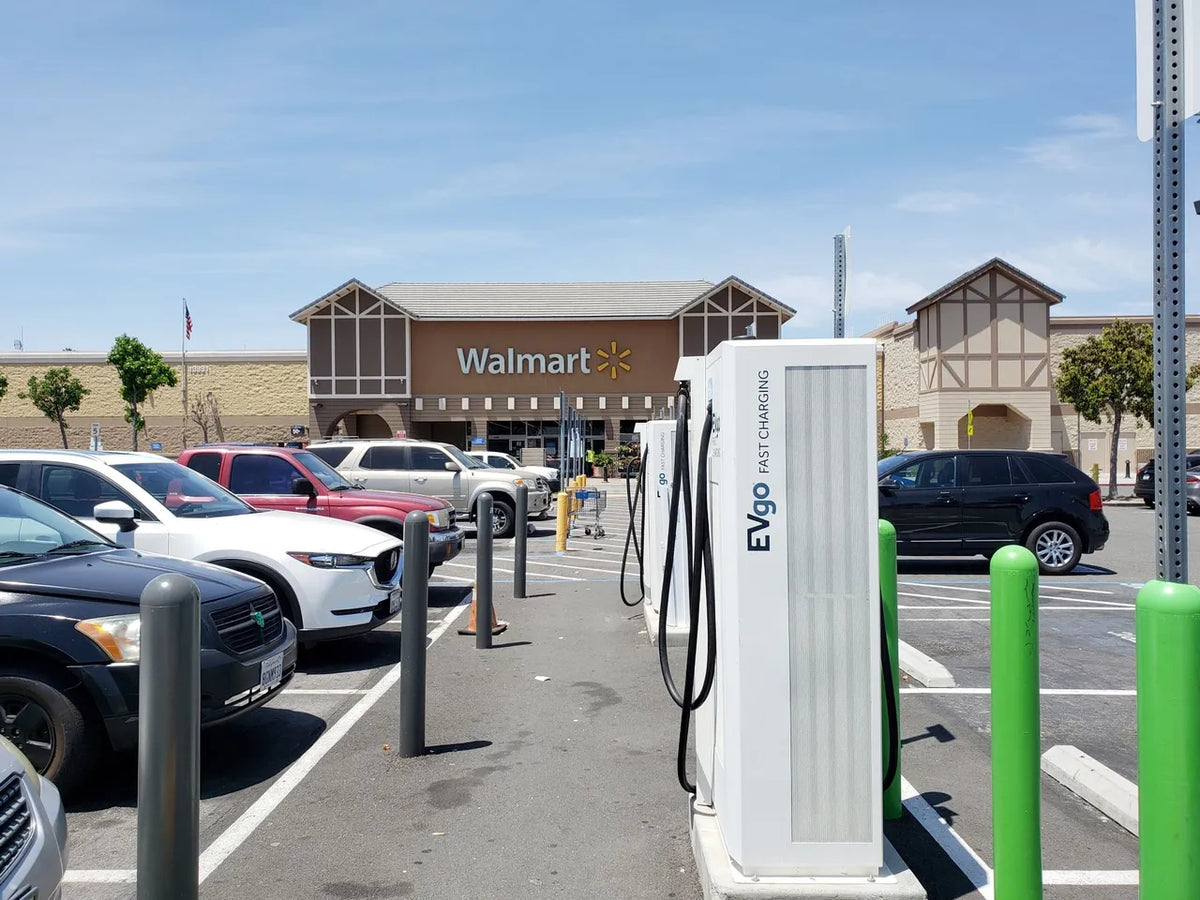
By Q3 2026, the United States had surpassed 80,000 DC fast charging ports, compared with approximately 70,000 at the end of 2025, according to figures cited in the industry report.
The increase represents additional charging capacity for drivers who depend on public infrastructure.
Fast charging is especially important for longer journeys and households without convenient access to private charging.
However, installed port counts alone cannot establish charging reliability or accessibility.
Geographic distribution, equipment availability, connector compatibility and charging performance remain important factors in the ownership experience.
Continued infrastructure development could help support future EV demand, particularly as manufacturers introduce vehicles aimed at more price-sensitive consumers.
What the Recovery Means for Future EV Buyers
The first year following the expiration of federal purchase credits shows that the US electric vehicle market has not stopped developing.
Instead, growth has become more dependent on consumer demand, competitive vehicle pricing and practical ownership considerations.
The available data points to three important developments: new EV sales are gradually stabilizing, used EV demand is strengthening, and public charging capacity is expanding.
Nevertheless, the market remains below its previous sales levels, and recovery has not been consistent across manufacturers.
Future growth will depend on whether automakers can offer vehicles at attractive prices while improving availability, charging convenience and overall value.
The end of federal purchase incentives has changed the market's economics, but it has not eliminated consumer interest in electric vehicles.

FAQ
When did the federal EV tax credit end in the United States?
Federal tax credits for eligible new and used electric vehicle purchases generally ended for vehicles acquired after September 30, 2025. Certain transactions involving binding contracts and payments made before the deadline may be subject to transitional rules.
Did US EV sales decline after the tax credit expired?
Yes. According to J.D. Power, the EV share of US retail vehicle sales fell from more than 14% in September 2025 to approximately 5% in November. By September 2026, the retail share had recovered to 7.9%.
How many electric vehicles were sold in the US during Q3 2026?
Cox Automotive estimates approximately 262,000 new EV sales in Q3 2026, representing a 6.1% quarterly increase. The estimate covers the broader US new EV market and should not be confused with J.D. Power's retail sales share figures.
Why did Tesla's US EV market share increase?
Tesla's estimated US sales declined 19.7% year over year in Q3 2026, but the overall EV market experienced a much larger contraction. Consequently, Tesla's estimated market share exceeded 50%, even though its annual sales were lower.
Are used electric vehicles selling better in 2026?
Yes. Cox Automotive reported more than 47,000 used EV sales in September 2026, approximately 21% above September 2025. Increased availability of newer secondhand models has contributed to stronger demand.
Is EV charging infrastructure still growing in the US?
Yes. Industry figures cited in the report indicate that the US exceeded 80,000 DC fast charging ports by Q3 2026, up from approximately 70,000 at the end of 2025. Charging access and reliability still vary by location.
Recommend Reading: New US Fuel Economy Rules Set 34.9 MPG Target


Share:
Rivian Fast Charging Network Reaches 1,185 Ports