





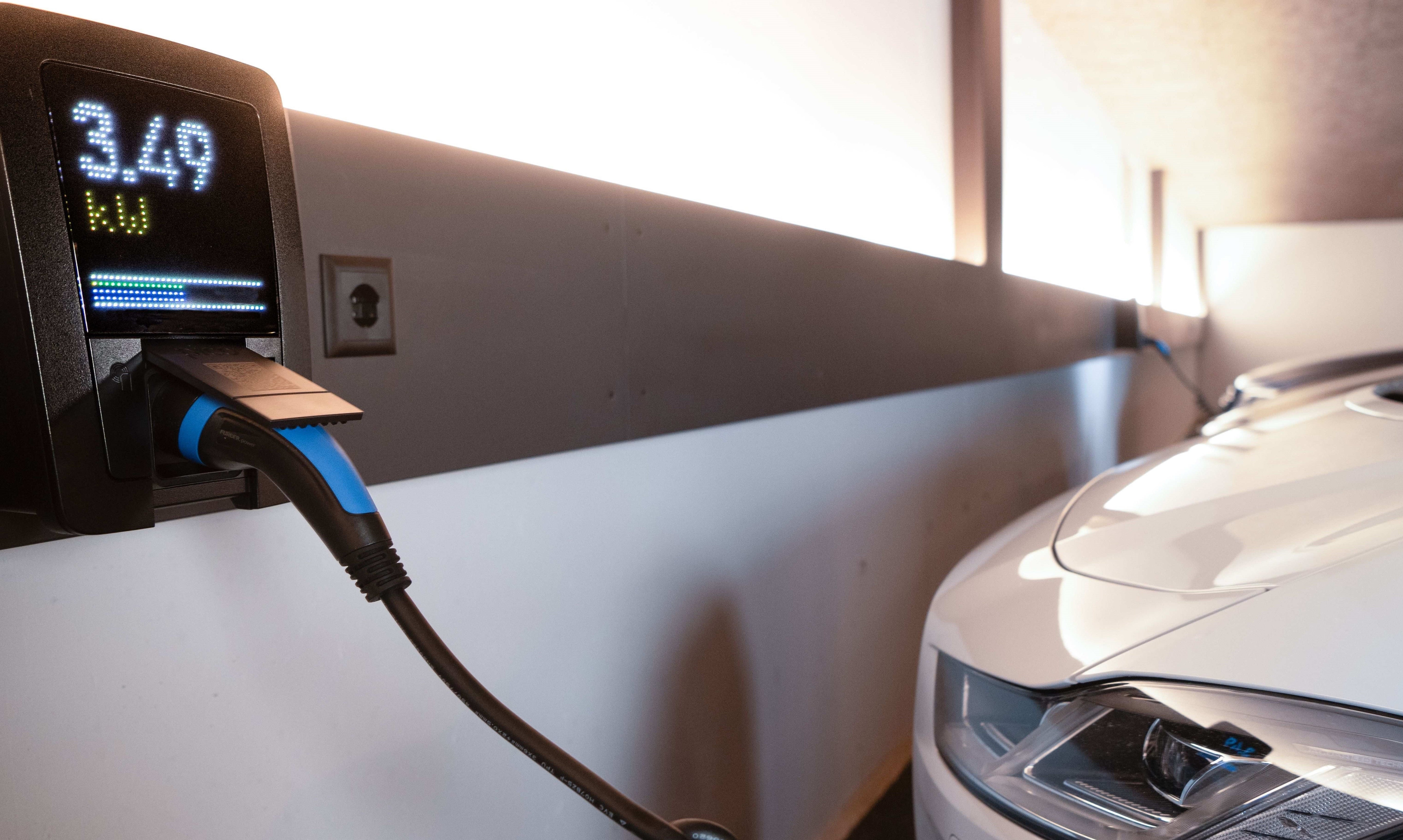
A hotel with EV charging can make a road trip much easier. You arrive, plug in, and start the next morning with more range. At least, that is the ideal situation.
What Does “EV Charging Available” Actually Mean?
Not every hotel or vacation rental uses this label in the same way.
One property may have several Level 2 chargers in its parking lot. Another may have a Tesla Destination Charger. Some listings refer to a public station nearby rather than a charger on the property.
At a vacation rental, “EV charging” may mean nothing more than access to a regular household outlet. That can still be useful, but it will provide much slower charging than a dedicated Level 2 unit.
Do not rely only on the charger icon shown on a booking page. Check the property description and recent guest reviews. If the details are still unclear, contact the hotel or host directly.
Questions to Ask Before Booking
The best time to learn about a charger is before you reserve the room. These six questions will give you a much clearer picture of what is available.
1. What Connector Does the Charger Use?
Ask whether the property has a J1772, NACS, or another type of connector. A charger that does not work with your vehicle will not be helpful unless you have the correct adapter.
If the staff cannot name the connector, ask for the charger brand or a photo. This is often easier than trying to explain connector types over the phone.
You should also confirm whether the charger is a dedicated charging station or simply an electrical outlet.
2. How Many Charging Spaces Are Available?
A hotel may advertise EV charging even if it has only one charging space.
The number matters, especially at a large hotel or during a busy travel period. Ask how many chargers are available and whether more than one vehicle can charge at the same time.
Guest reviews can also reveal whether the chargers are often occupied, blocked, or out of service.
3. Can You Reserve a Charging Space?
Some hotels allow guests to request a charging space when booking. Others treat the chargers as first come, first served.
Even when reservations are available, find out whether the hotel holds the space or simply adds the request to your booking. These are not always the same thing.
Vacation rental guests should also confirm that the parking space next to the charger is included with the property.
4. Is Charging Free?
Charging may be included with the room, billed by the hour, billed by the amount of energy used, or charged as a flat parking fee.
The property may also use a third-party charging network. In that case, you might need to pay through the network’s app instead of the hotel.
Ask about parking charges as well. Free charging may still be located inside a paid garage.
5. How Do Guests Start the Charger?
Some chargers begin working as soon as you plug in. Others require a room key, access card, mobile app, or help from the front desk.
Download any required app before the trip. Creating an account in advance is much easier than doing it late at night in a parking garage with a weak signal.
For a vacation rental, ask whether the charger is shared with the owner, another rental unit, or other residents.
6. Can the Vehicle Stay Plugged In Overnight?
A charger may be available around the clock, but the parking area may not be. Gates, valet hours, garage rules, or charging time limits can all affect overnight use.
Ask whether the vehicle can remain in the space after charging is complete. Some properties expect guests to move their cars so another driver can plug in.
These details matter if you plan to arrive late or leave early the next morning.
What If the Property Only Offers an Outlet?
Some vacation rentals and smaller hotels do not have a charging station but may allow guests to use an electrical outlet.
Before planning around that outlet, ask the host or hotel for permission. Confirm the outlet type, voltage, location, and distance from the parking space. A clear photo can help you see whether it matches your equipment.
The outlet should be in good condition and suitable for a long charging session. Do not use one that is loose, cracked, burned, or discolored. The charging cable should also reach the vehicle without crossing a walkway or creating a trip hazard.
If the property confirms that a compatible outlet is available, bringing a portable EV charger may give you another way to charge overnight.
Keep your expectations realistic. A regular household outlet adds range slowly. It may cover the next day’s local driving, but it may not fully recharge a large battery overnight.
Plan Around the Time You Have
Hotel charging is often most useful when the car will already be parked for several hours. You do not always need to reach 100% before leaving.
Check how much range you need for the next part of the trip. If the hotel charger can add that amount overnight, there may be no reason to wait for a full battery.
When chargers are shared, move the vehicle after it has enough charge if the property asks guests to do so. This gives other drivers a chance to use the space.
Most importantly, do not arrive with only a few miles remaining. The hotel charger may be occupied or unavailable, even if you confirmed it earlier.
Save a Backup Charging Station
Treat hotel charging as a useful option, not the only option.
Before the trip, save at least one nearby Level 2 station and one DC fast charger. Check their connector types, opening hours, prices, and recent driver reports.
Drivers can also use PlugShare to find nearby charging stations and check recent user feedback, while A Better Routeplanner (ABRP) is useful for planning longer EV trips and charging stops.
Keep enough battery to reach the backup station if the charger at the property does not work. This small range buffer can prevent an unavailable hotel charger from turning into a long delay.
A property that offers EV charging can be a great place to stay, but the charger icon alone is not enough. Confirm the connector, access rules, cost, and availability before booking. A short message or phone call can save far more time than discovering the problem after you arrive.


Share:
Why Does My EV Charger Keep Tripping the Breaker?
Used EV Charging Checklist Before Purchase