





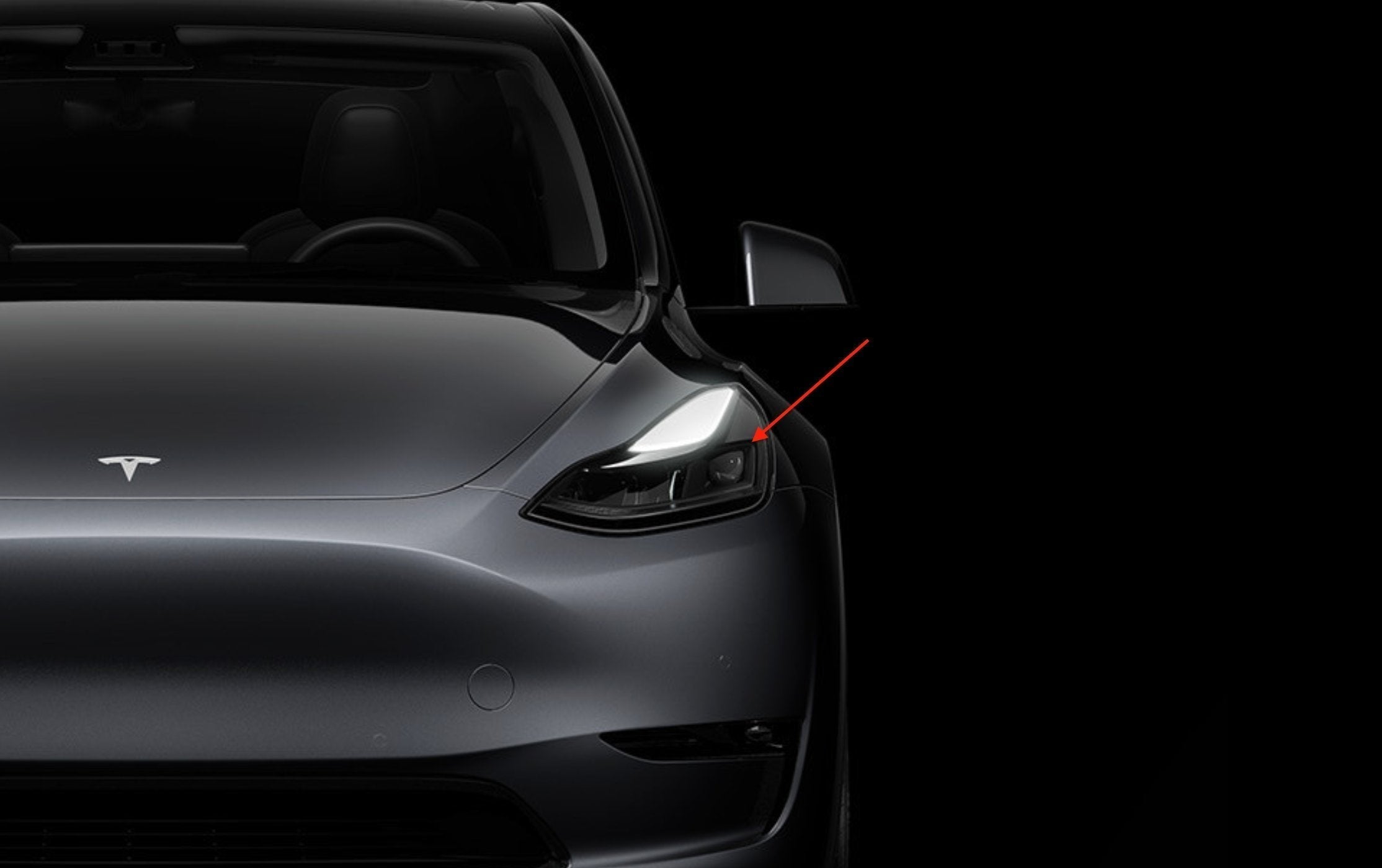
Tesla has been instructed to correct headlight systems that exceed U.S. brightness requirements after federal regulators rejected the company's request to avoid a recall. At the same time, lawmakers are considering new standards that could tighten headlight brightness rules for the entire auto industry.

Regulators Reject Tesla's Request
A long-running dispute over Tesla's headlight compliance has reached a new stage after U.S. safety regulators declined the automaker's request to dismiss the issue.
The case involves approximately 20,000 Tesla Model 3 and Model Y vehicles equipped with headlights that exceeded federal brightness limits in specific sections of the beam pattern. According to regulatory documents, some measurements surpassed the maximum permitted intensity by a significant margin.
Tesla had previously argued that the issue did not create a meaningful safety concern and sought approval to avoid issuing a recall. However, regulators determined that the company must correct the problem, requiring Tesla to provide a remedy for affected vehicles.
The Issue Centers on Beam Intensity
The dispute is not about whether Tesla's headlights function properly, but whether portions of the light beam exceed limits established under Federal Motor Vehicle Safety Standards (FMVSS).
Current U.S. regulations specify maximum light intensity in designated zones within the headlight beam to reduce glare for approaching drivers. If those limits are exceeded, even in localized areas, the lighting system may fail to comply with federal safety requirements.
Because excessive glare can reduce visibility for oncoming traffic, regulators concluded that the issue could not be considered insignificant despite Tesla's argument that the defect had little practical impact.
The decision places Tesla alongside other manufacturers that have also been required to address lighting systems that failed to meet federal standards.
Headlight Glare Has Become a Growing Safety Concern
Complaints about overly bright headlights have become increasingly common as modern vehicles adopt more powerful LED lighting technology.
Drivers frequently report temporary vision impairment when meeting vehicles equipped with high-output lighting systems, particularly on two-lane roads at night. In some cases, glare results from improperly adjusted headlights or aftermarket modifications, while in others it originates from factory-installed systems that remain within—or close to—the limits of current regulations.
The rapid adoption of brighter LED headlights has intensified public debate over whether existing rules adequately balance driver visibility with the need to minimize glare for other road users.
New Technology Is Changing Headlight Design
Recent regulatory changes have already begun reshaping vehicle lighting systems in the United States.
One notable development is the legalization of adaptive driving beam (ADB) technology. Unlike traditional high and low beams, adaptive systems automatically adjust portions of the light pattern, allowing drivers to maintain strong roadway illumination while selectively reducing glare for approaching vehicles.
Manufacturers view adaptive lighting as a way to improve nighttime visibility without increasing discomfort for other drivers. As more vehicles adopt the technology, it may help address some of the concerns associated with increasingly powerful LED headlights.
Recommend Reading: Tesla Sales Recover in California


Share:
Tesla Sales Recover in California
U.S. Senate Bill Targets Foreign Auto Ownership