





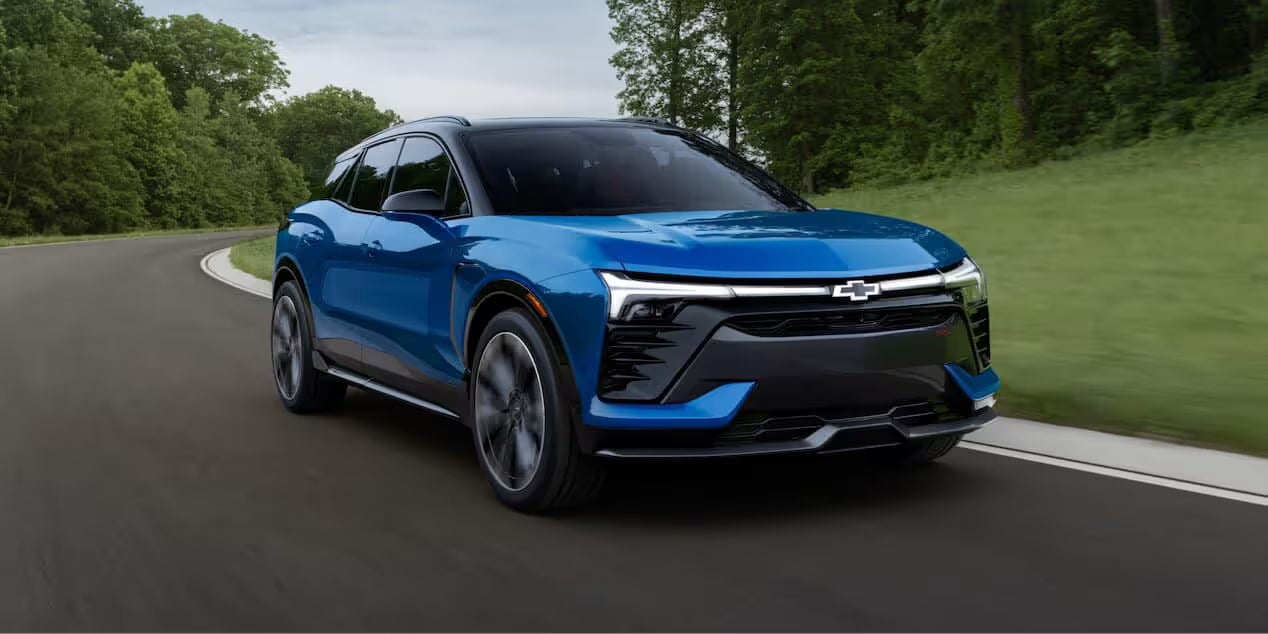
A Record Month for Pre-Owned EVs
The U.S. market for secondhand electric vehicles reached a new high in March, even as new EV sales continue to face headwinds. Fresh industry data indicates that 42,924 used electric cars were purchased during the month, marking the strongest performance on record.
This milestone is particularly notable because it surpasses the previous peak set during a period when government incentives were still in place. The fact that demand has rebounded so quickly—despite the removal of federal subsidies—suggests a shift in how consumers are approaching electric mobility.

Moving Beyond the Incentive-Driven Market
The end of federal support programs in late 2025 had an immediate impact on EV purchasing patterns. Previously, buyers could access financial assistance of up to $4,000 for qualifying pre-owned vehicles priced below $25,000, provided income requirements were met.
During the final months before the program expired, many consumers rushed to take advantage of these incentives. Sales volumes during that period reflected this urgency. However, the latest figures indicate that the market is stabilizing without relying on subsidies.
Compared with the months immediately following the policy change—when sales hovered around 30,000 units per month—March represents a significant recovery. Year-over-year growth reached 27.7%, highlighting sustained interest even in the absence of government support.
A Growing Gap Between New and Used EV Sales
While the pre-owned segment is expanding, the same cannot be said for new electric vehicles. The removal of the $7,500 tax credit for new EVs has had a much sharper effect on demand.
Although approximately 83,000 new EVs were sold in March, representing a modest increase from the previous month, the broader trend remains negative. Compared with the same period last year, new EV sales declined by nearly 25%, and overall performance has yet to return to earlier levels.
This divergence highlights a key shift in consumer behavior. Buyers appear increasingly sensitive to upfront costs, making lower-priced used options more attractive.
Supply Dynamics Favor the Used Market
One of the main drivers behind the rise in used EV sales is availability. A large number of electric vehicles leased over the past few years are now being returned to dealerships, creating a steady influx of relatively new inventory.
These vehicles—often just two to three years old—typically feature modern battery technology and competitive driving ranges. As a result, buyers can access advanced EV capabilities at a fraction of the original purchase price.
At the same time, automakers have scaled back their electric vehicle portfolios, shifting attention toward traditional powertrains. This has limited the number of new EV models entering the market, further strengthening the appeal of pre-owned options.
Fuel Prices Add to the Momentum
Another factor contributing to the surge is the continued rise in gasoline prices. Elevated fuel costs are prompting consumers to reconsider long-term operating expenses, making electric vehicles a more compelling alternative.
Industry analysts note that this external pressure is playing a meaningful role in shaping purchasing decisions. While price sensitivity remains a barrier for new EV adoption, the lower entry point of used vehicles allows more buyers to make the transition.
Looking Ahead: Continued Growth Expected
The outlook for the used EV segment remains strong. Market projections suggest that more than one million electric vehicles will come off lease over the next two years, significantly expanding the pool of available inventory.
This influx is expected to keep prices competitive and selection broad, reinforcing the segment’s position as a key growth area within the broader EV market.
At the same time, if fuel prices remain elevated, consumer interest is likely to stay high. Combined with improving supply conditions, these factors point to continued momentum for pre-owned electric vehicles in the near term.

A Shift in Market Leadership
The recent data underscores a broader transformation within the electric vehicle landscape. While new EV sales are struggling to regain traction, the used market is emerging as a primary driver of growth.
For many consumers, affordability and availability now outweigh the appeal of purchasing brand-new models. As a result, the center of gravity in the EV market may continue shifting toward pre-owned vehicles—at least until new supply and pricing dynamics improve.
Recommend Reading: New EV Market Falters While Used Electric Cars Gain Momentum










Share:
Why Rising Fuel Costs Are Driving EV Sales Globally—but Not in the U.S.
How BMW iX3 Redesigns In-Car Displays and Controls