





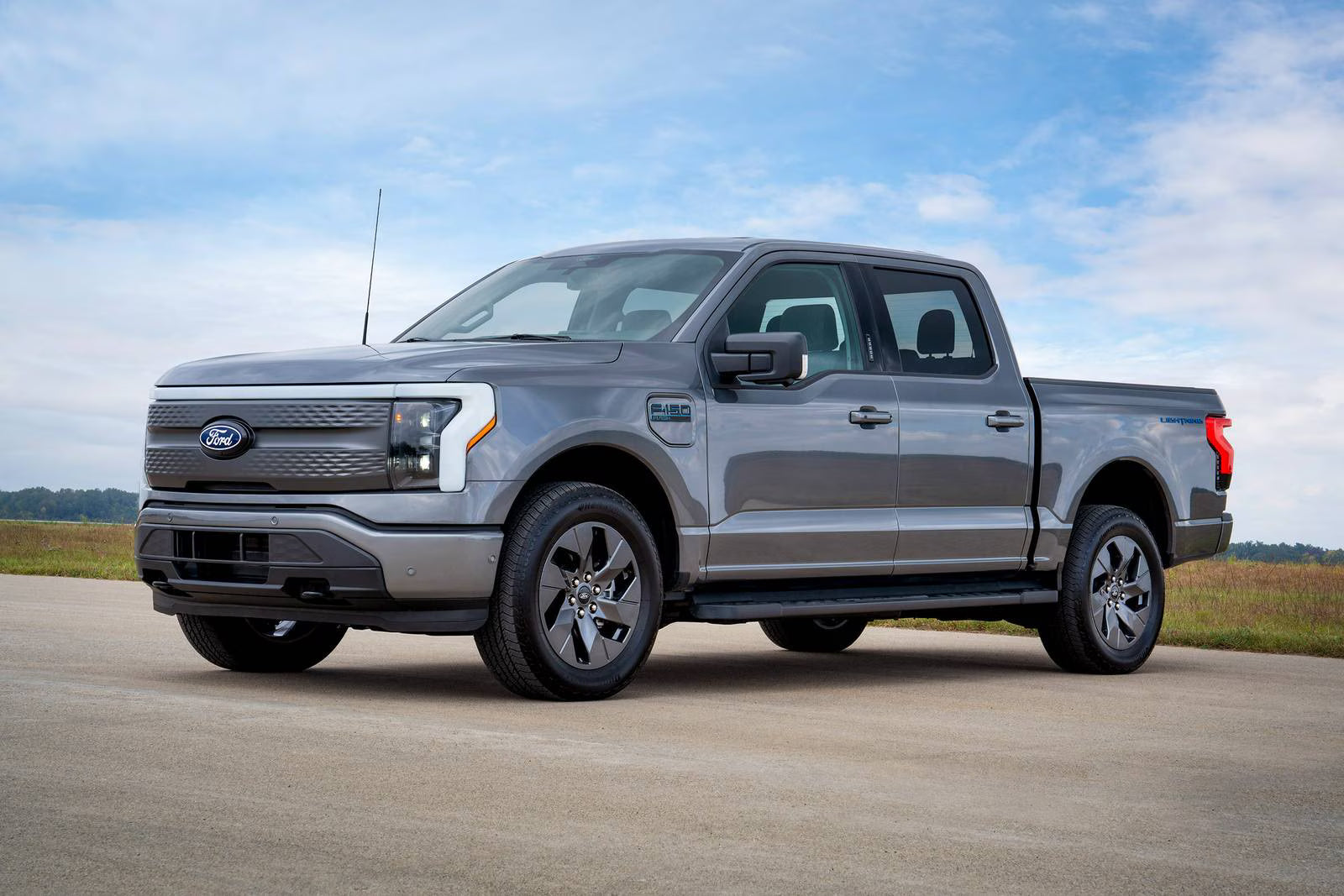
California's new EV rebate will only apply to selected automakers and qualifying vehicles. Buyers can receive up to $3,500 toward a new EV or $1,750 for an eligible used model, but participation depends on both vehicle pricing and manufacturer enrollment in the program.

California Introduces a New Purchase Incentive
California is launching a revised electric vehicle incentive program after the federal EV tax credit ended. Rather than replacing the previous federal benefit dollar for dollar, the state has created a more targeted rebate designed to support lower-priced electric vehicles.
Under the new plan, buyers can receive an instant rebate of up to $3,500 when purchasing a qualifying new EV. Eligible used electric vehicles can receive rebates of up to $1,750. Unlike traditional tax credits, the discount will be applied directly at the dealership during the purchase process, reducing the vehicle's price immediately.
To qualify, most new EVs must carry a manufacturer's suggested retail price below $50,000, while used vehicles must be priced below $25,000. California-based manufacturers Lucid and Rivian are exempt from the new-vehicle price cap, giving their products additional flexibility under the program.
Thirteen Automakers Have Joined the Program
The state has confirmed that 13 automakers will participate in the rebate initiative during its initial rollout.
The participating manufacturers include:
- Ford
- General Motors
- Honda
- Hyundai
- Kia
- Lucid
- Mitsubishi
- Nissan
- Rivian
- Subaru
- Tesla
- Toyota
- Volvo
Participation is voluntary because manufacturers are expected to contribute funding that matches part of the state's incentive. As a result, not every company selling electric vehicles in the U.S. has chosen to join.
Several Well-Known EV Brands Are Missing
A number of premium manufacturers are absent from the approved list, including BMW, Mercedes-Benz, Audi, Volkswagen, Jeep, Dodge, and Maserati.
One reason is pricing. Many of these brands primarily sell electric models that exceed California's $50,000 eligibility threshold, making participation less beneficial. Even manufacturers with vehicles priced close to the limit may see relatively few qualifying configurations once optional equipment is added.
As a result, the rebate program is largely focused on mainstream brands that already compete in the entry-level and mid-priced EV segments.
Participation Doesn't Always Mean Eligible Vehicles
Joining the program does not automatically mean a manufacturer currently has an electric vehicle that qualifies for the rebate.
For example, Honda remains on the participant list even though the Prologue is scheduled to end production after the 2026 model year, leaving the company without a battery-electric vehicle available for sale in the U.S.
Similarly, Volvo is participating despite the cancellation of the EX30. At present, Volvo's remaining electric models are generally priced above the standard eligibility limit, although the company is expected to introduce more affordable EVs in the future.
These examples suggest that some manufacturers may be preparing for upcoming product launches rather than relying solely on their current lineups.







Share:
Honda Ends Prologue Sales After 2026
Pilot EV Charging Network Reaches 300 Sites