


Canada is preparing to welcome another Chinese electric vehicle brand, while the U.S. market remains largely closed to these lower-cost models. Dongfeng plans to begin selling its first EVs in Canada in 2027, expanding affordable choices for Canadian buyers as competition among Chinese automakers continues to grow.

An orange Hyundai VIVO compact SUV with black trim and multi-spoke alloy wheels, shown from a three-quarter front angle against a light gray studio background.

Canada Continues Opening Its EV Market

Canada is becoming an increasingly important destination for Chinese electric vehicle manufacturers. Following announcements from brands such as BYD, Chery, and Geely, Dongfeng Motor has now confirmed plans to launch passenger vehicles in the Canadian market.

The expansion comes after a revised trade framework significantly lowered Canada's tariff on qualifying Chinese-built vehicles. Under the agreement, eligible imports can enter with a 6.1% tariff, replacing the previous 100% duty for a limited annual volume through 2027. The policy is designed to increase competition and improve access to more affordable electric vehicles.

For consumers, that means a wider selection of EVs across multiple price points. For automakers, Canada has become one of the few North American markets where Chinese brands see realistic opportunities for growth.


Dongfeng Targets a 2027 Market Entry

This week, Dongfeng introduced its product lineup to Canadian automotive media and industry representatives during a showcase event held in Montreal.

Company representatives indicated that sales are expected to begin in 2027, with local homologation already underway. The automaker is also establishing its Canadian business network, including a dedicated Canadian website and efforts to recruit dealership partners across the country.

Rather than launching a single flagship model, Dongfeng used the event to demonstrate the breadth of its global portfolio. The display included products from both the core Dongfeng brand and its premium Voyah division, highlighting vehicles across several market segments.

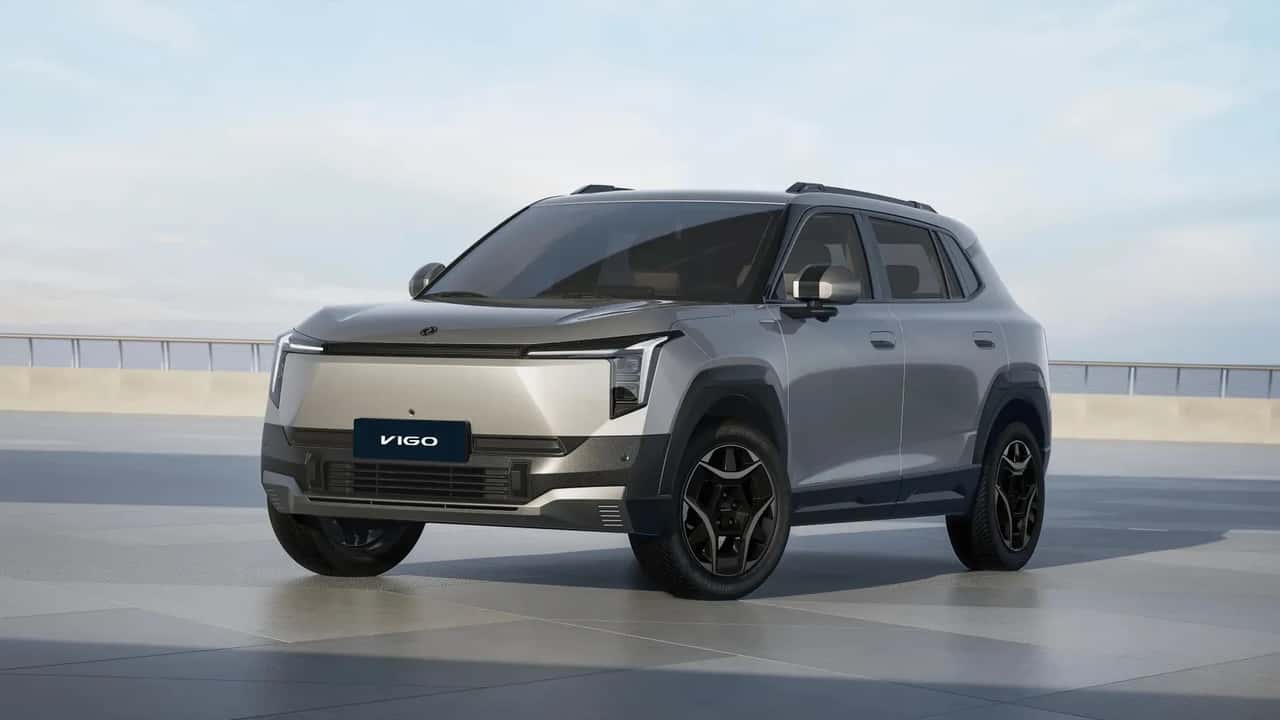
Among the models presented were the Voyah Dream luxury van, the Voyah Free extended-range crossover, the Dongfeng Eπ 007 electric and extended-range sedan, the Eπ 008 SUV, the rugged M Hero 817 plug-in hybrid SUV, the compact Nammi Box, and the Vigo electric crossover.


Two Compact EVs Will Lead the Launch

Although Dongfeng displayed a diverse lineup, the company's Canadian rollout will begin with two entry-level electric vehicles: the Nammi Box and the Vigo.

According to Dongfeng's Canadian distribution partner, both vehicles are progressing through Canadian certification before their planned launch.

The Nammi Box is a small hatchback designed primarily for urban transportation. It features a 94-horsepower front-mounted electric motor paired with a battery pack of up to 42.3 kWh, delivering an estimated 196 miles (WLTP) of driving range.

The slightly larger Vigo targets buyers seeking a compact crossover. It produces approximately 181 horsepower and uses a battery of up to 51.87 kWh, providing a projected 211-mile (WLTP) driving range. Like the Box, it uses a front-wheel-drive layout intended to maximize efficiency and affordability.


Affordability Is the Main Selling Point

Performance and luxury are not Dongfeng's primary focus with these first Canadian models. Instead, the company is aiming directly at buyers looking for practical electric transportation at a significantly lower purchase price.

While domestic Chinese pricing cannot be directly compared with overseas markets because of shipping costs, taxes, certification requirements, and local regulations, both vehicles sell for well below $13,000 in China.

For Canada, Dongfeng's distribution partner has indicated a target price below CAD $35,000, placing both models among the country's most affordable new electric vehicles if pricing remains close to that goal. Such positioning could attract first-time EV buyers who have been discouraged by the higher prices of many existing electric models.


Canada's EV Market Is Becoming More Competitive

Dongfeng is entering Canada at a time when competition among Chinese automakers is accelerating. Several manufacturers have already announced plans to expand into the country, creating an increasingly crowded marketplace for affordable electric vehicles.

Brands including BYD, Geely, and Chery are all pursuing Canadian customers, while Tesla has also resumed importing certain Shanghai-built vehicles into Canada. As more companies compete within similar price ranges, consumers are likely to benefit from greater product variety and stronger pricing pressure.

However, the opportunity is not unlimited. Demand for affordable EVs is growing, but dealership networks, brand recognition, and market share remain finite. Automakers that establish reliable service networks and competitive pricing early may gain a significant advantage over later entrants.


Lower Prices Could Expand EV Adoption

Dongfeng's strategy highlights an important trend in Canada's evolving EV market: affordability is becoming just as important as technology.

Many electric vehicles currently available in North America remain priced beyond the reach of average buyers. Compact models such as the Nammi Box and Vigo are designed to lower that barrier by offering practical daily transportation rather than premium features or high performance.

If Dongfeng succeeds in keeping prices below CAD $35,000, these vehicles could appeal to first-time EV buyers, urban commuters, and households seeking an economical second vehicle. Greater availability of lower-cost options may also encourage broader adoption of electric transportation across Canada.

Whether every new Chinese brand succeeds remains uncertain, but increased competition is expected to improve consumer choice and place additional pressure on established automakers to offer more affordable EVs.


Why U.S. Buyers Still Can't Access These Models

Although Canada is opening its market to more Chinese-built EVs, the situation remains very different in the United States.

High import tariffs and trade policies continue to limit the entry of Chinese passenger vehicles into the U.S. As a result, models like the Nammi Box and Vigo are unlikely to reach American dealerships in the near future despite their competitive pricing.

This creates a growing contrast between the two neighboring markets. Canadian consumers may soon have access to a broader range of budget-friendly EVs, while U.S. buyers continue to rely primarily on vehicles produced by domestic manufacturers or established global brands.

How each market develops will depend on future trade policy, consumer demand, and the pace at which automakers expand their North American operations.

A bright lime green compact hatchback car with a white roof, shown driving on a city street. The front grille features the 'BOX' logo, indicating the brand.

FAQ

Why is Dongfeng launching EVs in Canada instead of the United States?

Canada currently offers a more favorable trade environment for qualifying Chinese-built electric vehicles. U.S. import tariffs remain significantly higher, making market entry far more difficult for Chinese automakers.

Which Dongfeng models will arrive first in Canada?

Dongfeng plans to begin with the Nammi Box hatchback and the Vigo compact crossover. Both vehicles are currently undergoing Canadian certification before their expected 2027 launch.

How much could Dongfeng's EVs cost in Canada?

The company's Canadian distributor has indicated a target starting price below CAD $35,000. Final pricing has not been announced, but the vehicles are expected to compete in the affordable EV segment.

What driving range do the first two models offer?

The Nammi Box is rated for up to 196 miles (WLTP), while the Vigo offers an estimated 211 miles (WLTP). Actual driving range will vary depending on testing standards and real-world conditions.

Will more Chinese EV brands enter Canada?

Yes. Several manufacturers, including BYD, Chery, and Geely, have already announced Canadian expansion plans. The market is expected to become increasingly competitive as more affordable electric vehicles arrive.

Recommend Reading: Is Canada Considering EV Production Partnerships With China?

You Might Be Interested