





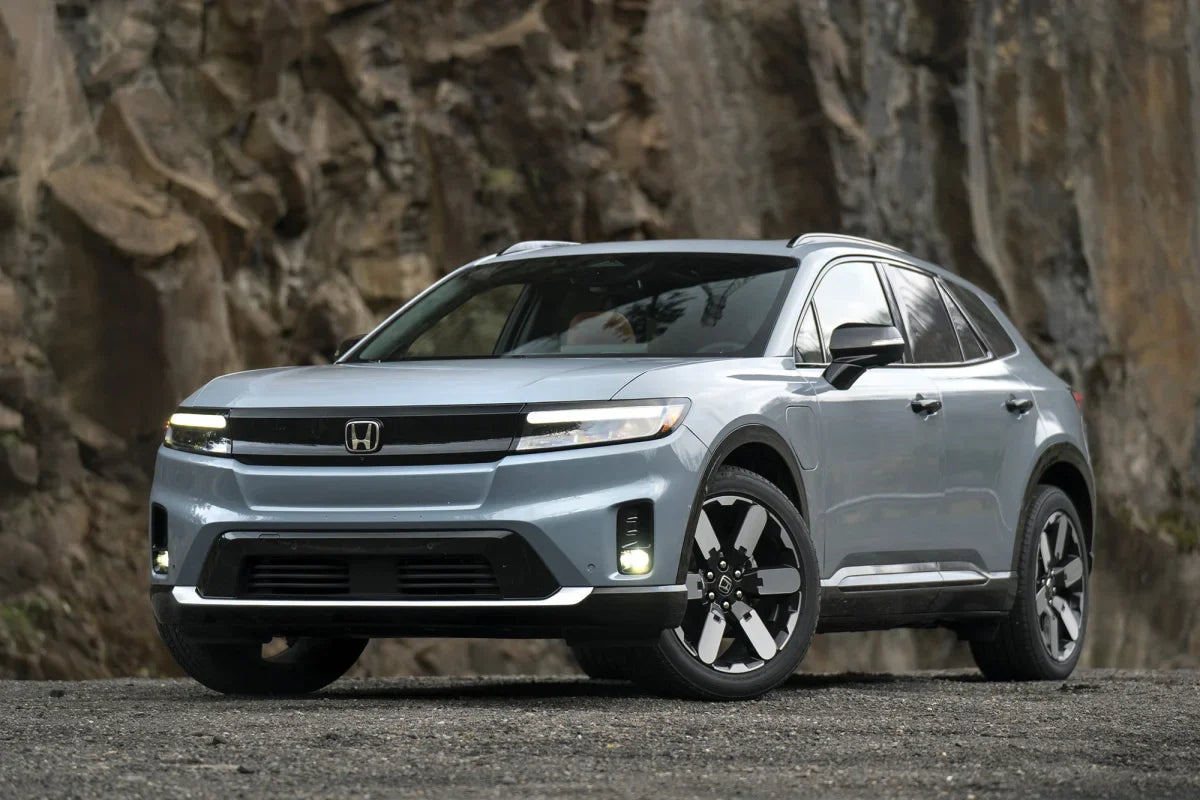
Honda is preparing to exit the U.S. battery-electric vehicle market for now. The company has confirmed that the Honda Prologue will be discontinued after the 2026 model year, leaving the automaker without a fully electric passenger vehicle in the United States while it shifts its focus toward hybrid models and future EV development.

Honda Is Pausing Its U.S. EV Lineup
Honda has officially confirmed that the Prologue will no longer be sold in the U.S. after the 2026 model year. The decision follows the earlier discontinuation of the Acura ZDX and the cancellation of Honda's next-generation 0 Series electric vehicle program.
According to the automaker, changing consumer demand and evolving market conditions prompted the move. Honda stated that it intends to concentrate resources on products that better match current customer preferences while continuing long-term investment in future electric vehicle technology.
Existing Prologue owners will continue receiving warranty coverage, replacement parts, and dealer service after production ends.
A Changing EV Market Influenced Honda's Decision
Honda's announcement comes during a period of significant changes in the U.S. electric vehicle market.
Following the removal of the federal EV tax credit and the relaxation of several clean-vehicle regulations, demand for battery-electric vehicles has softened compared with previous years. Many established automakers have reassessed their electrification strategies as profitability remains difficult for traditional manufacturers.
Several companies have either postponed, canceled, or discontinued electric models over the past year. While second-quarter EV sales recently showed signs of stabilization, manufacturers continue adjusting product plans to reflect changing market realities.
For Honda, maintaining a limited EV lineup became increasingly difficult under those conditions.
The Prologue Started Strong But Lost Momentum
The decision is notable because the Honda Prologue initially exceeded expectations after its launch.
During its first full year on sale in 2024, Honda delivered more than 33,000 units, making it one of America's best-selling non-Tesla electric vehicles. Strong lease offers and manufacturer incentives helped attract buyers during its launch period.
After the federal purchase incentive expired, Honda reduced pricing by approximately $7,500 to help offset the loss of government support. Even with aggressive pricing, however, the company ultimately determined that continuing the model no longer aligned with its long-term business strategy.
Unlike some competitors that discontinued lower-volume EVs, Honda is eliminating its only electric passenger vehicle currently available in the U.S.
Hybrid Models Become Honda's Immediate Priority
Rather than expanding its battery-electric lineup, Honda says it is redirecting investment toward hybrid technology.
The company believes hybrid vehicles currently represent the strongest opportunity for balancing customer demand, emissions reduction, and financial performance. Honda has emphasized that hybrid development will receive greater attention while preparations continue for future dedicated EV platforms.
At the same time, executives insist the company has not abandoned electrification entirely. Honda says it will continue developing competitive battery-electric hardware so it can respond when market demand strengthens again.
Honda's EV Strategy Has Changed Several Times
Honda's electric vehicle roadmap has undergone multiple revisions over the past several years.
Initially, the company partnered with General Motors, using GM's Ultium platform to develop both the Honda Prologue and Acura ZDX while simultaneously planning a jointly developed affordable EV architecture. That broader collaboration was later abandoned, leaving only the badge-engineered Prologue and ZDX in production.
Earlier this year, Honda also halted development of its dedicated 0 Series platform, which had been expected to introduce a software-focused electric sedan followed by several crossover models. Those cancellations significantly reduced Honda's short-term EV ambitions and reshaped its North American product strategy.
What Comes Next for Honda's EV Business
The biggest difference between Honda and many of its competitors is that this decision leaves the company without a battery-electric vehicle on sale in the U.S.
Earlier this year, Honda also suspended its planned 0 Series EV program, which had been expected to launch a next-generation electric sedan followed by multiple SUVs. The move effectively delayed the company's next dedicated EV platform and raised questions about its long-term product roadmap.
The pause also affected Honda's broader EV ambitions, including projects connected to its partnership with Sony on the Afeela brand, as resources shifted toward improving profitability.
Honda maintains that this is not a permanent withdrawal from the EV market. Instead, executives describe the strategy as a temporary reallocation of investment toward hybrids while continuing research on future electric vehicle technologies.
Honda Faces a Risk If EV Demand Accelerates Again
Although today's market has become more challenging for battery-electric vehicles, industry analysts generally expect EV adoption to continue expanding over the long term.
That creates a potential challenge for Honda. Without a production EV available in the U.S., the company could find itself behind competitors if consumer demand rebounds faster than anticipated.
Honda argues that delaying large investments today reduces financial risk during an uncertain market cycle. However, rebuilding an EV lineup later may prove more difficult if rivals continue launching new products and strengthening their market positions.
Whether this cautious strategy ultimately pays off will largely depend on how quickly the U.S. EV market recovers over the next several years.

FAQ
Why is Honda discontinuing the Prologue?
Honda says changing customer demand, shifting market conditions, and its long-term business priorities led to the decision. The company is redirecting resources toward hybrid vehicles while continuing to develop future EV technology.
Will Honda still sell any electric vehicles in the United States?
No. After the 2026 Honda Prologue leaves production, Honda will no longer offer a fully electric passenger vehicle in the U.S. market.
What happens to current Honda Prologue owners?
Honda has confirmed that Prologue customers will continue receiving dealer support, including maintenance services, warranty coverage, and replacement parts after production ends.
Why did Honda change its EV strategy?
The company has faced a more difficult EV market following the end of federal purchase incentives and weaker-than-expected demand. Honda believes prioritizing hybrids currently offers a better balance between profitability and customer needs.
Could Honda launch new EVs again in the future?
Yes. Honda says it remains committed to developing a competitive dedicated EV platform. While current product plans have been delayed, the company intends to re-enter the EV market when conditions better support long-term growth.
Recommend Reading: Honda Shifts Focus Back to Hybrid Vehicles







Share:
Slate Truck Final Price Now Confirmed