





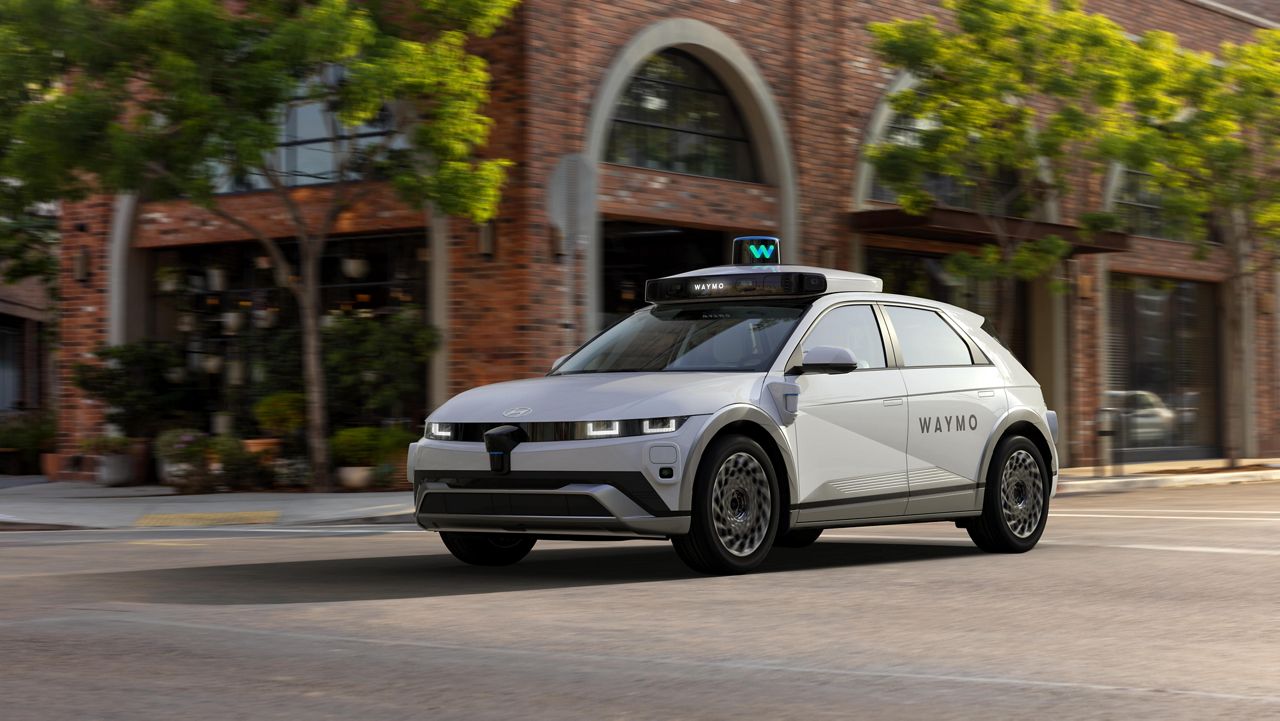
Electric vehicles do not require a traditional engine start process, so a start/stop button is technically unnecessary. However, many automakers continue to include one because it helps new EV drivers feel more comfortable and provides a familiar transition from gasoline-powered vehicles.
Electric cars have already changed many long-standing automotive conventions. They eliminate engine noise, conventional transmissions, and fuel stops. Yet one feature has surprisingly survived in many models: the start button. While some manufacturers have removed it entirely, others still consider it an important part of the driving experience. The question is no longer whether EVs can function without it—they clearly can—but whether drivers are ready to leave it behind.
Why Traditional Cars Need a Start Button
In vehicles powered by gasoline or diesel engines, the start button—or ignition key—serves an obvious purpose. It activates the starter motor, ignites the engine, and brings all major systems online before the vehicle can move.
An electric vehicle operates differently. The traction motor is always ready once the battery management system and vehicle electronics are active. There is no engine to crank, no idle speed to establish, and no warm-up process before driving.
Because of this, many engineers argue that pressing a button before selecting Drive simply adds an unnecessary step.
How Button-Free EVs Simplify Daily Driving
Several manufacturers have already embraced a different philosophy by eliminating the power button altogether.
Instead of asking drivers to "start" the vehicle, these EVs automatically recognize an authorized key or smartphone, wake up when the driver enters, and become ready after the brake pedal is pressed. Once parked, the vehicle powers down automatically when the driver exits and locks the doors.
This approach removes one more routine action from everyday driving. The process feels similar to how modern smartphones, tablets, and laptops operate—they activate when needed and quietly enter standby when no longer in use.
For drivers who regularly use vehicles from brands such as Tesla, Rivian, Lucid, and Polestar, this workflow quickly becomes second nature. Many owners report that returning to vehicles requiring a start button feels surprisingly outdated after adapting to automatic vehicle activation.
Why Legacy Automakers Continue Using Power Buttons
Not every manufacturer has adopted this minimalist approach.
For many traditional automakers, customer familiarity remains a major consideration. The majority of new EV buyers still come from gasoline-powered vehicles, meaning completely redesigning every interaction could create unnecessary confusion during the transition to electric mobility.
A physical start button offers reassurance. It gives drivers a clear indication that the vehicle has entered its operational state and is prepared to move. Even though the underlying technology no longer requires the same sequence, the familiar action helps many customers feel more confident during their first weeks of EV ownership.
This strategy reflects a broader pattern across the automotive industry: introducing new technology while preserving enough familiar elements to make the learning curve less intimidating.
Why Some EVs Still Keep a Start Button
One reason many manufacturers continue using a power button is to make electric vehicles feel less intimidating for people switching from gasoline cars. Research analysts say familiar controls reduce the learning curve, particularly for buyers purchasing their first EV. Instead of asking customers to adapt to an entirely new operating method, automakers often preserve traditional interactions while introducing electric technology.
Several manufacturers have publicly explained this approach. Hyundai says its EVs retain a start button because it clearly indicates when the vehicle has entered its READY state and is prepared to drive. Toyota has expressed a similar view, noting that familiar controls help create a more intuitive ownership experience for customers transitioning from combustion-powered vehicles.
For established brands with millions of loyal customers, gradual change often presents less risk than a complete redesign of the driving experience. While EV-focused companies can rethink long-standing conventions from the ground up, legacy automakers frequently prioritize familiarity alongside innovation.
Practical Benefits of a Physical Power Button
Although removing the button can simplify daily use, keeping it also provides some functional advantages.
For example, drivers may occasionally want the vehicle to remain powered while stepping outside briefly so that climate control continues operating. Some button-free EVs solve this through touchscreen options such as "Keep Climate On," "Pet Mode," or "Camp Mode." Others, including certain Volkswagen electric models, hide a physical power switch on the steering column for situations where manually controlling the vehicle's power state is useful.
A dedicated on/off button can also assist during troubleshooting. Restarting the vehicle after a temporary software issue is often quicker and more straightforward when drivers have a clearly identifiable power control.
These situations may not arise frequently, but they illustrate why some manufacturers still believe a physical switch serves a practical purpose beyond tradition.
A Larger Design Question for the EV Industry
The discussion surrounding start buttons reflects a broader challenge facing electric vehicle design: deciding which legacy features still add value and which exist only because drivers are accustomed to them.
Many automakers continue to recreate familiar combustion-car behaviors even when they are no longer technically necessary. Some electric models simulate gear changes through software. Others generate artificial engine sounds using speakers. Several EVs are programmed to "creep" forward when the brake pedal is released, despite electric motors requiring no idle speed.
These decisions are intended to reduce the adjustment period for new EV owners, but they also raise questions about whether manufacturers should fully embrace the possibilities offered by electric drivetrains instead of replicating gasoline-car behavior.
At the same time, recent history demonstrates that removing familiar controls can backfire. Tesla's decision to eliminate the turn-signal stalk from the refreshed Model 3 generated widespread criticism from customers. The company later reversed course on subsequent updates, illustrating that innovation must be balanced with usability.
As EV technology matures, automakers will likely continue evaluating which traditional controls deserve to remain. The start button may eventually disappear from most electric vehicles, but for now it represents an example of manufacturers balancing modern engineering with customer expectations.
 FAQ
FAQ
Why don't electric vehicles technically need a start button?
Unlike gasoline vehicles, EVs do not require an engine to be started before driving. Once the driver is authenticated and the vehicle systems are active, the electric motor is immediately ready to provide power.
Why do many automakers still include a start/stop button?
Many manufacturers believe familiar controls make the transition from gasoline vehicles easier for first-time EV buyers. A physical button also provides a clear indication that the vehicle is ready to drive.
Which EV brands have removed the start button?
Several electric-focused manufacturers—including Tesla, Rivian, Lucid, and Polestar—allow drivers to simply enter the vehicle, press the brake pedal, select a gear, and drive away without pressing a power button.
Are there benefits to keeping a physical power button?
Yes. A dedicated button can simplify restarting vehicle systems, allow drivers to intentionally keep the vehicle powered while parked, and provide a familiar control that many owners already understand.
Will start buttons disappear from future EVs?
Possibly. As more consumers become comfortable with electric vehicles, manufacturers may gradually remove unnecessary controls. However, companies will likely continue balancing simplicity with customer familiarity before making that transition.
Recommend Reading: Rivian AI Assistant Starts Rolling Out










Share:
Florida EV Charger Funds Face New Proposal