





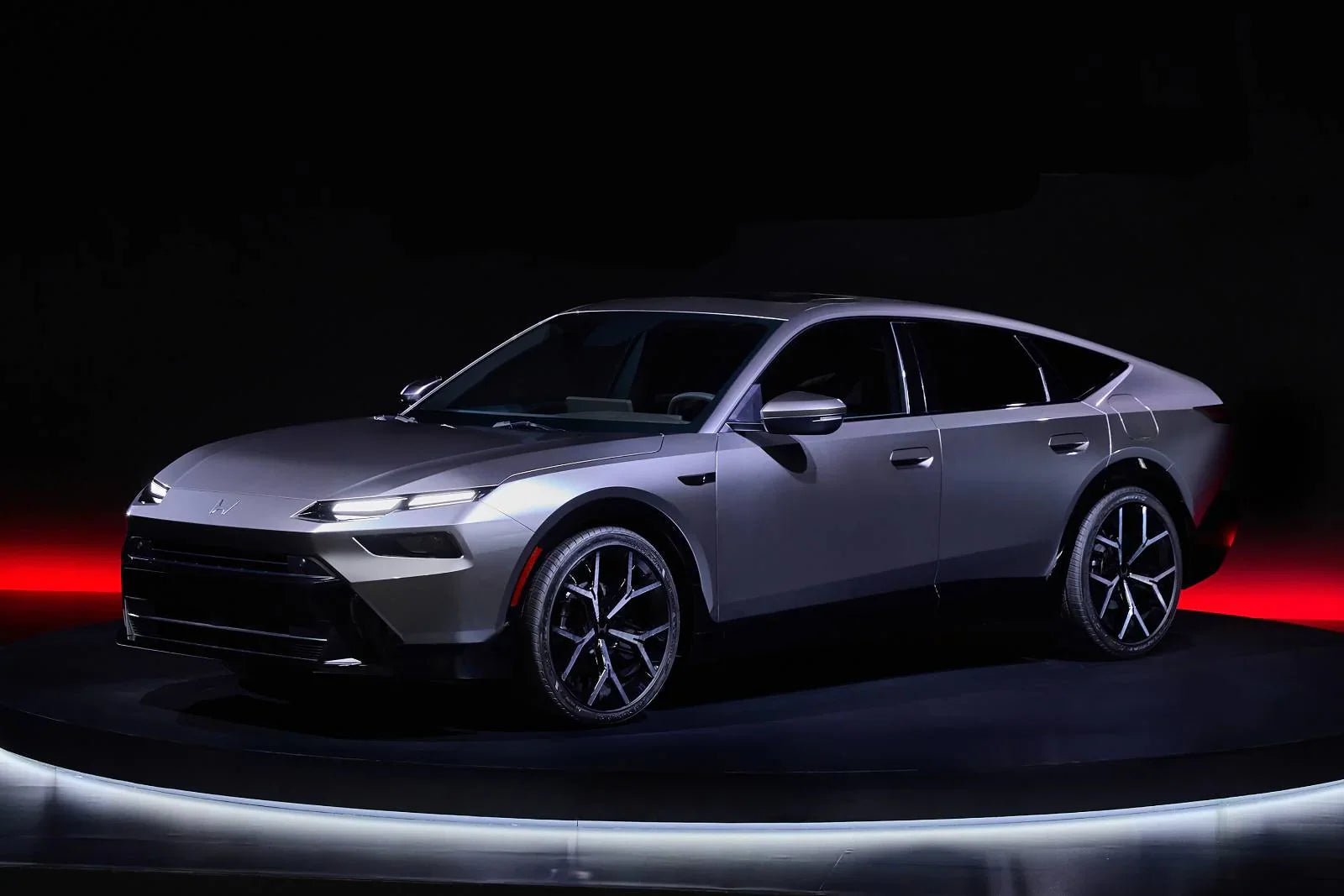
Owners of battery-electric vehicles report higher overall satisfaction than drivers of gasoline, diesel, or hybrid models, according to a new 2026 J.D. Power APEAL Study. The research also shows that owner enthusiasm for EVs has continued to increase as the technology becomes more widely adopted.

Electric Vehicles Lead Overall Owner Satisfaction
The latest 2026 Automotive Performance, Execution and Layout (APEAL) Study from J.D. Power found that battery-electric vehicles outperform other powertrain types in overall owner satisfaction during the first months of ownership.
Using a 1,000-point evaluation system, electric vehicles received an average score of 910, while vehicles powered by internal combustion engines—including gasoline, diesel, and hybrid models—recorded an average of 850.
Rather than measuring long-term reliability or maintenance costs, the APEAL study focuses on owners' emotional connection with their new vehicles. Participants evaluate how enjoyable, comfortable, and rewarding their vehicles feel during the first 90 days after delivery.
The latest results suggest that EV owners continue to report a stronger overall ownership experience despite increasing competition across all vehicle segments.
Driving Experience Creates the Largest Gap
One of the biggest differences between electric vehicles and conventional models appeared in the area of powertrain satisfaction.
According to the study, EVs scored 109 points higher than internal combustion vehicles in the powertrain category, making it the largest performance gap among all measured attributes.
Several characteristics commonly associated with electric vehicles likely contribute to these results. Instant torque delivery, smooth acceleration, quiet cabin operation, and the absence of traditional gear changes create a driving experience that differs significantly from many gasoline-powered vehicles.
Beyond propulsion, battery-electric models also received stronger evaluations in several additional categories, including vehicle startup, ease of entry and exit, ride comfort, overall driving feel, interior design, infotainment systems, and energy efficiency.
The consistent advantage across multiple categories indicates that owner satisfaction is influenced by the overall driving experience rather than a single vehicle feature.
EV Satisfaction Continues to Improve
The study also found that customer satisfaction increased across every major powertrain category compared with the previous year.
However, battery-electric vehicles recorded the largest annual improvement, with average scores rising by 22 points year over year.
The increase coincides with several ongoing improvements across the EV market. More widespread adoption of the North American Charging Standard (NACS), longer driving ranges, expanding charging infrastructure, and broader use of technologies such as heat pumps have gradually improved day-to-day ownership for many drivers.
As manufacturers continue refining both vehicle hardware and software, many of the practical concerns that previously discouraged EV buyers have become less significant than they were only a few years ago.
Results Reflect a Broader EV Customer Base
The continued rise in satisfaction is particularly notable because today's EV market includes far more first-time electric vehicle buyers than in previous years.
Early adopters were generally more willing to accept charging limitations and developing technology. As EV sales expanded into the mainstream market, many analysts expected customer enthusiasm to moderate as buyers with more conventional expectations entered the segment.
Instead, the latest survey suggests that newer EV owners continue to report highly positive experiences. Despite ongoing discussions surrounding public charging availability and infrastructure, overall satisfaction remains strong, indicating that many customers believe the advantages of electric driving outweigh the remaining challenges during everyday ownership.







Share:
Tesla FSD Subscribers Reach 1.5 Million