



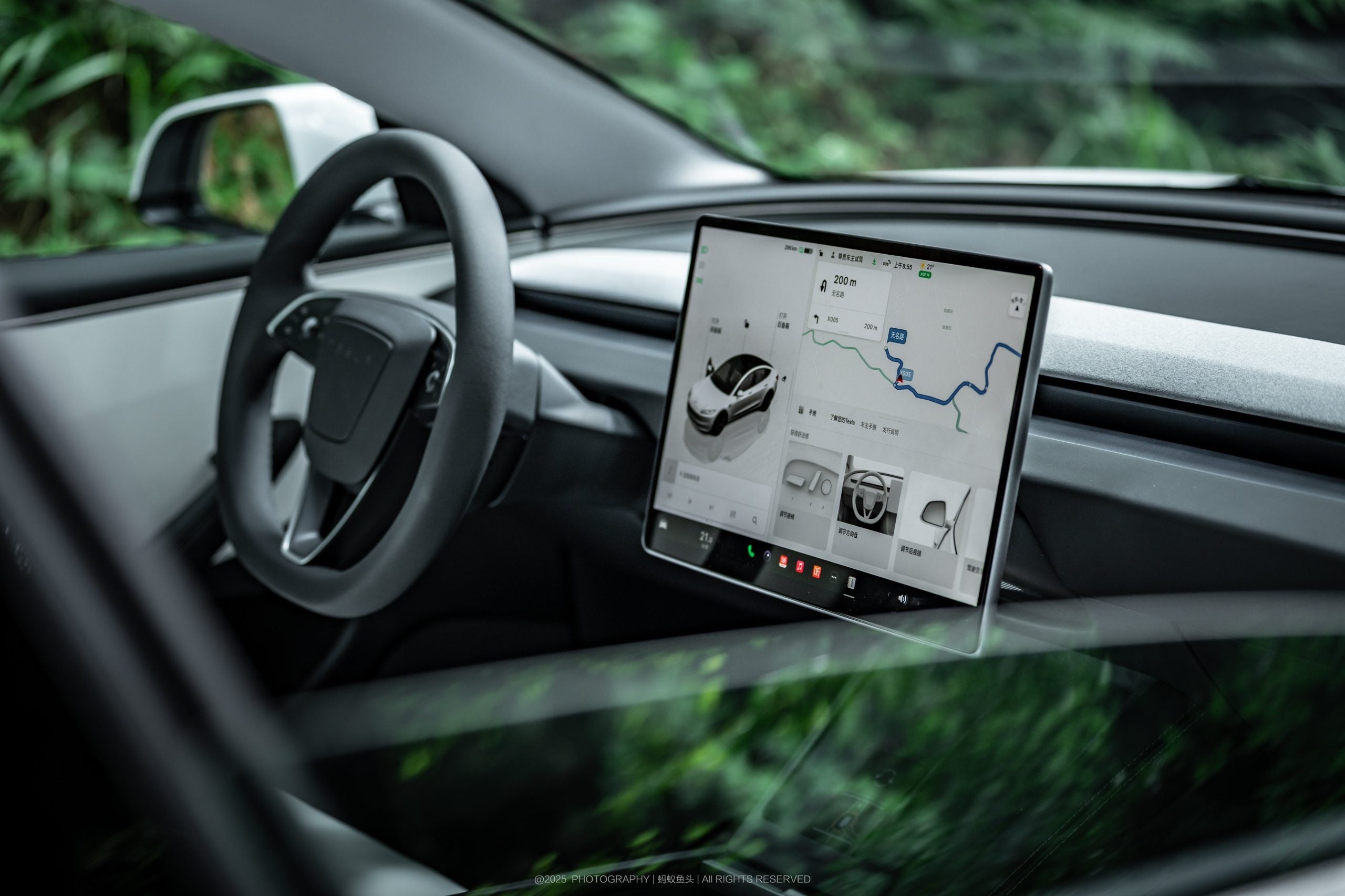
Tesla's Full Self-Driving system has begun operating on public roads in parts of Europe, but its broader rollout across the region remains uncertain. Concerns from several regulators—particularly regarding how the system handles speed limits and safety oversight—could slow approval in additional European markets.

European Approval Process Enters a Critical Stage
Tesla recently achieved a significant regulatory milestone when authorities in the Netherlands approved the use of its supervised automated driving system on public roads. That decision opened the door for deployment in several neighboring countries and raised expectations that wider European adoption could follow.
However, approval at the national level does not automatically guarantee acceptance across the entire European Union. Transportation authorities from multiple member states continue to evaluate whether Tesla's system aligns with existing road safety rules and automated driving regulations.
A key decision is expected when the Technical Committee on Motor Vehicles (TCMV) reviews whether broader recognition of the Dutch approval should be adopted throughout the EU.
Speed Limit Concerns Become a Central Issue
One of the primary objections raised by regulators relates to Tesla's ability to operate above posted speed limits under certain driver-selected settings.
The Swedish Transport Administration (TRV) has argued that allowing an automated driving system to intentionally exceed legal speed limits creates potential safety concerns. Swedish officials have reportedly urged European regulators to reject wider authorization of the technology unless those concerns are addressed.
The issue is not simply whether a vehicle can exceed the speed limit. Many modern vehicles allow drivers to set cruise control above posted limits. Regulators appear to view the situation differently when speed adjustments are integrated into an automated driving system responsible for steering, acceleration, and braking.
Officials have expressed concern that such functionality could conflict with the safety objectives that automated driving technologies are expected to support.
Additional Questions Extend Beyond Speed
The debate surrounding Tesla's software is not limited to speed management.
European regulators are also examining how the system performs under difficult environmental conditions, particularly in regions that experience severe winter weather. Heavy snow, reduced visibility, and unclear lane markings remain important testing scenarios for advanced driver-assistance technologies.
Another topic under discussion is product naming and consumer understanding. Some authorities worry that the term "Full Self-Driving" could lead users to overestimate the system's capabilities, even though Tesla requires drivers to remain attentive and ready to intervene at all times.
These concerns are being considered as regulators determine whether the software meets regional safety expectations.
Tesla Has Already Adapted FSD for Europe
The version of Tesla's driving software available in Europe differs from the one offered in the United States.
Several features have been modified to better align with local regulations and driving practices. For example, European users do not see the same driving personality options available in the U.S. market. Instead, settings are focused more directly on speed management and driver supervision.
Tesla has also adjusted how the system presents information when speed-limit data is uncertain. In situations where the vehicle cannot confidently determine the legal speed, it displays an estimated limit alongside an indicator showing that the information may not be fully verified.
The user interface has been altered as well. Rather than displaying the more familiar "Full Self-Driving" label, European vehicles identify the feature as "FSD (Supervised)", emphasizing that the driver remains responsible for vehicle operation.
Expansion Continues Despite Regulatory Scrutiny
While some regulators remain cautious, Tesla has continued expanding availability in several European countries following the Dutch approval.
The system has already reached additional markets including Belgium, Denmark, Lithuania, and Estonia. Other countries continue to evaluate the technology through their own regulatory processes.
Supporters argue that advanced driver-assistance systems could help reduce collisions and improve road safety when properly supervised. Critics, however, maintain that additional testing and regulatory safeguards may be necessary before widespread deployment.
The upcoming European review could therefore play an important role in determining how quickly Tesla's automated driving technology expands across the continent.

FAQ
Why is Tesla FSD facing resistance in Europe?
Some European regulators are concerned about safety, particularly regarding settings that may allow the vehicle to operate above posted speed limits. Authorities are also reviewing winter-weather performance and driver understanding of the system's capabilities.
What is the main concern raised by Sweden?
The Swedish Transport Administration has questioned whether automated driving systems should be permitted to exceed legal speed limits. Officials argue that such functionality may conflict with the safety goals of vehicle automation.
Has Tesla FSD already been approved anywhere in Europe?
Yes. The Netherlands approved Tesla's supervised automated driving system for public-road use. Following that decision, availability expanded to several additional European countries.
How is European FSD different from the U.S. version?
Tesla has modified certain settings, interface elements, and speed-management features for Europe. The system is also labeled as "FSD (Supervised)" to emphasize ongoing driver responsibility.
Why are regulators concerned about the name "Full Self-Driving"?
Some authorities believe the name could cause confusion about the technology's limitations. Tesla still requires drivers to remain attentive and ready to take control at any time.
Could Tesla continue expanding in Europe?
Yes. Additional countries are evaluating the system, but future expansion will depend on regulatory reviews and compliance with European safety requirements.
Recommend Reading: Tesla Reports 1.1 Million FSD Subscribers as Autonomy Becomes a Core Business









Share:
Lucid Cuts Jobs and Restructures as EV Competition Intensifies