





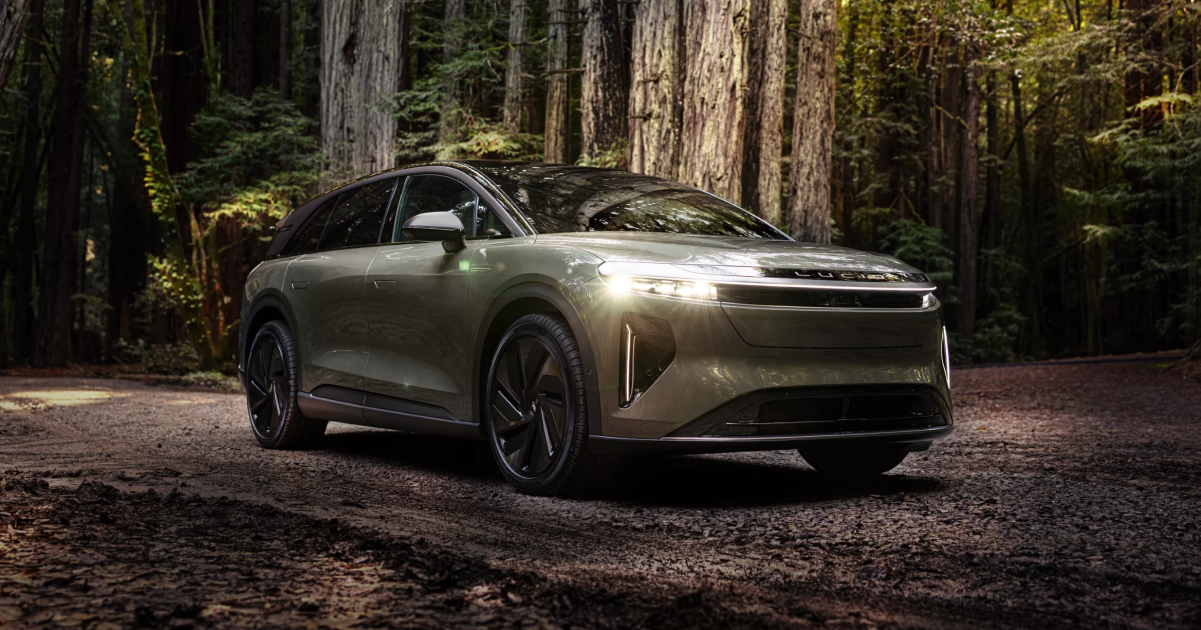
Lucid Motors is reducing its workforce and scaling back production operations as it works to lower expenses and improve financial performance. The company confirmed that 18% of its U.S. employees will be affected, while manufacturing operations at its Arizona facility will also be streamlined as part of a broader cost-reduction strategy.

Lucid Launches New Cost-Saving Initiative
The electric vehicle manufacturer disclosed in a recent regulatory filing that it is implementing a major restructuring effort aimed at improving efficiency. Alongside workforce reductions, Lucid plans to discontinue the second production shift at its AMP-1 manufacturing plant in Arizona.
According to company estimates, the restructuring program could generate approximately $158 million in annual savings. However, Lucid also expects to incur roughly $32 million in one-time expenses related to severance packages, employee benefits, and other transition-related costs.
The announcement comes at a challenging time for the EV sector. While electric vehicle adoption continues to grow globally, many automakers have reported slower-than-expected sales growth, increasing pressure on manufacturers to control costs and improve profitability.
Leadership Changes Continue Across the Company
The restructuring effort coincides with another significant management change. Lucid confirmed that Marc Winterhoff has left the company, and the role of Chief Operating Officer has been eliminated altogether.
Winterhoff's departure follows a period of executive turnover within the company. Earlier this year, longtime CEO Peter Rawlinson stepped down from his leadership position. Winterhoff briefly served as interim chief executive before Lucid appointed Silvio Napoli, the former head of Schindler Group, as its new CEO.
The executive reshuffle has extended beyond the top leadership team. Several senior engineering leaders have also exited the company in recent months.
Among them was Emad Dlala, who previously oversaw powertrain and engineering operations. Additionally, Zach Walker, the chief engineer responsible for Lucid's upcoming midsize vehicle platform, departed the company shortly before the latest restructuring announcement.
Second Round of Layoffs in 2026
This marks Lucid's second workforce reduction of the year. Earlier in 2026, the company announced a separate layoff plan affecting approximately 12% of employees.
While staffing adjustments have become common across the electric vehicle industry, Lucid's repeated restructuring efforts highlight the financial challenges facing newer EV manufacturers. Many startups continue to invest heavily in research, development, production capacity, and software while simultaneously navigating slower market growth and increasing competition from established automakers.
Investors and analysts have closely watched how EV companies balance expansion plans with the need to preserve cash and move toward sustainable profitability.
Future Growth Depends on Lower-Priced Models
Despite the cuts, Lucid's long-term strategy remains centered on expanding beyond the luxury segment.
The company is preparing to introduce two new crossover models designed to reach a much larger customer base than its current vehicle lineup. These vehicles are expected to play a critical role in Lucid's future growth plans.
The first model, known as the Cosmos, is expected to enter a highly competitive segment currently dominated by vehicles such as the Tesla Model Y and Rivian R2. Lucid has indicated that the crossover could start at approximately $50,000, significantly below the pricing of its existing Air sedan and Gravity SUV.
Production of the Cosmos is expected to begin before the end of this year, making it one of the most important launches in the company's history.
A second model, called the Earth, is currently scheduled to arrive by the end of 2027. Together, these vehicles are intended to help Lucid increase sales volume and broaden its market reach.
Why the Restructuring Matters
Lucid's latest actions reflect a broader trend across the EV industry. Companies that expanded aggressively during periods of rapid electric vehicle growth are now adjusting their operations to match changing market conditions.
By reducing operating costs, simplifying management structures, and focusing resources on upcoming mass-market products, Lucid is attempting to strengthen its financial position before launching its next generation of vehicles.
Whether those efforts succeed will largely depend on how well the Cosmos and Earth perform in an increasingly crowded electric crossover market.

FAQ
Why is Lucid laying off employees?
Lucid says the layoffs are part of a restructuring plan designed to improve efficiency and reduce costs. The company expects the initiative to generate approximately $158 million in savings.
How many workers are affected by Lucid's latest layoffs?
The company stated that approximately 18% of its U.S. workforce will be impacted. This follows a previous workforce reduction announced earlier in 2026.
What changes are being made at Lucid's Arizona factory?
Lucid is eliminating the second production shift at its AMP-1 manufacturing facility in Arizona. The move is intended to lower operating expenses and streamline production.
Who is leading Lucid after the recent executive departures?
Silvio Napoli currently serves as Lucid's CEO. He took over leadership responsibilities following the departure of former CEO Peter Rawlinson and subsequent management changes.
What new vehicles is Lucid planning to launch?
Lucid is developing two new crossover models called the Cosmos and Earth. The Cosmos is expected to begin production before year-end, while the Earth is planned for launch by the end of 2027.
Why are the upcoming crossover models important for Lucid?
The new vehicles are expected to target higher-volume market segments with lower starting prices. Lucid views them as key products for expanding sales and improving its path toward profitability.
Recommend Reading: Lucid Motors Appoints New CEO and Secures Additional Investment










Share:
Silicon-Anode EV Batteries May Arrive Before Solid-State