





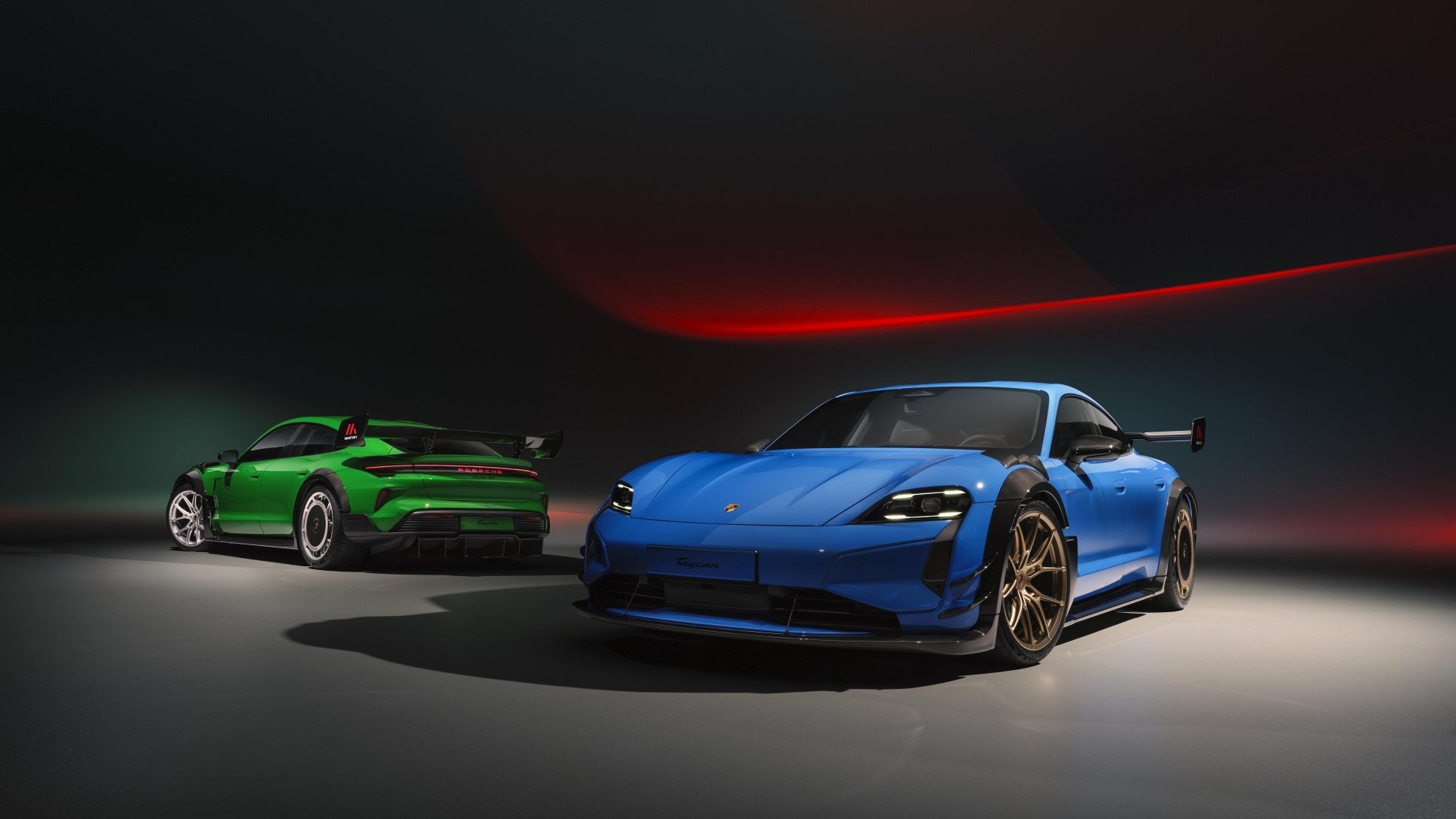
The biggest change to the 2027 Porsche Taycan is the introduction of a new simulated gear-shifting feature alongside a larger battery that now comes standard across the lineup. Porsche is also adding a NACS fast-charging port, updated infotainment software, and several performance-focused enhancements.

Porsche Embraces a Trend It Once Rejected
For years, many automakers argued that electric vehicles should embrace their unique characteristics rather than imitate gasoline-powered cars. Porsche was among those skeptical of artificial driving sensations such as fake gear changes and synthesized engine sounds.
That position has now changed.
The updated Taycan introduces E-Shift, a system designed to create a more traditional performance-car experience behind the wheel. The feature simulates multiple gear ratios, allowing drivers to manually "shift" using steering-wheel-mounted paddles. The system also generates artificial power delivery characteristics and sound effects intended to resemble those of a combustion-powered sports car.
The move reflects a broader trend within the performance EV segment. Manufacturers increasingly recognize that acceleration alone may not provide enough engagement for some enthusiasts. Instead, brands are experimenting with ways to introduce additional sensory feedback into electric driving.
How the New E-Shift Technology Works
Porsche's new software creates the sensation of an eight-speed transmission despite the vehicle's electric drivetrain requiring no actual gear changes.
When the system is active, drivers can shift through virtual gears using paddle controls. As engine speed approaches a simulated redline, acceleration temporarily pauses during the virtual shift before power delivery resumes.
The system also introduces several behaviors commonly associated with gasoline vehicles, including:
- Simulated shift shock
- Virtual rev limits
- Artificial engine braking effects
- Gear-dependent power characteristics
- Synthesized powertrain sounds
Porsche says the calibration differs depending on the vehicle variant, meaning different Taycan models may receive unique sound profiles and driving characteristics.
The objective is not to improve outright performance but to create a more interactive driving experience.
Driver Engagement Takes Priority Over Maximum Speed
One notable consequence of enabling E-Shift is that acceleration performance becomes slightly less efficient.
Because the software intentionally recreates the brief interruption typically experienced during gear changes, acceleration is no longer completely uninterrupted. Drivers seeking the quickest possible sprint times can simply disable the feature and return to the standard electric driving mode.
This approach mirrors similar systems introduced by other performance-focused EV manufacturers. Rather than pursuing maximum acceleration at all times, automakers are increasingly exploring ways to make electric vehicles feel more engaging during spirited driving.
For many enthusiasts, the emotional connection created by sound, timing, and driver interaction can be just as important as raw performance numbers.
Larger Battery Now Standard Across the Range
Beyond the new driving technology, Porsche has made a significant hardware change by standardizing the larger battery pack throughout the Taycan lineup.
All 2027 models now receive a 105-kilowatt-hour battery as standard equipment. Previously, battery availability varied depending on trim level and configuration.
The larger pack helps strengthen the Taycan's position in the increasingly competitive premium EV market, where range and charging performance continue to influence purchasing decisions.
Porsche has not dramatically altered the vehicle's core architecture, but the battery upgrade ensures buyers receive the higher-capacity option without paying extra for certain trims.
Charging and Software Improvements Arrive
The 2027 Taycan also adopts the North American Charging Standard (NACS) connector for DC fast charging. This change improves compatibility with a growing number of charging stations across North America.
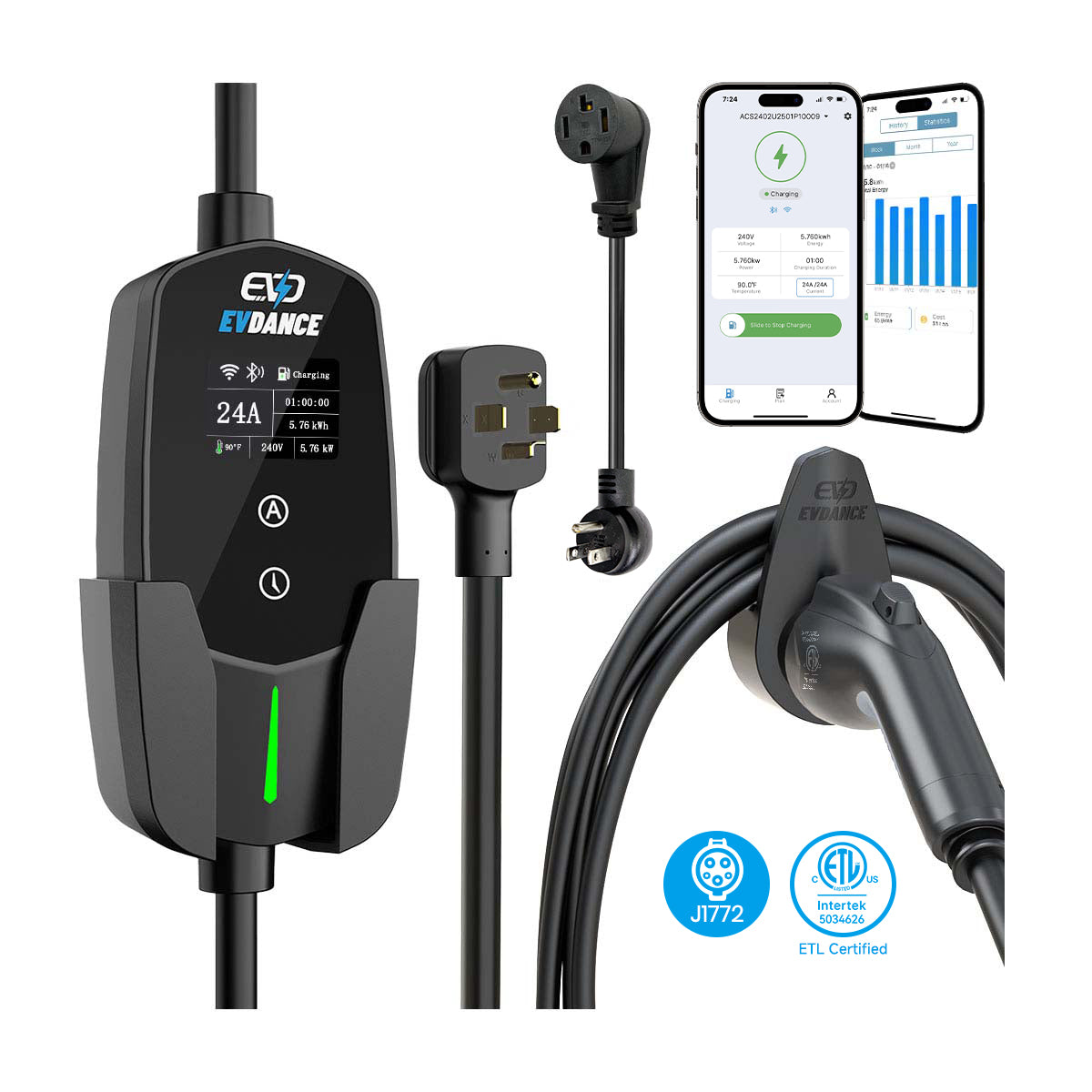
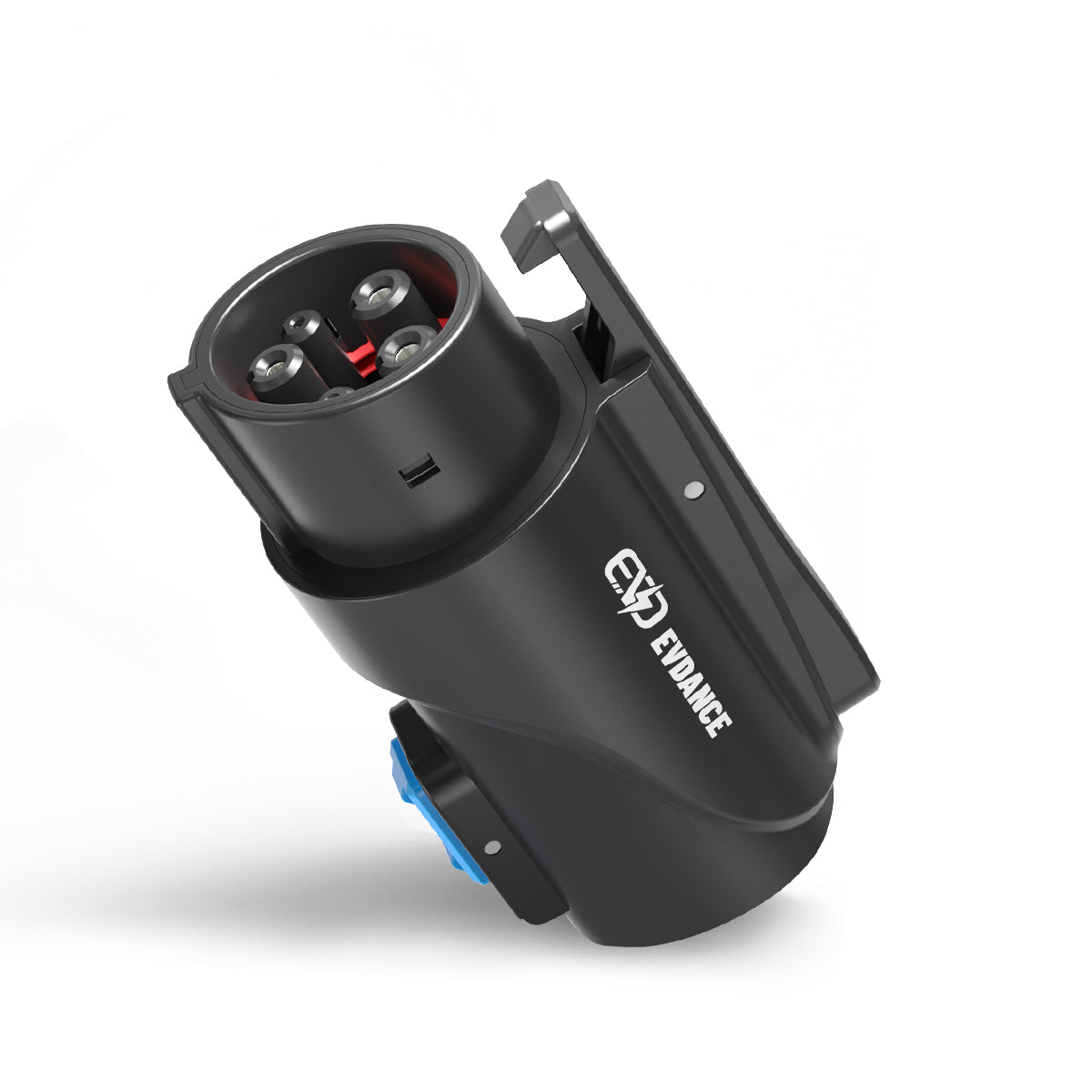
Level 2 charging continues to use the existing J1772 connection, preserving compatibility with home and public AC charging equipment.
Fast-charging performance remains one of the Taycan's strongest attributes. Thanks to Porsche's 800-volt electrical architecture, charging speeds can reach up to 320 kilowatts under ideal conditions. This allows the vehicle to recover substantial driving range during relatively short charging stops.
Inside the cabin, Porsche has also refreshed the infotainment system. While the company has not radically redesigned the user interface, the updates aim to improve usability and modernize the overall digital experience.
A Different Philosophy for Performance EVs
The latest Taycan update highlights a changing philosophy within the electric performance-car market.
Rather than relying solely on instant torque and silent operation, manufacturers are increasingly adding features that recreate familiar sensations from traditional sports cars. Porsche's decision to introduce virtual shifting represents one of the clearest signs yet that driver engagement remains a priority even as the industry transitions toward electrification.
At the same time, practical improvements such as a larger standard battery, NACS charging support, and software enhancements ensure the 2027 Taycan continues evolving beyond its performance credentials alone.

FAQ
Why did Porsche add simulated gear shifting to the Taycan?
Porsche introduced E-Shift to increase driver engagement. The system creates virtual gear changes, engine braking effects, and synthetic sounds to provide a more interactive driving experience.
Does E-Shift improve performance?
No. The feature is designed primarily for driving enjoyment. Because it simulates gear changes, acceleration is slightly interrupted, making it marginally slower than the standard mode.
How many virtual gears does the new Taycan have?
The E-Shift system simulates eight gears. Drivers can manually shift between them using steering-wheel paddles.
What battery comes with the 2027 Taycan?
Every 2027 Taycan now includes a 105-kWh battery pack as standard equipment. This larger battery was not previously standard across the entire range.
Does the 2027 Taycan use NACS charging?
Yes. Porsche has added a NACS connector for DC fast charging, improving access to North American charging infrastructure while retaining J1772 compatibility for AC charging.
What is the Taycan's maximum charging speed?
The vehicle can charge at up to 320 kW under suitable conditions. Its 800-volt platform helps support very fast DC charging performance.
Recommend Reading: Porsche Cayenne S Electric Adds Mid-Tier Performance to EV Lineup









Share:
Rivian Cuts Jobs While Scaling R2 Production