





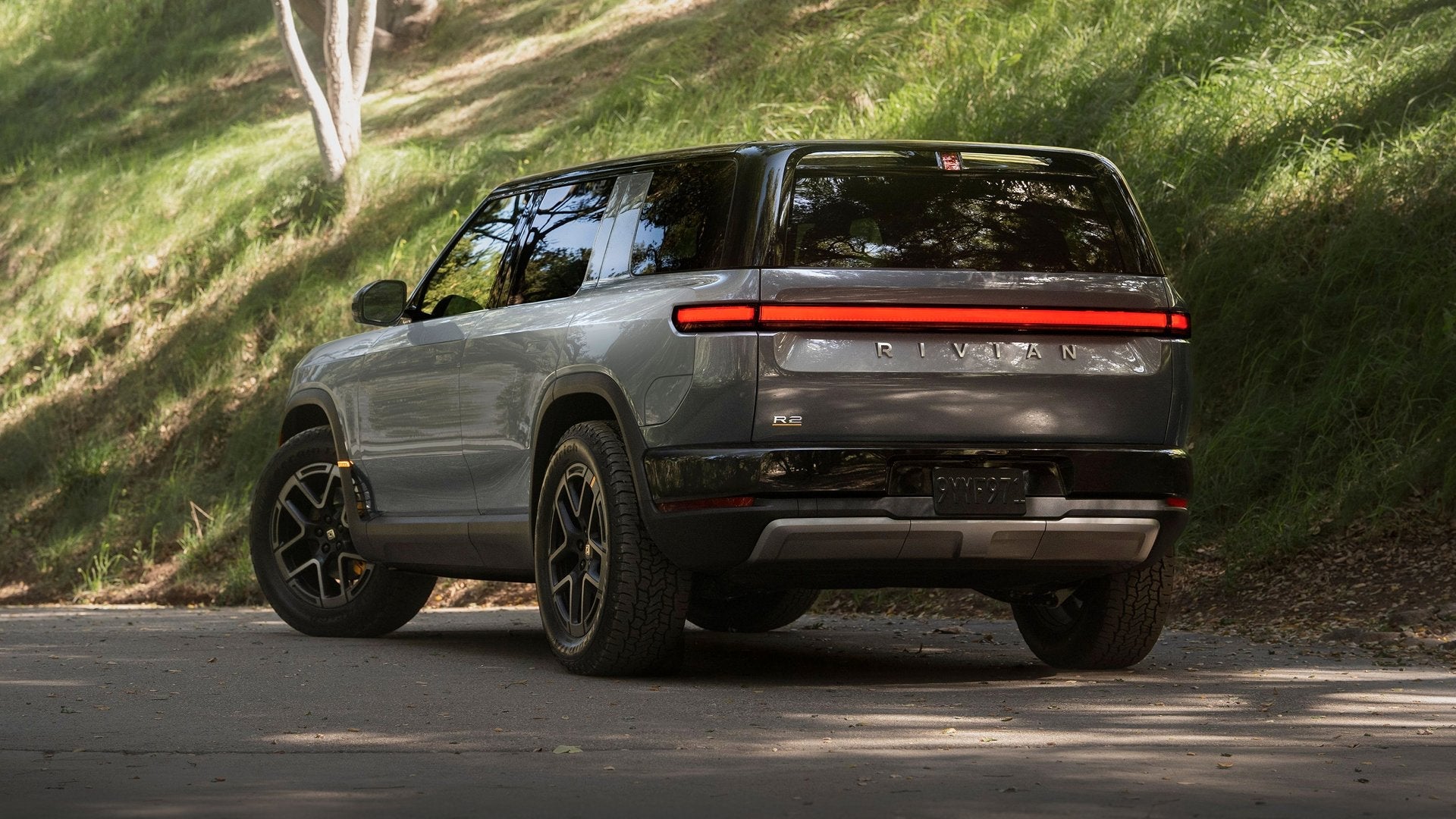
Rivian has reduced its workforce by roughly 300 employees, representing less than 2% of its staff, shortly after beginning deliveries of the highly anticipated R2 electric SUV. The company says the move is part of a broader effort to improve operational efficiency and support long-term profitability as it prepares for higher production volumes.

Workforce Changes Follow Major Product Launch
The layoffs come at a notable moment for Rivian. Only days after the company started delivering its newest vehicle, reports emerged that several hundred positions were being eliminated across parts of the business.
Based on Rivian's workforce size of approximately 15,200 employees at the end of 2025, the reduction affects a relatively small percentage of the organization. However, the timing has drawn attention because it follows one of the company's most important product launches to date.
Company representatives indicated that the restructuring primarily affects customer-facing operations and certain commercial functions. Areas linked to sales, marketing, customer support, and service-related activities appear to be among those impacted.
According to Rivian, the changes are intended to streamline operations as the company moves into its next phase of growth.
Why the R2 Matters to Rivian's Future
The launch of the R2 represents far more than the arrival of a new model. For Rivian, it is a critical step toward transforming the company from a niche manufacturer into a larger-volume automaker.
Since entering the market, Rivian has largely focused on premium products such as the R1T pickup and R1S SUV, vehicles aimed at buyers seeking adventure-oriented electric transportation. While those products helped establish the brand, they have not generated the production scale necessary to achieve consistent profitability.
The R2 is expected to reach a much broader audience thanks to its more accessible positioning within the EV market. As a result, industry analysts view the model as one of Rivian's most significant business initiatives since the company was founded.
The vehicle is also expected to compete directly with popular electric crossovers that dominate the U.S. market, placing Rivian in a higher-volume segment than ever before.
Profitability Remains a Key Objective
Like many emerging electric vehicle manufacturers, Rivian continues to face financial challenges despite growing brand recognition and expanding vehicle deliveries.
The company reported a net loss of approximately $3.6 billion in 2025, following an even larger loss of roughly $4.7 billion in 2024. These figures highlight the ongoing pressure facing EV startups as they invest heavily in manufacturing capacity, software development, retail operations, and charging infrastructure.
Reducing expenses while increasing production efficiency has become a common strategy among automakers attempting to navigate a competitive and rapidly changing market.
The latest workforce reduction appears to be part of Rivian's broader effort to balance growth ambitions with financial discipline.
Production Targets Continue to Expand
Although Rivian is trimming certain teams, the company is simultaneously preparing for a substantial increase in manufacturing output.
In 2025, Rivian delivered just under 42,250 vehicles across its lineup. The automaker expects the R2 to become its highest-volume product and has reportedly targeted approximately 20,000 R2 deliveries during its first year of production.
That goal would represent a significant contribution to Rivian's overall sales performance and could help improve economies of scale throughout the business.
To support future growth, Rivian plans to expand manufacturing beyond its current facilities. The company intends to transition production to a new factory in Georgia by 2028. Once fully operational, the site is expected to have annual production capacity of up to 300,000 vehicles.
Such capacity would dramatically exceed Rivian's current output and position the company to compete more directly with larger automotive manufacturers.
Balancing Growth and Cost Control
The combination of layoffs and expansion plans may appear contradictory, but it reflects a challenge many EV companies face as they mature.
Automakers often adjust staffing structures while investing in new factories, vehicles, and technologies. The objective is to allocate resources toward areas that support future growth while reducing costs in departments that may no longer align with evolving business priorities.
For Rivian, the success of the R2 could play a decisive role in determining whether the company can transition from a fast-growing startup into a sustainable, profitable automaker.
While the workforce reduction affects only a small portion of employees, it signals that Rivian remains focused on controlling costs as it prepares for a larger manufacturing footprint and a more competitive phase of its business journey.

FAQ
Why is Rivian laying off employees after launching the R2?
Rivian says the layoffs are part of an internal restructuring aimed at improving efficiency and supporting profitable growth. The reductions affect less than 2% of the company's workforce.
How many workers are affected by the layoffs?
Based on Rivian's workforce of approximately 15,200 employees, the cuts impact around 300 people. Most affected roles are tied to service, customer operations, sales, and marketing functions.
What makes the R2 important for Rivian?
The R2 is expected to become Rivian's highest-volume vehicle and expand the brand beyond its premium R1 lineup. The model is considered central to Rivian's long-term growth strategy.
Is Rivian currently profitable?
No. Rivian reported losses of approximately $3.6 billion in 2025 and $4.7 billion in 2024. Improving profitability remains one of the company's primary business goals.
How many R2 vehicles does Rivian expect to deliver?
The company is targeting roughly 20,000 R2 deliveries during its initial production period. That would make it one of Rivian's most significant product launches by volume.
What is Rivian's Georgia factory project?
Rivian plans to move production to a new manufacturing facility in Georgia by 2028. The plant is designed to support annual output of up to 300,000 vehicles.
Recommend Reading: Rivian R2 Offers a Spare Tire Option Most EVs Skip










Share:
Tesla Cybercab EPA Filing Reveals Key Specs
2027 Porsche Taycan Adds Virtual Shifting System