





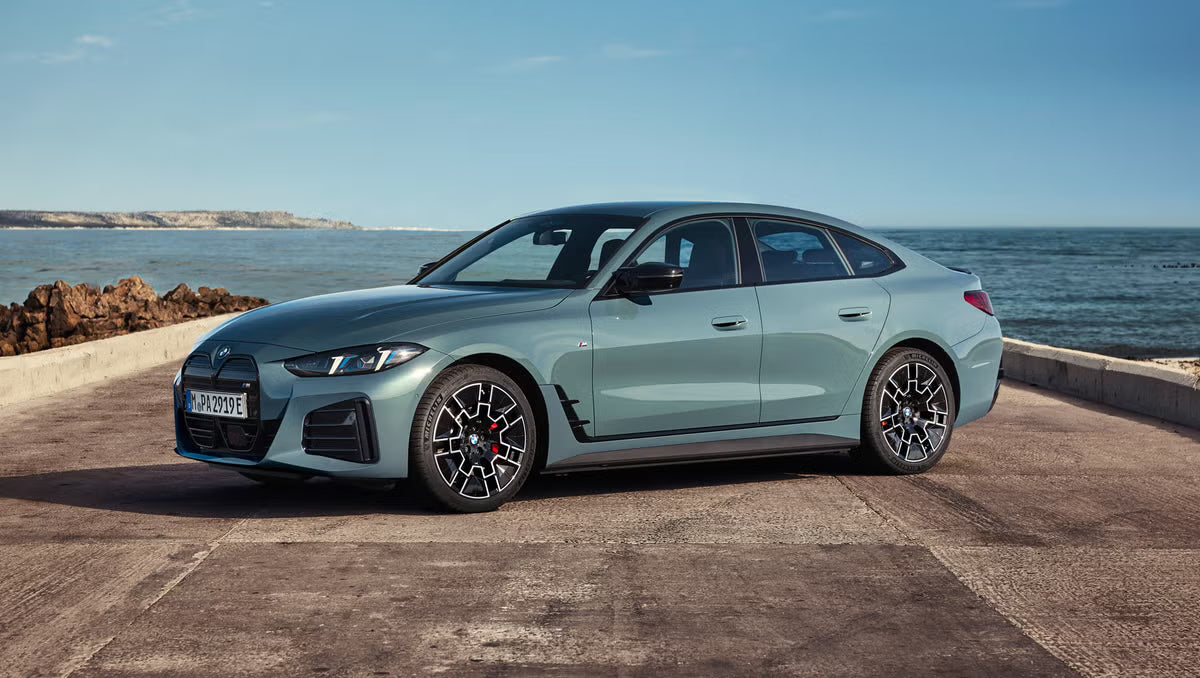
Electric vehicle adoption in the United States is expected to grow more slowly than previously forecast, largely because recent federal policy changes have reduced regulatory support and financial incentives. Industry analysts also point to fewer available EV models and relatively high vehicle prices as key factors limiting near-term demand.

Policy Changes Have Altered the Market Outlook
Only a few years ago, many analysts expected the U.S. electric vehicle market to accelerate rapidly throughout the decade. Automakers committed billions of dollars to battery production, new manufacturing facilities, and expanded EV lineups, while federal incentives encouraged more consumers to consider switching from gasoline-powered vehicles.
That outlook has changed considerably. According to BloombergNEF's 2026 Electric Vehicle Outlook, the U.S. passenger EV market is now projected to expand at a much slower pace than earlier estimates suggested.
The research firm has lowered its long-term expectations for American EV adoption for the second consecutive year. Analysts attribute the revision primarily to the rollback of federal policies that previously encouraged vehicle electrification. As regulatory requirements become less aggressive and consumer incentives shrink, manufacturers have reduced their expectations for EV demand over the next several years.
Sales Forecasts Have Been Revised Downward
Previous forecasts envisioned plug-in vehicles—including battery-electric and plug-in hybrid models—capturing nearly half of new U.S. vehicle sales by 2030. That projection has since been revised substantially.
BloombergNEF now expects plug-in vehicles to account for only about 17% of new U.S. vehicle sales by 2030, representing a significant reduction from earlier expectations.
The firm also predicts a temporary slowdown before growth resumes. Market share for plug-in vehicles is projected to remain around 8–9% during 2026 and 2027, with meaningful recovery not expected until later in the decade.
Rather than experiencing uninterrupted expansion, the market may enter a period of slower adoption while both consumers and manufacturers adjust to changing economic and regulatory conditions.
Federal Incentives and Regulations Are Playing a Smaller Role
Government policy has historically been one of the strongest drivers of EV adoption in the United States. Purchase incentives lowered ownership costs, while fuel-economy and emissions standards encouraged manufacturers to increase electric vehicle production.
Several of those policies have now been reduced or eliminated.
Changes to federal regulations have weakened fuel-economy requirements, while the $7,500 federal EV tax credit has ended earlier than previously anticipated. Together, these developments reduce both consumer purchasing incentives and regulatory pressure on automakers to prioritize electrified vehicles.
Industry researchers say these policy shifts have had a measurable effect on future market forecasts because they directly influence both vehicle pricing and manufacturer investment decisions.
California's Regulatory Influence Has Also Weakened
Another major factor affecting long-term projections is the uncertainty surrounding California's vehicle emissions policies.
For years, California maintained authority to implement emissions standards that exceeded federal requirements, and multiple states adopted similar regulations. Those rules were expected to steadily increase the share of zero-emission vehicle sales through the next decade.
Recent federal action has challenged that framework, creating legal uncertainty over whether those stricter requirements will remain in effect. Several states continue to contest the decision through the courts, but the outcome remains unresolved.
Because California has historically been the nation's largest EV market, changes affecting its regulatory authority could influence vehicle planning decisions across the entire U.S. automotive industry.
Automakers Are Adjusting Product Plans
As consumer demand becomes less predictable, several manufacturers have begun revising their electrification strategies.
Instead of rapidly expanding EV portfolios, some companies have delayed launches, canceled planned models, or shifted investment toward hybrid vehicles and conventional powertrains. Analysts note that these decisions reduce the number of electric models available to consumers, making it more difficult for overall market adoption to accelerate in the short term.
Even though several important EV launches remain scheduled over the next few years, industry observers believe the reduction in available products could offset much of that positive momentum.
Competition and Pricing Remain Major Obstacles
Beyond policy changes, economics continue to shape consumer demand. BloombergNEF notes that EVs in the United States still carry a noticeable price premium over comparable internal-combustion vehicles. Analysts estimate that electric models remain roughly 25% more expensive on average, making the U.S. one of the costliest major markets for EV buyers.
Battery manufacturing costs, ongoing research and development spending, and supply chain investments all contribute to higher vehicle prices. However, industry analysts also point to another important factor: limited market competition.
Compared with markets such as China, where numerous domestic brands compete aggressively on price and technology, American consumers have fewer affordable EV choices. Greater competition overseas has accelerated price reductions and encouraged faster product development, while the U.S. market has remained relatively concentrated.
Model Availability Is Becoming a Key Constraint
Vehicle selection is another factor influencing adoption forecasts.
Several manufacturers have recently postponed, redesigned, or canceled planned electric vehicles as market conditions changed. When fewer models reach dealerships, consumers naturally have fewer opportunities to switch to an EV that matches their budget or lifestyle.
Although several notable launches—including new electric SUVs, pickups, and crossovers—are expected in the coming years, analysts believe they may not fully offset the reduction in canceled or delayed products. As a result, available inventory could remain a limiting factor for overall sales growth during the second half of the decade.
Global EV Growth Continues While the U.S. Slows
The U.S. outlook contrasts sharply with global market trends.
BloombergNEF projects worldwide plug-in vehicle sales will continue climbing, reaching approximately 23 million vehicles this year and accounting for more than 27% of global new-car sales. By 2030, plug-in vehicles are expected to represent roughly 38% of worldwide passenger vehicle sales.
Several major markets—including China, the United Kingdom, Germany, France, Australia, and South Korea—are forecast to exceed that global average. Strong policy support, broader model availability, and intense manufacturer competition continue to accelerate EV adoption in those regions.
If current trends persist, the United States is expected to remain well below the global average despite continued investment from domestic and international automakers.
Long-Term Growth Is Still Expected
Despite a weaker near-term outlook, analysts do not expect the U.S. EV transition to stop altogether.
Battery costs are expected to decline over time, manufacturing capacity continues to expand, and technological improvements should gradually reduce ownership costs. As charging infrastructure improves and more affordable models enter the market, electric vehicles are likely to become increasingly competitive with gasoline-powered alternatives.
For now, however, the pace of adoption appears closely tied to public policy, product availability, and consumer affordability. The coming years will determine whether future regulatory changes or stronger market competition can restore the faster growth that many industry observers once anticipated.

FAQ
Why has BloombergNEF lowered its U.S. EV forecast?
The research firm cites reduced federal policy support as the primary reason. Changes to tax incentives, fuel-economy regulations, and emissions policies have lowered expectations for future EV adoption.
Why are EV sales expected to slow in the U.S.?
Analysts point to several factors, including higher vehicle prices, fewer available EV models, reduced government incentives, and weaker regulatory requirements that previously encouraged automakers to expand electric vehicle production.
Why are EVs growing faster in other countries?
Markets such as China and several European countries benefit from stronger competition, broader model selection, and policies that continue to encourage electric vehicle adoption. These conditions have helped lower prices and increase consumer demand.
Will the U.S. EV market recover?
Most industry forecasts still expect long-term growth. Falling battery costs, expanding charging infrastructure, and the introduction of more affordable vehicles could improve adoption rates later in the decade.
How important are government incentives for EV adoption?
Purchase incentives and emissions regulations can significantly influence both consumer buying decisions and automaker investment strategies. Analysts believe changes to these policies have played a major role in slowing near-term U.S. market growth.
Recommend Reading: Why Budget EVs in the U.S. May Offer Fewer Features Than China











Share:
Rivian R2 Fuels Stronger Q2 Sales Outlook