



Compatibilité des véhicules électriques
Comment vérifier si votre véhicule est compatible avec les produits EVDANCE
Pour choisir le bon chargeur pour véhicule électrique, l'une des questions les plus importantes est sa compatibilité avec votre véhicule. EVDANCE simplifie et simplifie ce processus grâce à son Guide de compatibilité . Voici comment déterminer rapidement si nos produits sont compatibles avec votre véhicule électrique :
1. Identifiez le port de charge de votre véhicule électrique
La plupart des véhicules électriques en Amérique du Nord utilisent le connecteur J1772 pour la recharge de niveaux 1 et 2, tandis que les modèles Tesla nécessitent un adaptateur pour les prises J1772. Avec l'évolution de l'industrie vers la norme de recharge nord-américaine (NACS) , de nombreux nouveaux véhicules électriques adoptent déjà des ports de type Tesla. Connaître la norme de recharge de votre véhicule est la première étape.
2. Visitez la page de compatibilité EVDANCE
Sur la page de compatibilité EVDANCE EV , vous trouverez une liste consultable des modèles pris en charge, y compris les meilleures marques telles que :
-
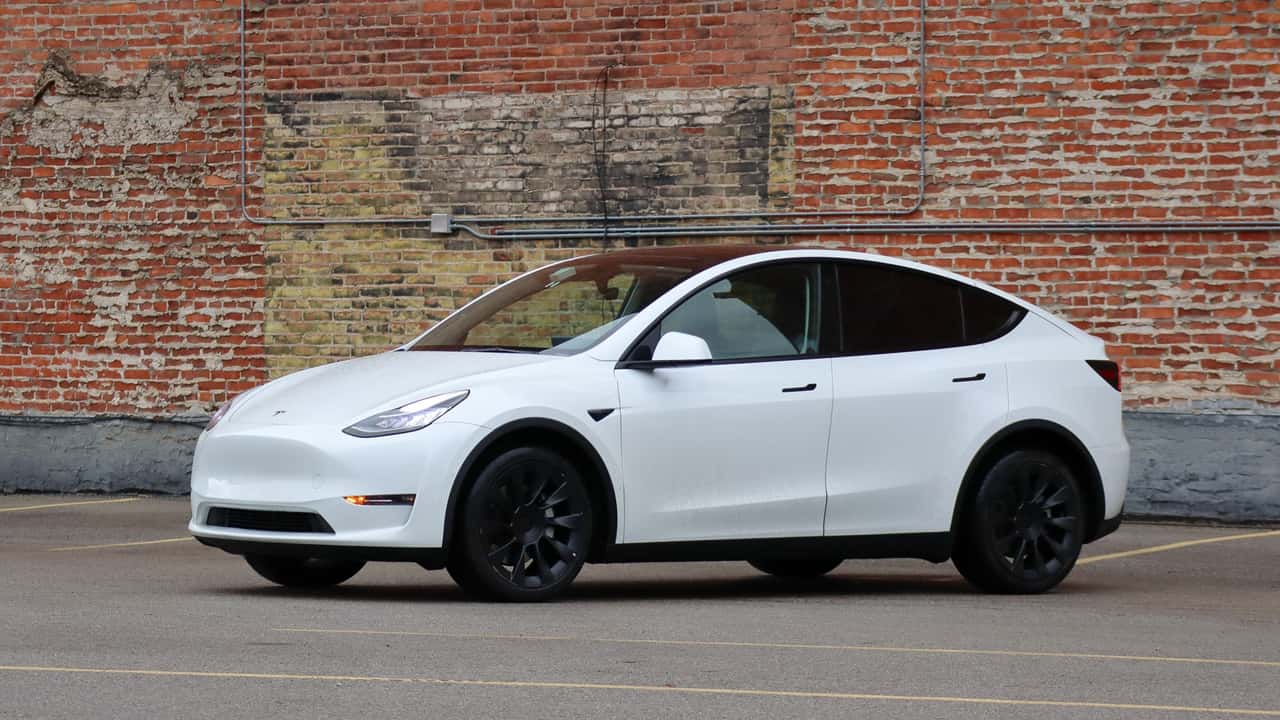
Tesla (Modèle 3, Modèle Y, Modèle S, Modèle X)
-
Ford (Mustang Mach-E, F-150 Lightning)
-
Nissan (Leaf, Ariya)
-
Hyundai et Kia (IONIQ, EV6)
-
BMW, Mercedes-Benz, Rivian et plus
Cette liste est mise à jour régulièrement à mesure que de nouveaux véhicules électriques arrivent sur le marché.
3. Adaptez le type de chargeur à vos besoins de conduite
-
Chargeurs de niveau 1 (NEMA 5-15) : idéaux pour la charge d'entretien de nuit et les conducteurs à faible kilométrage.
-
Chargeurs de niveau 2 (NEMA 14-50, 6-20) : Recommandés pour les trajets quotidiens et les véhicules électriques longue portée, ajoutant 25 à 30 miles d'autonomie par heure.
-
Chargeurs et adaptateurs portables : parfaits pour une charge flexible à la maison ou sur la route.
En associant votre modèle de véhicule électrique au bon chargeur EVDANCE, vous garantissez une vitesse de charge et une sécurité optimales .
4. Contactez le support client pour une aide personnalisée
Vous hésitez encore ? EVDANCE propose un service client dédié pour vous accompagner dans le processus de compatibilité. Les membres du Cercle Intérieur bénéficient d'une assistance exclusive , de garanties étendues et d'un accès anticipé aux tests produits.
5. Assurez la pérennité de votre installation de charge
Les chargeurs EVDANCE sont conçus pour être évolutifs , compatibles avec la norme J1772 actuelle et se préparant à l'adoption généralisée du NACS. Votre chargeur restera ainsi utile malgré l'évolution de la technologie des véhicules électriques.
Brand
Acura
- ZDX
- RSX
Audi
- Audi A6
- Audi A7 TFSI e
- Audi A8 e
- Audi E-Tron
- Audi E-Tron GT
- Audi E-Tron GT RS
- Audi E-Tron Sportback
- Audi Q3 Sportback 45 TFSI E
- Audi Q4 E-Tron
- Audi Q4 E-Tron Sportback
- Audi Q5 E-Tron
- Audi Q5 Sportback TFSI e
- Audi Q5 TFSI e
- Audi Q6 E-tron
- Audi Q7 e-tron
- Audi Q7 TFSI e
- Audi Q8 e-tron
- Audi Q8 e-tron Sportback
- Audi Q8 TFSI e
- Audi SQ8 e-tron
- Audi SQ8 e-tron Sportback
- Audi R8 e-tron
AIfa Romeo
- Alfa Romeo Giulia EV
- Alfa Romeo Stelvio EV
- Alfa Romeo Tonale PHEV
Bentley
- Bentley Bentagya PHEV
- Bentley Flying Spur PHEV
BMW
- BMW 2 Series
- BMW 3 Series
- BMW 5 Series
- BMW 7 Series
- BMW i3 Except 2015 Models
- BMW i4
- BMW i4 M50 Gran Coupe
- BMW i5
- BMW i5 M60 xDrive
- BMW i7
- BMW i7 M70 xDrive
- BMW i8 Coupe
- BMW IX
- BMW iX M60
- BMW iX1
- BMW iX3
- BMW iX4
- BMW X1
- BMW X2
- BMW X3
- BMW X5
- BMW XM
Bollinger
- Bollinger B1
- Bollinger B2
BYD
- BYD ETM6
- BYD Tang
Byton
- Byton M-Byte
Cadillac
- Cadillac Celestiq
- Cadillac ELR
- Cadillac Escalade IQ
- Cadillac Lyriq
- Cadillac Vistiq
Chevrolet
- Chevrolet Blazer
- Chevrolet Bolt EUV
- Chevrolet Bolt EV
- Chevrolet Equinox EV
- Chevrolet Spark EV
- Chevrolet Volt
- Chevrolet Silverado
Chrysler
- Chrysler Pacifica PHEV
Cupra
- Cupra Born 55 kWh
- Cupra Born 62 kWh
- Cupra Born 62 kWh 170kW
- Cupra Formentor PHEV
- Cupra Leon PHEV
- Cupra Leon ST PHEV
- Cupra Born 82 kWh
Dodge
Dodge Hornet PHEV
DS
- DS 3 Crossback E-tense
- DS 7 Crossback E-tense
- DS 9 E-tense
Fiat
- Fiat 500e
- Fiat 500e Cabrio
- Fiat 500e Hatchback
- Fiat 500X Hybrid
- Fiat Fiorino Micro-Vett
Fisker
- Fisker Ocean
- Fisker Karma PHEV
Ferrari
- Ferrari 296GTB
- Ferrari SF90 Stradale
Ford
- Ford C-Max Energi
- Ford E-Transit
- Ford Escape PHEV
- Ford Explorer PHEV
- Ford F-150 Lightning
- Ford F-150 PowerBoost Hybrid
- Ford Focus Electric
- Ford Fusion Energi
- Ford Kuga PHEV
- Ford Mustang Mach-E
- Ford Tourneo Custom PHEV
- Ford Transit Custom PHEV
Genesis
- Genesis Electrified G70
- Genesis Electrified G80
- Genesis Electrified GV70
- Genesis GV60
GMC
- GMC Hummer EV
- GMC Hummer EV Pickup
Honda
- Honda Accord PHEV
- Honda Clarity PHEV
- Honda E
- Honda Prologue
Hyundai
- Hyundai Ioniq 5
- Hyundai Ioniq 6
- Hyundai Ioniq 7
- Hyundai Ioniq 8
- Hyundai Ioniq 9
- Hyundai Ioniq Electric
- Hyundai Ioniq PHEV
- Hyundai Kona Electric
- Hyundai Santa Fe PHEV
- Hyundai Tucson PHEV
Jaguar
- Jaguar F-PACE PHEV
- Jaguar I-PACE EV
Jeep
- Jeep Compass 4xe
- Jeep Grand Cherokee 4xe
- Jeep Renegade 4xe
- Jeep Wrangler 4xe
- Jeep Wrangler EV
Karma
- Karma GS-6
- Karma Revero GT
Kia
- Kia Ceed SW PHEV
- Kia e-Niro
- Kia e-Soul
- Kia EV6
- Kia EV6 GT
- Kia EV7
- Kia EV9
- Kia Niro Electric
- Kia Niro PHEV
- Kia Optima PHEV Sedan
- Kia Optima PHEV Sportwagon
- Kia Sorento PHEV
- Kia Soul EV
- Kia Sportage PHEV
- Kia XCeed PHEV
Land Rover
- Land Rover Discovery Sport
- Land Rover Range Rover Evoque
- Land Rover Range Rover PHEV
- Land Rover Range Rover Sport PHEV
- Land Rover Range Rover Velar
Lexus
- Lexus NX
- Lexus RZ
- Lexus RX
- Lexus UX
Lincoln
- Lincoln Aviator Grand Touring
- Lincoln Corsair Grand Touring
Lordstown
- Lordstown Endurance
Lucid
- Lucid Air Pure
- Lucid Air
- Lucid Air Sapphire
- Lucid Gravity
Mazda
- Mazda CX-90 PHEV
- Mazda MX-30 PHEV
McLaren
- McLaren Artura
Mercedes-Benz
- Mercedes-Benz A e
- Mercedes-Benz B e
- Mercedes-Benz C e
- Mercedes-Benz CLA e
- Mercedes-Benz E e
- Mercedes-Benz EQA
- Mercedes-Benz EQB
- Mercedes-Benz EQC
- Mercedes-Benz EQE
- Mercedes-
- Benz
- AMG EQE
- Mercedes-Benz EQE SUV
- Mercedes-
- Benz
- AMG EQE SUV
- Mercedes-Benz EQS
- Mercedes-
- Benz
- AMG EQS
- Mercedes-Benz EQS SUV
- Mercedes-Benz EQS SUV Maybach
- Mercedes-Benz EQV
- Mercedes-Benz eSprinter
- Mercedes-Benz eVito
- Mercedes-Benz GLA e
- Mercedes-Benz GLC e
- Mercedes-Benz GLC e Coupe
- Mercedes-Benz GLE e
- Mercedes-Benz GLE e Coupe
- Mercedes-Benz S e
- Mercedes-Benz Vito E-Cell
Mini
- Mini Cooper SE Hardtop 2 door
- Mini Countryman Cooper SE
- Mini Countryman SE PHEV
- Mini Hardtop Cooper SE
Mitsubishi
- Mitsubishi Eclipse Cross PHEV
- Mitsubishi i-MiEv
- Mitsubishi Outlander PHEV
NIO
- NIO ES6
- NIO ES8
Nissan
- Nissan Ariya
- Nissan Ariya e-NV
- Nissan Leaf
- Nissan Leaf SV
Polestar
- Polestar 1 PHEV
- Polestar 2
- Polestar 2 PHEV
- Polestar 3
Porsche
- Porsche Cayenne Coupe E-Hybrid
- Porsche Cayenne Coupe Turbo S E-Hybrid
- Porsche Cayenne S E-Hybrid
- Porsche Cayenne Turbo S E-Hybrid
- Porsche Panamera 4 E-Hybrid
- Porsche Panamera E-Hybrid
- Porsche Panamera S E-Hybrid
- Porsche Panamera Sport Turismo 4 E-Hybrid
- Porsche Panamera Sport Turismo Turbo S
- Porsche Panamera Turbo S E-Hybrid
- Porsche Taycan
- Porsche Taycan 4S
- Porsche Taycan 4S Cross Turismo
- Porsche Taycan Cross Turismo
- Porsche Taycan Cross Turismo Turbo
- Porsche Taycan GTS
- Porsche Taycan Sport Turismo
- Porsche Taycan Turbo
- Porsche Taycan Turbo S
Rivian
- Rivian R1S
- Rivian R1S All-Terrain Quad
- Large
- Rivian R1T
- Rivian R1X
- Rivian R2S
- Rivian R2T
- Rivian R3S
- Rivian R3T
- Rivian R4S
- Rivian R4T
Rolls-Royce
- Rolls-Royce Spectre
Smart
- Smart #1
- Smart EQ ForFour
- Smart EQ Fortwo
- Smart EQ Fortwo Cabrio
- Smart EQ Fortwo Coupe
- Smart Fortwo Cabrio Electric
Subaru
- Subaru Crosstrek PHEV
- Subaru Solterra
Suzuki
- Suzuki Across PHEV
Tesla
- Tesla Cybertruck
- Tesla Model 3
- Tesla Model S
- Tesla Model S Plaid
- Tesla Model X
- Tesla Model X Plaid
- Tesla Model Y
- Tesla Roadster
Toyota
- Toyota bZ4X
- Toyota Prius
- Toyota Proace City Verso Electric
- Toyota RAV4 Plug in Hybrid
- Toyota Yaris Hybrid
Vinfast
- Vinfast VF 8
- VinFast VF 9 Eco/Plus1
Volkswagen
- Volkswagen Arteon Plug in Hybrid
- Volkswagen e-Caddy
- Volkswagen e-Crafter
- Volkswagen e-Golf
- Volkswagen e-Up
- Volkswagen ID.3
- Volkswagen ID.4
- Volkswagen ID.5
- Volkswagen ID.Buzz
- Volkswagen Passat GTE
- Volkswagen Tiguan e-Hybrid
- Volkswagen Touareg eHybrid
Volvo
- Volvo C40
- Volvo EX90
- Volvo S60 PHEV
- Volvo S90
- Volvo V60 PHEV
- Volvo V90
- Volvo XC40
- Volvo XC60
- Volvo XC90 Recharge PHEV
- Volvo XC90
FAQs
1. What does EV compatibility mean?
EV compatibility refers to whether a specific electric vehicle (EV) can connect with and charge from a given EV charger, based on plug type, power rating, and communication protocols.
2. How do I know if a charger is compatible with my EV?
Check your EV’s connector type (e.g., J1772, CCS1, CHAdeMO, NACS) and ensure the charger supports it. Also, verify the charging speed (Level 1, Level 2, or DC Fast Charging) matches your vehicle’s specs.
3. Is Tesla compatible with other EV chargers?
Yes. Tesla EVs use their proprietary plug in North America but can charge at non-Tesla stations with a J1772 or CCS adapter. Newer models are adopting the NACS (North American Charging Standard), which simplifies compatibility.
4. Can non-Tesla EVs use Tesla Superchargers?
Some Superchargers now support non-Tesla EVs through the Magic Dock (CCS-compatible). Compatibility is expanding, especially with the adoption of the NACS connector across various automakers.
5. What is the difference between CCS, CHAdeMO, and NACS?
- CCS (Combined Charging System) is the most common fast-charging standard in the U.S. and Europe.
- CHAdeMO is primarily used by older Nissan models and a few Asian EVs.
- NACS, developed by Tesla, is becoming the new standard in North America due to its compact size and growing industry support.
6. Do all EVs use the same plug for home charging?
Most EVs use the J1772 plug for Level 2 home charging. Tesla vehicles need an adapter to use J1772 chargers, unless it's a Tesla Wall Connector.
7. Can I charge different EV brands with the same Level 2 charger?
Yes, as long as the charger supports the standard plug (e.g., J1772 or NACS) and your vehicle can accept that connector.
8. Do I need a special plug at home to charge my EV?
Many Level 2 chargers require a NEMA 14-50 or NEMA 6-50 outlet. Check your charger's requirements and ensure proper installation by a licensed electrician.
9. Will EV adapters affect charging speed or safety?
Certified adapters maintain safe charging speeds and performance. However, using unofficial or poorly rated adapters may reduce efficiency or pose safety risks.
10. What should I consider before buying an EV charger?
Ensure the charger supports your vehicle’s plug type, is rated for your home's electrical system, and includes smart features if desired. Also, confirm compatibility with evolving standards like NACS.
Flagship Products
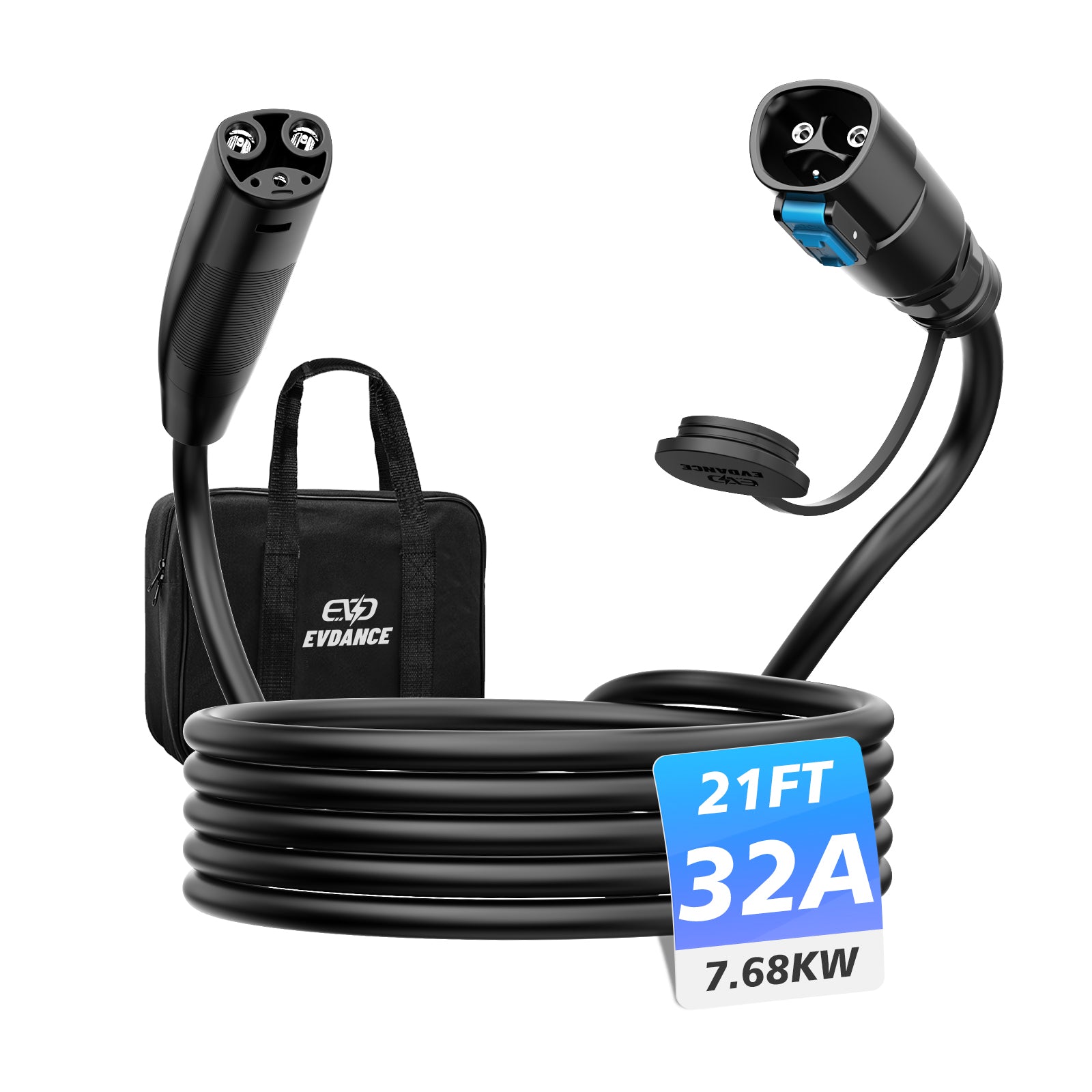
Rallonges de charge EVDANCE pour Tesla EV 32 A 21 pi

Connector

Cable

Circuit
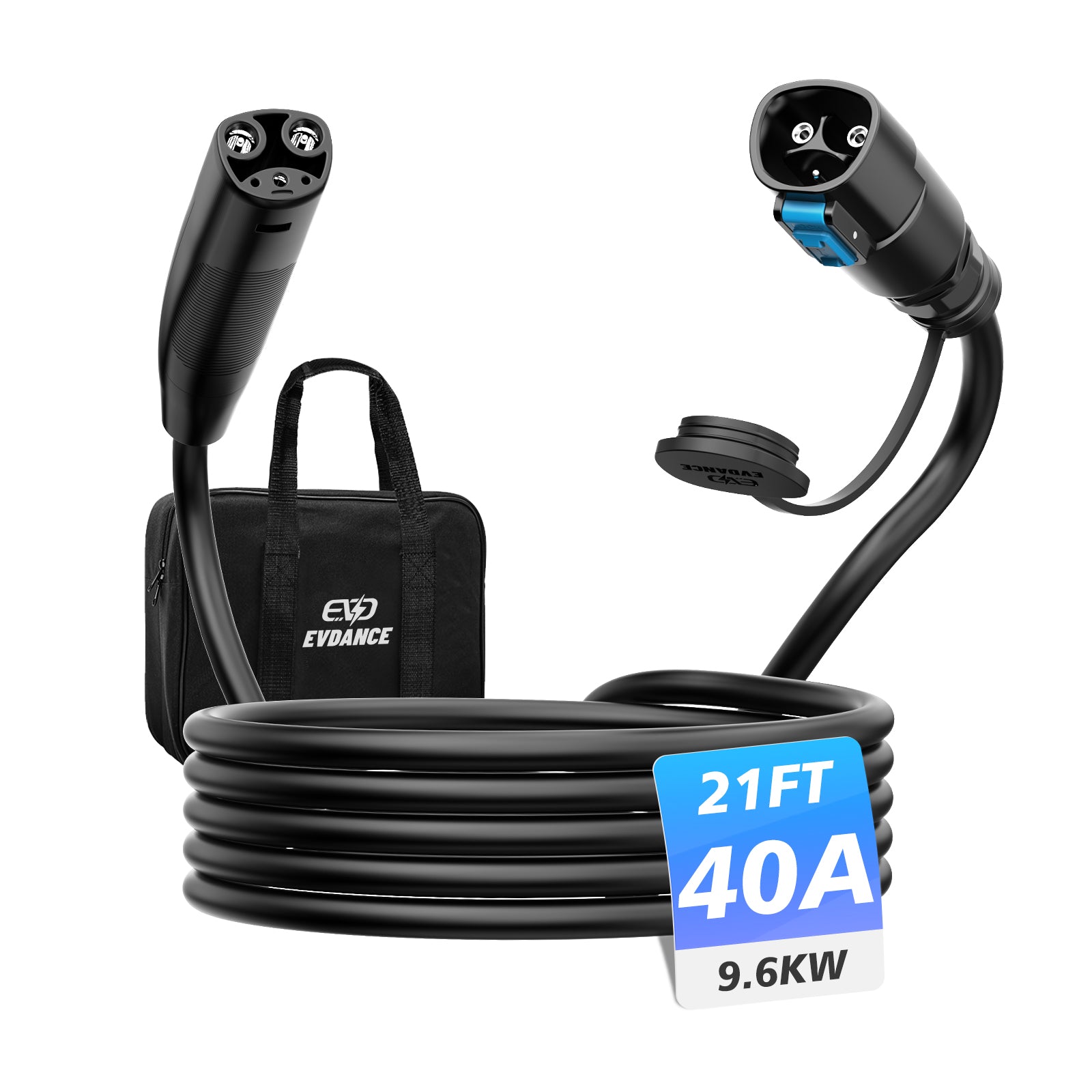
Rallonges de charge pour véhicules électriques EVDANCE Nexus Reach Tesla 40 A 21 pi
Connector
Cable
Circuit
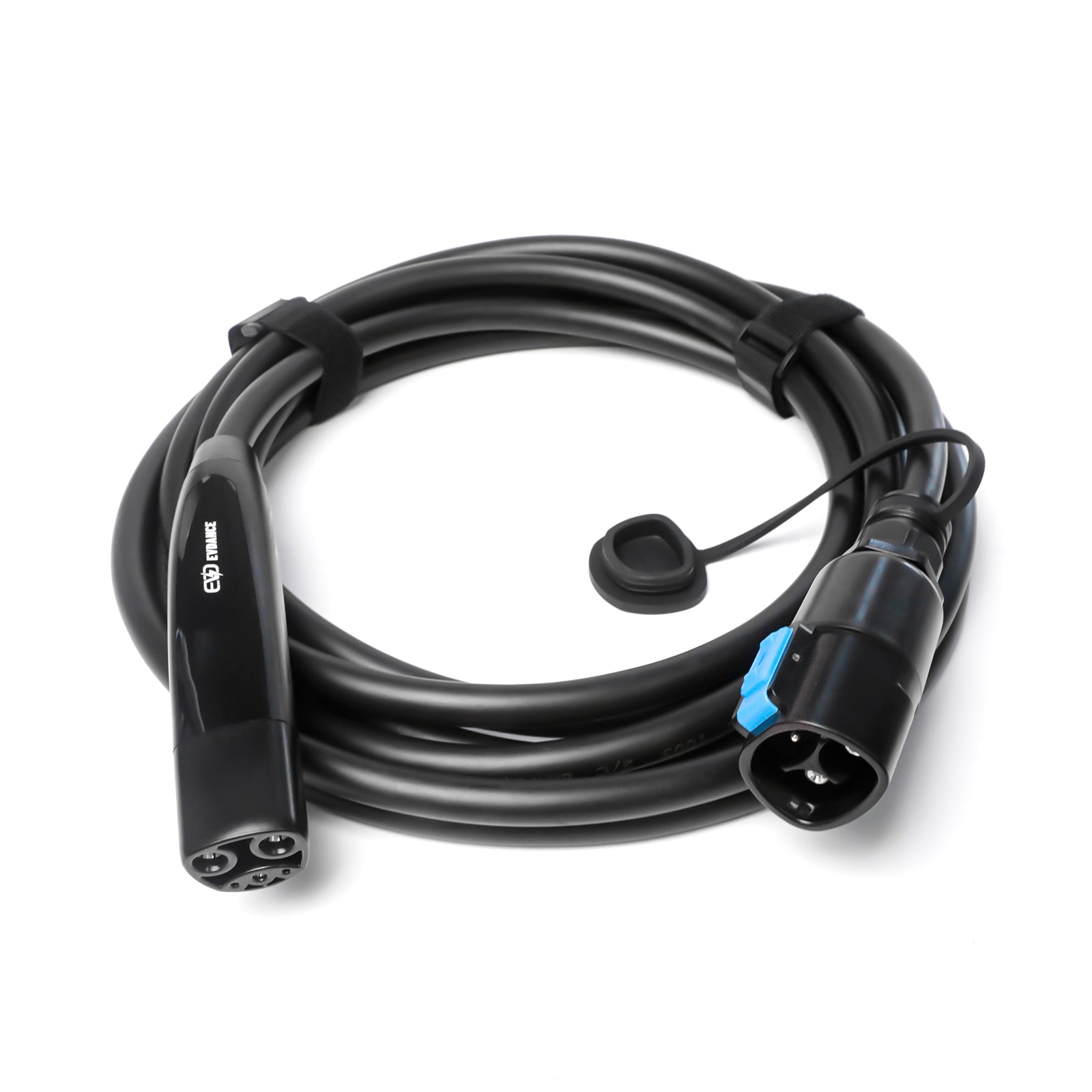
Câble/rallonge de charge EVDANCE 50 A pour Tesla EV
Connector
Cable
Cable
Circuit
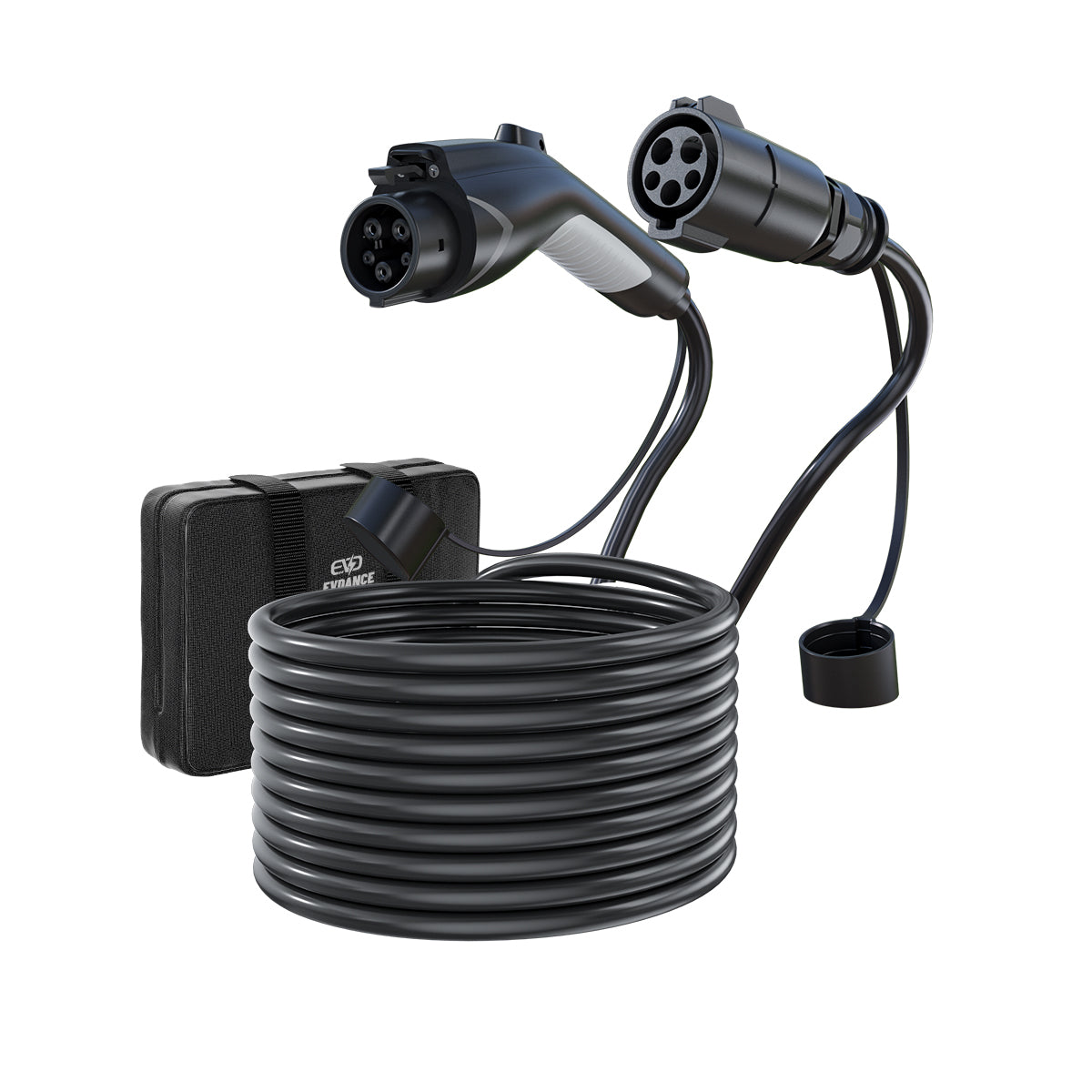
Rallonge électrique EVDANCE J1772 32 A-50 A 21/40 pi

Connector
Cable
Cable
Cable
Circuit
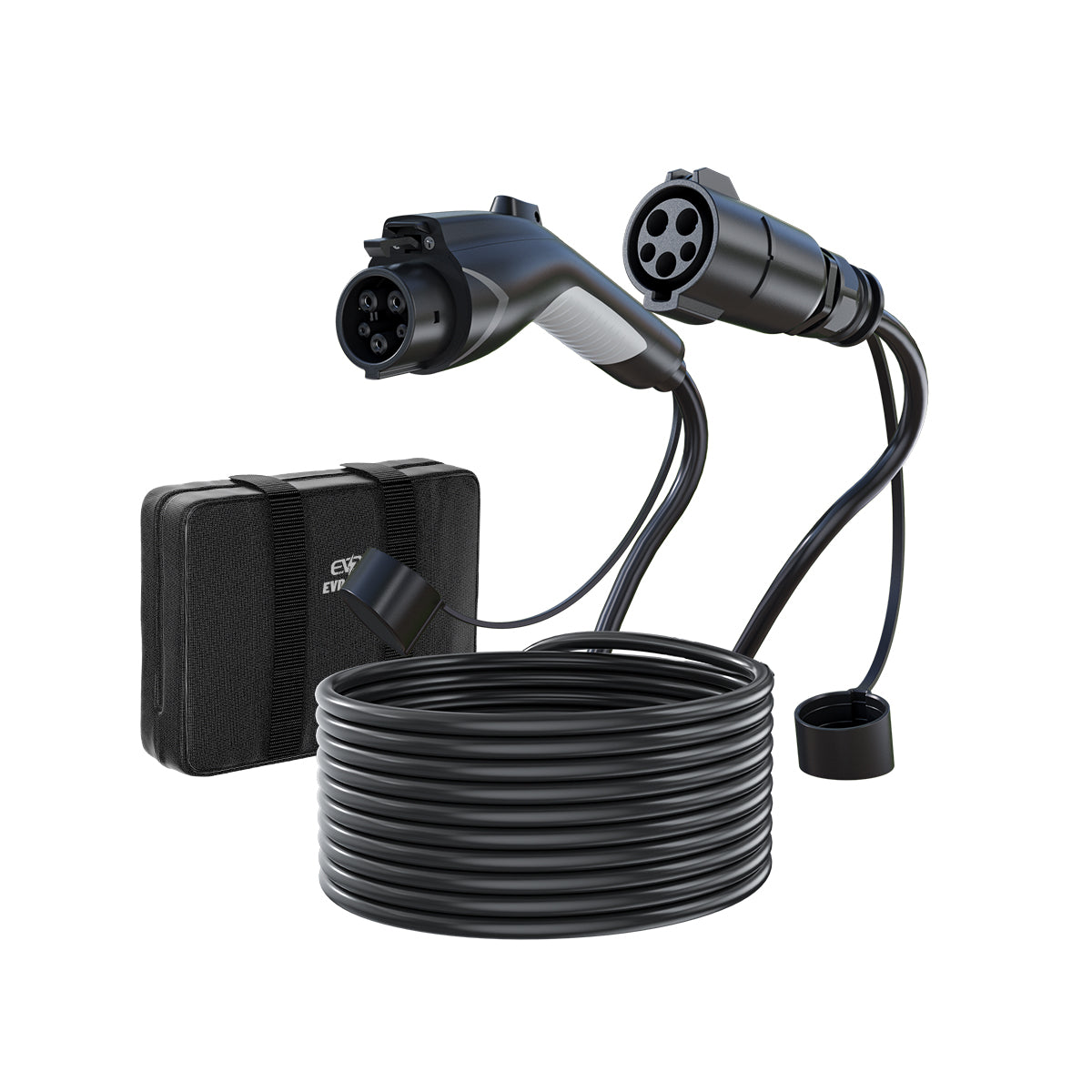
Rallonge électrique EVDANCE J1772 32 A 21/40 pi
Connector
Cable
Cable
Circuit
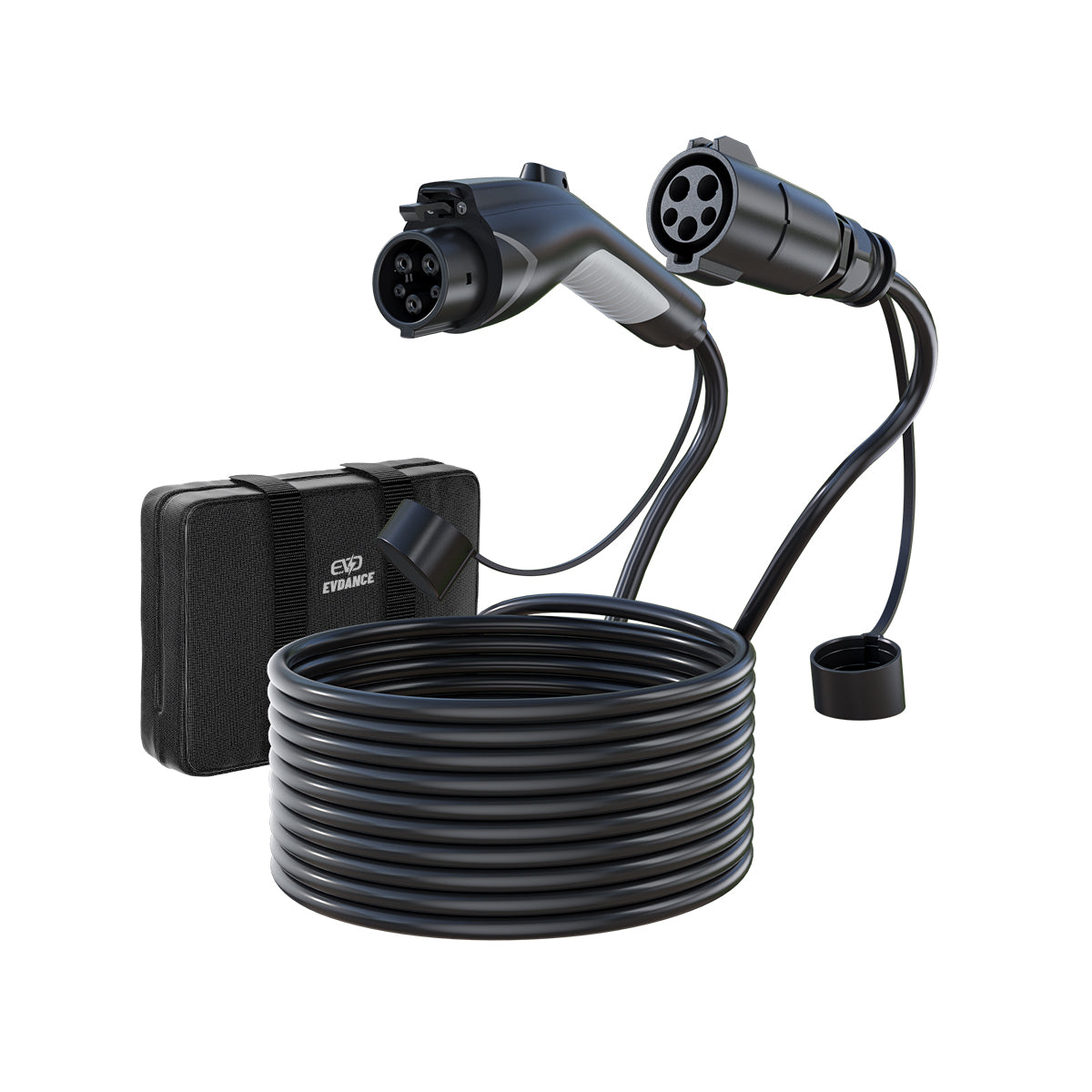
Câble d'extension EVDANCE J1772 40A 21FT
Connector
Cable
Cable
Cable
Circuit
EV Blog
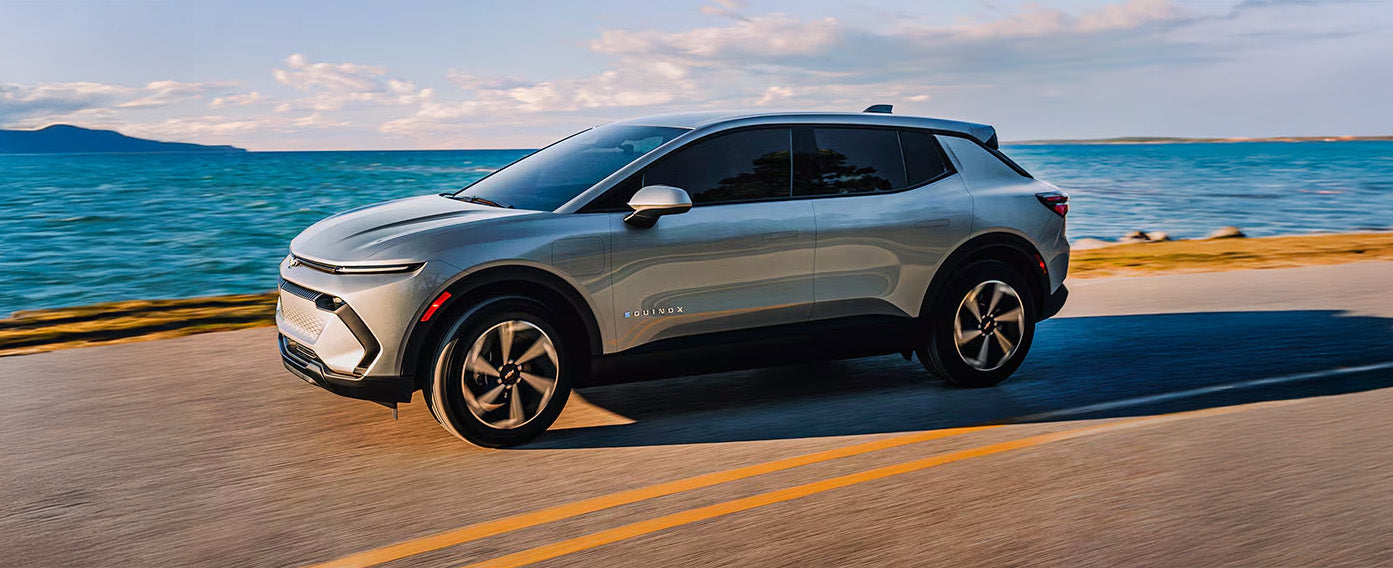
2028 Chevy Equinox EV Update Timeline
Industry reports suggest GM is developing a next-generation Chevrolet Equinox EV for late 2028 or early 2029, featuring a new EV platform, centralized computing, and updated electrical architecture while the current model continues to receive incremental upgrades.
Germany EV Sales Overtake Gas Cars
Germany's battery-electric vehicle registrations surpassed every other powertrain in June 2026, marking a milestone for Europe's largest auto market while EVs continue expanding their share of new-car sales.