


Tesla posted year-over-year sales growth in California during the second quarter, signaling a recovery in its largest U.S. market. While registrations remain below earlier peak levels, the company's performance has improved despite a challenging environment for both Tesla and the broader EV industry.

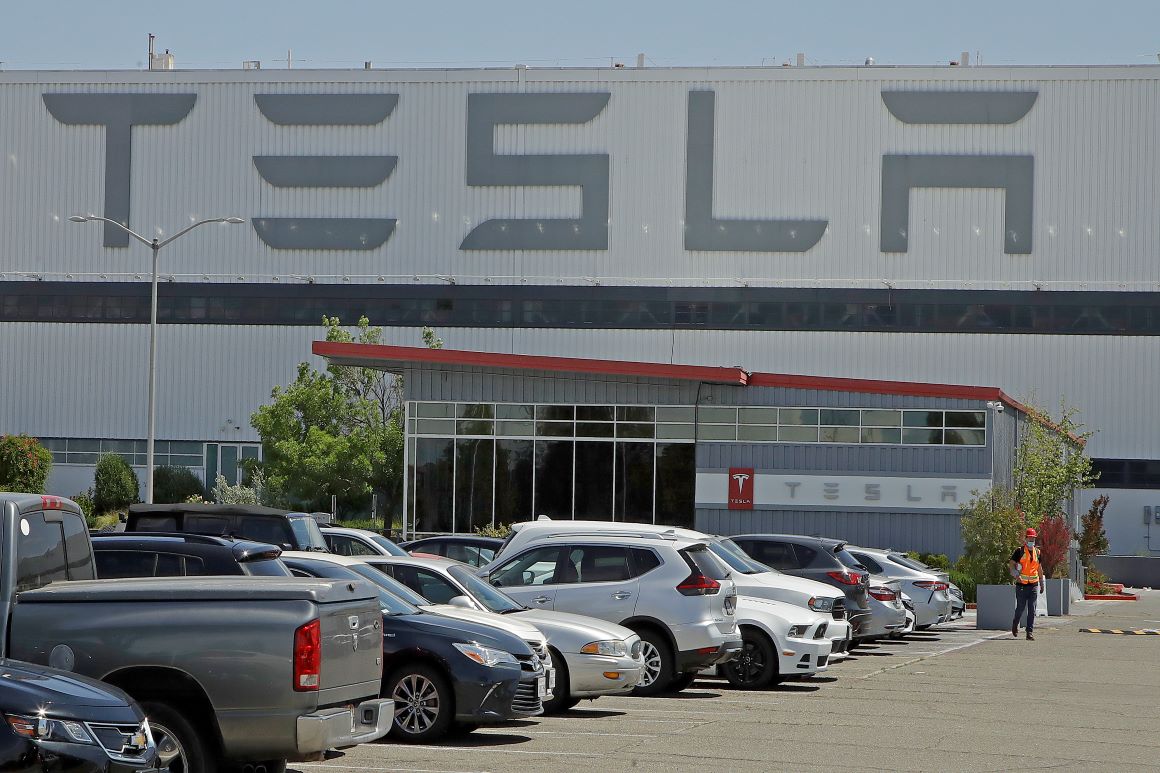
Tesla Cybertruck parked in a dealership lot alongside other Tesla vehicles, with a large red Tesla sign and hills in the background under a clear blue sky.

Tesla Returns to Growth in California

Tesla's performance in California improved during the second quarter, reversing some of the weakness seen over the past year.

According to registration data released by the California New Car Dealers Association (CNCDA) using Experian statistics, Californians registered 45,953 new Tesla vehicles during the quarter. That represents an 11.8% increase compared with the same period last year.

The rebound follows a difficult stretch in which Tesla experienced slowing demand amid changing market conditions and growing public scrutiny surrounding CEO Elon Musk. Although the latest results do not fully restore the company's previous sales levels, they indicate that Tesla has regained momentum in one of the country's most important electric vehicle markets.


Registrations Remain Below Earlier Highs

Despite the recent improvement, Tesla has not completely returned to its strongest historical performance in California.

Quarterly registrations remain below the figures recorded during 2024, and the company's cumulative registrations for the year are still lower than they were at the same point last year. Even so, California continues to perform better for Tesla than the national market.

Industry estimates suggest Tesla's U.S. sales declined during the most recent quarter overall, making California one of the company's relatively stronger regions. The contrast highlights how local market conditions continue to support EV adoption even as nationwide demand becomes more uneven.


Model Y Continues to Lead California's Market

Tesla's strongest contributor remains the Model Y, which continued to dominate California's vehicle registrations through June.

More than 54,000 Model Y registrations were recorded during the first half of the year, allowing the electric crossover to remain California's best-selling passenger vehicle regardless of powertrain.

The Model Y maintained a substantial lead over its nearest competitor, the Toyota Camry, outperforming the popular sedan by more than 20,000 registrations.

The results reinforce Tesla's continued strength in California despite increased competition from both established automakers and newer EV manufacturers. While overall market dynamics have shifted, the Model Y remains one of the state's most influential products and continues to play a major role in Tesla's overall sales performance.


California's EV Market Shows Mixed Signals

Tesla's recovery comes as California's broader electric vehicle market experiences a more complex transition.

Overall EV registrations declined compared with the same quarter a year earlier, reflecting slower industry growth following changes to federal purchase incentives. However, quarterly registrations improved significantly compared with the opening months of the year, suggesting that consumer demand has begun to stabilize after an earlier slowdown.

California continues to maintain the highest concentration of electric vehicle adoption in the United States, supported by extensive charging infrastructure, a large base of existing EV owners, and state-level incentive programs. These factors have helped cushion the impact of changing national policies while preserving California's position as the country's leading EV market.


Hybrid Vehicles Are Expanding Faster Than EVs

Although California remains the country's largest electric vehicle market, hybrid vehicles are currently growing at a faster pace.

During the second quarter, battery-electric vehicles accounted for 17.8% of new vehicle registrations in the state. That share is roughly three times higher than the national average and only slightly below the level recorded during the same period in 2025. However, it remains below California's 2024 average, when EVs represented approximately 22% of annual new-car sales.

At the same time, hybrid vehicles continued gaining momentum. Their market share reached 23.2% in the second quarter, overtaking battery-electric vehicles as consumers increasingly sought models that combine improved fuel efficiency with fewer charging concerns.

So far this year, Californians have registered more than 191,000 hybrid vehicles, compared with just over 137,000 battery-electric vehicles, highlighting a noticeable shift in buyer preferences.


California Remains the Nation's EV Leader

Even with slower growth, California continues to outperform every other U.S. state in EV adoption.

The state's extensive public charging infrastructure, supportive state incentives, and large community of existing EV owners have helped maintain stronger demand than many other regions. These advantages have softened the impact of changing federal policies and a more challenging national market.

However, the latest figures also suggest California's EV market is entering a more mature phase. Rather than experiencing rapid expansion every year, growth is becoming steadier as consumers weigh battery-electric vehicles alongside an increasing number of hybrid options.

Manufacturers will likely face stronger competition across multiple powertrain categories as buyers prioritize affordability, convenience, and long-term operating costs.


Tesla's Recovery Reflects Regional Strength

Tesla's latest registration figures indicate that California remains one of the company's most resilient markets.

Although overall U.S. demand has weakened compared with previous years, Tesla continues to benefit from strong brand recognition, an established Supercharger network, and the sustained popularity of the Model Y. These factors have helped the company recover faster in California than in many other parts of the country.

Looking ahead, Tesla's performance will likely depend not only on EV demand but also on how quickly hybrid adoption continues to expand. As California's vehicle market becomes increasingly diversified, maintaining leadership may require stronger competition across pricing, technology, and product offerings.

Tesla Cybertruck Dual Motor AWD Base Model Explained

FAQ

Did Tesla's sales increase in California?

Yes. Tesla registered 45,953 vehicles in California during the second quarter, representing an 11.8% year-over-year increase, according to CNCDA registration data.

Is Tesla still California's best-selling EV brand?

Yes. The Tesla Model Y remained the state's best-selling vehicle overall through June, with more than 54,000 registrations, maintaining a substantial lead over competing models.

Are EV sales still growing in California?

The market has become more mixed. While EV registrations declined compared with the same quarter last year, they increased significantly compared with the first quarter, suggesting demand has begun to recover.

Why are hybrids becoming more popular?

Many buyers are choosing hybrids because they offer improved fuel efficiency without relying entirely on public charging infrastructure. As a result, hybrid registrations are currently outpacing battery-electric vehicle sales in California.

Does California still lead the U.S. in EV adoption?

Yes. California continues to have the highest EV market share in the country, supported by extensive charging infrastructure, state incentives, and a large population of existing EV owners.

Recommend Reading: Tesla Sales Recovery Faces Its Next Big Test

You Might Be Interested