





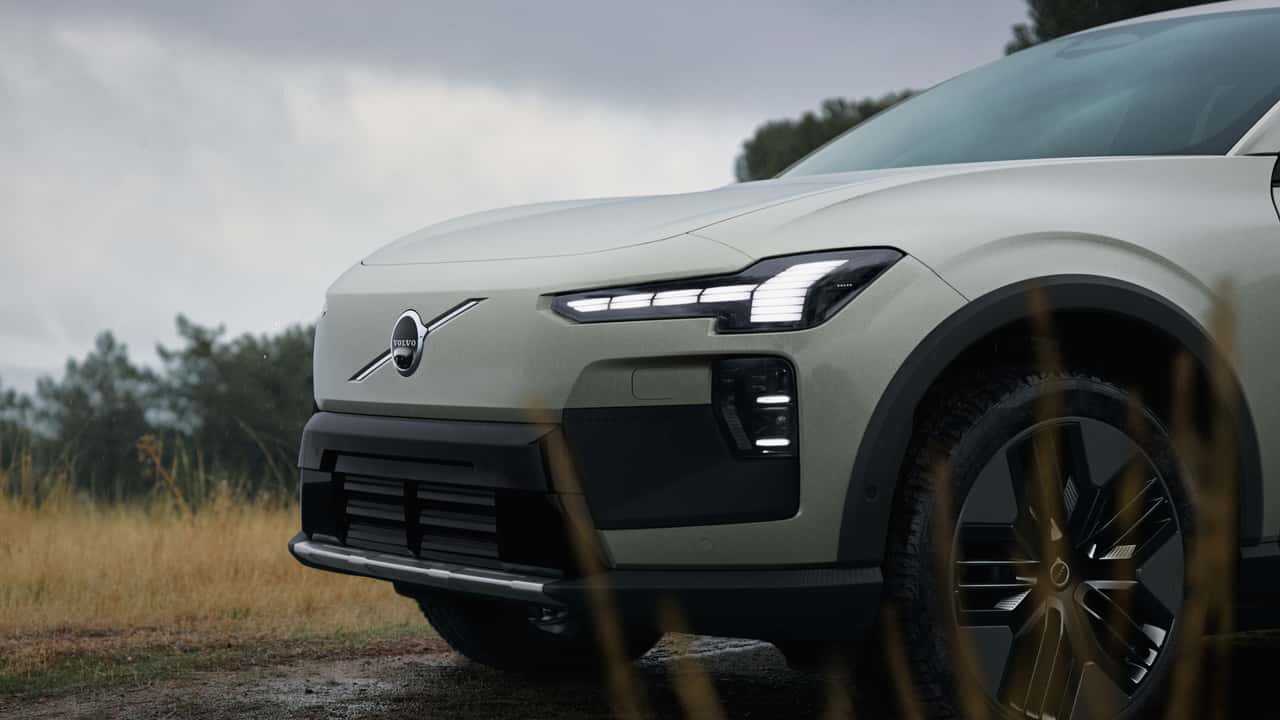
Volvo is reportedly considering bringing an all-electric sedan and wagon to the U.S. as early as 2028, marking a possible return to a vehicle segment it exited only recently. If the plan moves forward, the models would expand Volvo's EV lineup beyond SUVs while offering American buyers more body-style choices.
Although the company has not confirmed the report, the move would reflect growing confidence that premium electric sedans and wagons still have a place in the North American market despite the industry's long-running SUV boom.

A Possible Return to Passenger Cars
For the past several years, Volvo has steadily shifted its product strategy toward crossovers and SUVs. The company ended production of the S60 in North America during 2024, followed by the discontinuation of the S90 sedan and V60 wagon, effectively leaving the U.S. passenger-car market.
That strategy aligned with broader industry trends, as consumer demand increasingly favored utility vehicles. However, recent reports suggest Volvo may be preparing to reverse part of that decision by reintroducing both an electric sedan and an electric wagon within the next few years.
While the automaker has declined to discuss future products, industry sources indicate that both vehicles are currently under development for Europe and could eventually be added to Volvo's American lineup.
Changing Market Conditions Could Influence Volvo's Strategy
Several developments may explain why Volvo is reconsidering electric passenger cars.
Although SUVs continue to dominate sales, interest in premium electric sedans has remained relatively stable, particularly among buyers seeking improved efficiency, lower ride heights, and better driving dynamics. At the same time, several manufacturers have recently signaled renewed investment in traditional passenger-car segments after years of concentrating almost exclusively on crossovers.
Another factor is the changing competitive landscape for premium EV brands.
Following regulatory restrictions affecting certain Chinese-developed vehicle technologies in the United States, some manufacturers have faced increasing challenges bringing specific electric models into the market. Industry observers believe this could create opportunities for Volvo to serve customers who might otherwise have considered vehicles in similar categories.
Volvo itself remains in a unique position. Although the company is owned by Geely, its products continue to be developed and marketed separately, allowing the brand to pursue its own long-term product strategy in key global markets.
New Architecture Could Deliver Major Performance Improvements
If the reported vehicles arrive, they are expected to utilize Volvo's next-generation SPA3 electric platform.
This architecture is designed to support multiple vehicle types while incorporating significant improvements in charging performance, efficiency, and software capability. It will also underpin the upcoming EX60, allowing Volvo to share technology across several future electric models.
One of the platform's biggest advantages is its 800-volt electrical system, which enables substantially faster DC fast charging than previous generations. Current expectations suggest compatible vehicles could recharge from 10% to 80% battery capacity in approximately 19 minutes under ideal charging conditions.
Driving range is also expected to improve. Depending on battery configuration, wheel size, and aerodynamic design, estimates indicate these future models could approach 400 miles of driving on a full charge.
Higher-performance versions may also benefit from dual-motor configurations capable of producing approximately 670 horsepower, although Volvo has not confirmed final specifications for any future sedan or wagon.
Expected Positioning and Pricing
The reported sedan and wagon are not expected to be U.S.-exclusive products. Instead, they would likely be adapted from models already planned for the European market, reducing development costs while allowing Volvo to expand its global EV portfolio.
Although official model names have not been announced, industry reports suggest Volvo may revive familiar badges associated with its previous passenger cars. Using established nameplates could help reconnect longtime customers with the brand while reinforcing Volvo's reputation for practical luxury vehicles.
Pricing is expected to begin at approximately $50,000, placing both vehicles in the premium EV segment. Rather than pursuing high-volume sales, Volvo reportedly expects annual U.S. demand of roughly 10,000 combined units, indicating these models would serve as niche offerings rather than mainstream volume leaders.
That strategy aligns with Volvo's broader emphasis on profitability over sales volume. By targeting buyers seeking premium electric alternatives outside the crowded SUV category, the company could occupy a relatively underserved space in the market.
Why Electric Wagons Still Matter
While wagons represent only a small portion of U.S. vehicle sales today, they continue to attract loyal buyers who value cargo flexibility without the larger dimensions of an SUV.
Electric powertrains may make wagons even more attractive. Their lower ride height generally improves aerodynamic efficiency compared with similarly sized SUVs, potentially increasing driving range while maintaining generous interior space.
For Volvo, wagons also remain an important part of its brand identity. The company built its reputation on practical family vehicles for decades, and bringing an electric wagon back to North America would reinforce that heritage while supporting its transition toward an all-electric future.
If successful, the move could encourage additional automakers to reconsider passenger cars as battery technology continues to improve.
What It Could Mean for the U.S. EV Market
Although SUVs remain the dominant choice for American consumers, demand within the EV market is gradually becoming more diverse. Buyers are increasingly looking for vehicles that match different lifestyles rather than simply following traditional body-style trends.
Should Volvo introduce both an electric sedan and wagon in 2028, it would provide premium EV shoppers with alternatives beyond large crossovers. Combined with next-generation charging technology, competitive driving range, and Volvo's established safety reputation, the vehicles could appeal to drivers seeking practicality without sacrificing efficiency.
For now, the project remains unconfirmed. However, the reported plans suggest Volvo continues to see long-term potential in passenger cars even as much of the industry remains focused on SUVs. If production proceeds as expected, the company's return to the sedan and wagon segments could become one of the more notable developments in the premium EV market over the next several years.

FAQ
Why is Volvo reportedly bringing back an electric sedan and wagon?
Industry reports suggest Volvo wants to broaden its EV portfolio beyond SUVs. Premium sedans and wagons still attract buyers who prioritize efficiency, driving dynamics, and practicality.
Will these new Volvo EVs use a new platform?
Yes. Reports indicate both models will be built on Volvo's SPA3 architecture, which supports 800-volt charging, improved software integration, and higher overall efficiency.
How fast could the new Volvo EVs charge?
Vehicles based on the SPA3 platform are expected to recharge from 10% to 80% in roughly 19 minutes under suitable fast-charging conditions.
When could the electric sedan and wagon arrive in the United States?
According to industry reports, Volvo is evaluating a 2028 U.S. launch. The company has not officially confirmed the timing or product plans.
How much might these vehicles cost?
Current reports point to a starting price of approximately $50,000, positioning both models within the premium electric vehicle segment.
Recommend Reading: Why Volvo Is Ending the EX30’s Short Run in the U.S.







Share:
Scout Traveler and Terra: Are They Worth Waiting For?