





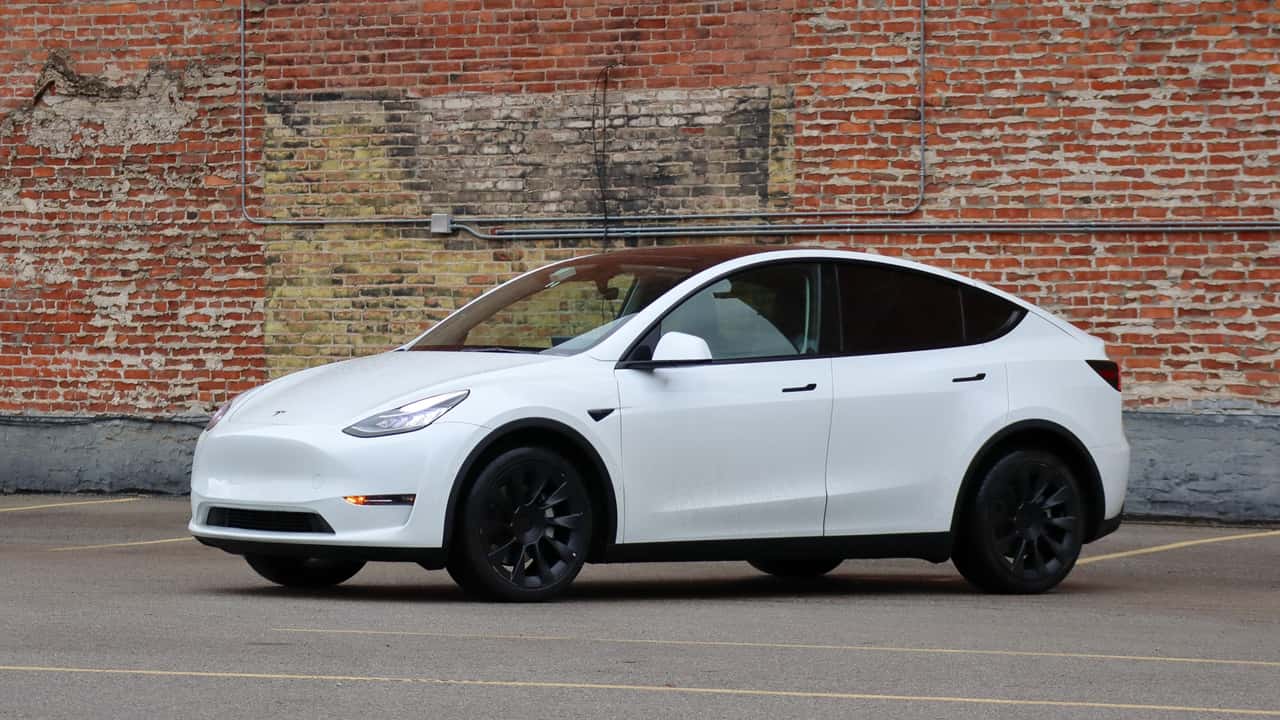
Battery-electric vehicles became Germany's best-selling powertrain in June, surpassing gasoline, diesel, plug-in hybrids, and conventional hybrids for the first time. The milestone reflects accelerating EV adoption in Europe's largest automotive market, although electric vehicles still account for only a small share of the country's total vehicle fleet.

Electric Vehicles Take the Top Spot
Germany reached a significant turning point in June as battery-electric vehicles (BEVs) recorded the highest number of new registrations among all powertrain types.
According to data released by the Federal Motor Transport Authority (KBA), 84,057 new battery-electric vehicles were registered during the month, representing a 78.2% year-over-year increase. That total narrowly exceeded 83,315 registrations for conventional hybrid vehicles, while gasoline-powered cars followed with 60,796 units. Diesel models recorded 33,862 registrations, and 32,212 plug-in hybrids entered the market.
The results gave pure electric vehicles a 28.4% market share, slightly ahead of hybrids at 28.1%. Gasoline vehicles accounted for 20.5%, diesel captured 11.4%, and plug-in hybrids represented 10.9% of all newly registered passenger cars.
Germany's Overall Car Market Continued to Grow
The strong performance of electric vehicles came during a month of broader growth across Germany's automotive market.
A total of 296,378 new passenger vehicles were registered in June, marking a 15.7% increase compared with the same month a year earlier. The figure also represented a noticeable improvement over May, when registrations totaled 239,448 units.
This combination of rising overall vehicle demand and rapidly expanding EV sales suggests that battery-electric models are no longer growing solely by replacing other powertrains. Instead, they are becoming an increasingly important part of Germany's overall new-car market.
As Europe's largest automotive economy, Germany is often viewed as a leading indicator for broader EV adoption across the region. Continued growth in the country may influence consumer confidence and product strategies in neighboring European markets.
Tesla Model Y Returned to the Top of the EV Rankings
Among individual electric models, the Tesla Model Y delivered the strongest performance during June.
The crossover recorded 6,023 registrations, making it not only the month's best-selling battery-electric vehicle but also the third best-selling passenger vehicle overall across every fuel type.
Behind Tesla, the Volkswagen ID.3 secured second place in the EV category with 3,514 registrations, followed closely by the Skoda Enyaq at 3,383 units.
The rankings also marked a change in market leadership. The Skoda Elroq, which had previously led Germany's EV sales charts, dropped behind the Model Y after Tesla experienced renewed demand during the month.
Volkswagen Remains Germany's Largest Automotive Brand
Although Tesla led the battery-electric segment, Volkswagen continued to dominate Germany's overall automotive market.
The German manufacturer recorded 51,058 total vehicle registrations during June, maintaining a comfortable lead over its competitors. BMW ranked second with 26,119 registrations, while Skoda completed the top three with 24,963 newly registered vehicles.
These results illustrate that traditional automakers continue to hold strong positions in overall sales while simultaneously expanding their electric vehicle portfolios. Volkswagen, in particular, remains one of Europe's most important EV manufacturers through models such as the ID.3 and ID.7, alongside its broader lineup of gasoline, hybrid, and plug-in hybrid vehicles.







Share:
Pilot EV Charging Network Reaches 300 Sites