





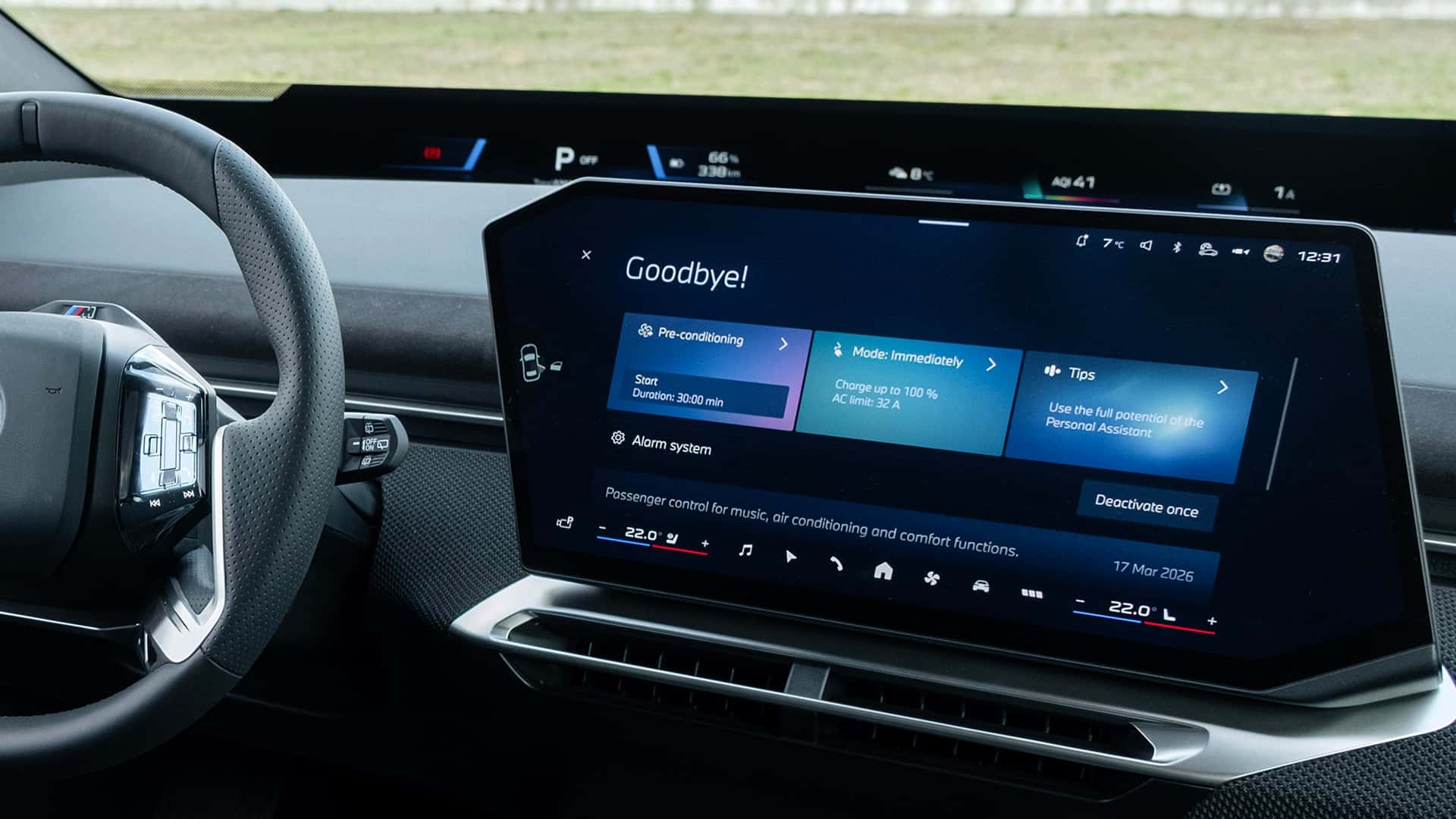
Modern vehicles are showing fewer quality issues overall, but infotainment systems remain the biggest source of customer complaints. According to the latest vehicle quality findings, problems involving touchscreen interfaces, smartphone connectivity, and digital controls continue to affect the ownership experience more than any other category.

Infotainment Remains the Weakest Area for New Vehicles
Vehicle quality has generally improved compared with the previous year, with buyers reporting fewer issues during the first 90 days of ownership across most categories. However, digital interfaces remain a notable exception.
Among mass-market vehicles, 44.4 infotainment-related problems were reported for every 100 vehicles, making multimedia systems the most frequently criticized feature. While manufacturers have reduced issues involving mechanical components, many customers continue to encounter software-related frustrations after taking delivery of a new vehicle.
As automakers increasingly centralize vehicle functions on large displays, infotainment performance has become more important than ever. Navigation, climate settings, communication, entertainment, and vehicle configuration are now commonly accessed through a single touchscreen, meaning software problems can affect everyday driving.
Smartphone Integration Creates New Challenges
A major reason for continued complaints is the growing dependence on smartphones. Features such as Apple CarPlay, Android Auto, Bluetooth, Wi-Fi, and companion mobile apps must operate reliably across multiple software ecosystems.
According to the study, connectivity issues accounted for 6.1 problems per 100 vehicles, while Apple CarPlay and Android Auto represented 3.8 of those cases, making smartphone projection the largest contributor to declining infotainment quality.
Unlike traditional automotive hardware, smartphones receive operating system updates several times each year. Every new release from Apple or Google may require automakers to verify compatibility with their own software platforms before delivering updates to customers. This difference in development cycles can create temporary incompatibilities that affect the user experience.
In addition to screen mirroring, manufacturers also face challenges with mobile applications used for remote locking, climate control, charging management, and vehicle monitoring.
Large Touchscreens Face Growing Consumer Resistance
Digital displays have become standard equipment in modern vehicles, but many drivers say they come with usability drawbacks.
One of the most common concerns is distraction. Instead of adjusting vehicle settings with dedicated switches, drivers often need to navigate multiple on-screen menus to complete simple tasks. This can increase the amount of time spent looking away from the road.
Survey results indicate that 46% of drivers who reported distraction-related issues identified the touchscreen interface as the primary cause. Complaints frequently involve functions such as adjusting climate controls, changing audio settings, or accessing commonly used vehicle features.
The findings suggest that software usability is becoming just as important as traditional measures of vehicle quality.
Automakers Are Rethinking Interior Controls
Growing customer feedback has prompted several manufacturers to reconsider how digital controls are implemented.
Some companies are restoring physical buttons for frequently used functions after years of moving nearly every control onto a touchscreen. Others are simplifying interface layouts or redesigning software to reduce menu complexity.
Industry discussions have increasingly emphasized balancing modern technology with ease of operation. Regulators and safety organizations have also expressed interest in ensuring essential vehicle functions remain accessible without creating unnecessary driver distraction.
At the opposite end of the spectrum, some emerging EV manufacturers are experimenting with extremely minimalist interiors. Rather than installing large integrated infotainment systems, these vehicles rely more heavily on customers' own smartphones or optional accessories, reducing software complexity while lowering production costs.
Overall Vehicle Quality Continues to Improve
Although infotainment remains the industry's weakest category, the broader picture is more positive.
The latest quality data shows improvements across numerous areas, including driver assistance systems, electric vehicle driving range, cabin noise levels, and manufacturing quality. These gains suggest manufacturers are continuing to refine both vehicle engineering and production processes.
Interestingly, one of the biggest improvements came from a much simpler feature: cupholders. Better placement and improved compatibility with different cup and bottle sizes contributed to higher customer satisfaction, demonstrating that practical usability can have a meaningful impact on owners' daily experiences.
The findings illustrate an important shift within the automotive industry. While manufacturers continue investing heavily in software-defined vehicles, customers remain focused on reliability, intuitive controls, and ease of use. As vehicles become increasingly digital, delivering stable software may prove just as critical as building dependable engines, batteries, or suspension systems.

FAQ
Why are infotainment systems receiving the most complaints?
Infotainment systems combine navigation, media, connectivity, and vehicle settings into one platform. Because they interact with smartphones and multiple software systems, they are more susceptible to bugs and compatibility issues than many traditional vehicle components.
What causes Apple CarPlay and Android Auto problems?
Frequent updates from Apple and Google can create compatibility challenges with vehicle software. Automakers must test and validate their systems before releasing updates that maintain reliable operation.
Why do some drivers dislike large touchscreens?
Many drivers believe touchscreen controls require too much attention while driving. Accessing common functions through menus can increase distraction compared with using physical buttons.
Are automakers bringing back physical controls?
Several manufacturers have indicated they are adding more physical buttons for commonly used features. The goal is to improve usability while maintaining modern digital interfaces.
Is overall vehicle quality getting better?
Yes. Recent quality data indicates fewer customer-reported problems across most vehicle categories. Improvements were recorded in areas such as driver assistance technologies, EV performance, cabin refinement, and manufacturing quality, although infotainment remains the industry's largest concern.
Recommend Reading: Android Auto Update Expands Across More Car Screens


Share:
Shell EV Concept Showcases New Battery Cooling Technology
California EV Rebate Plan Targets First-Time Buyers