





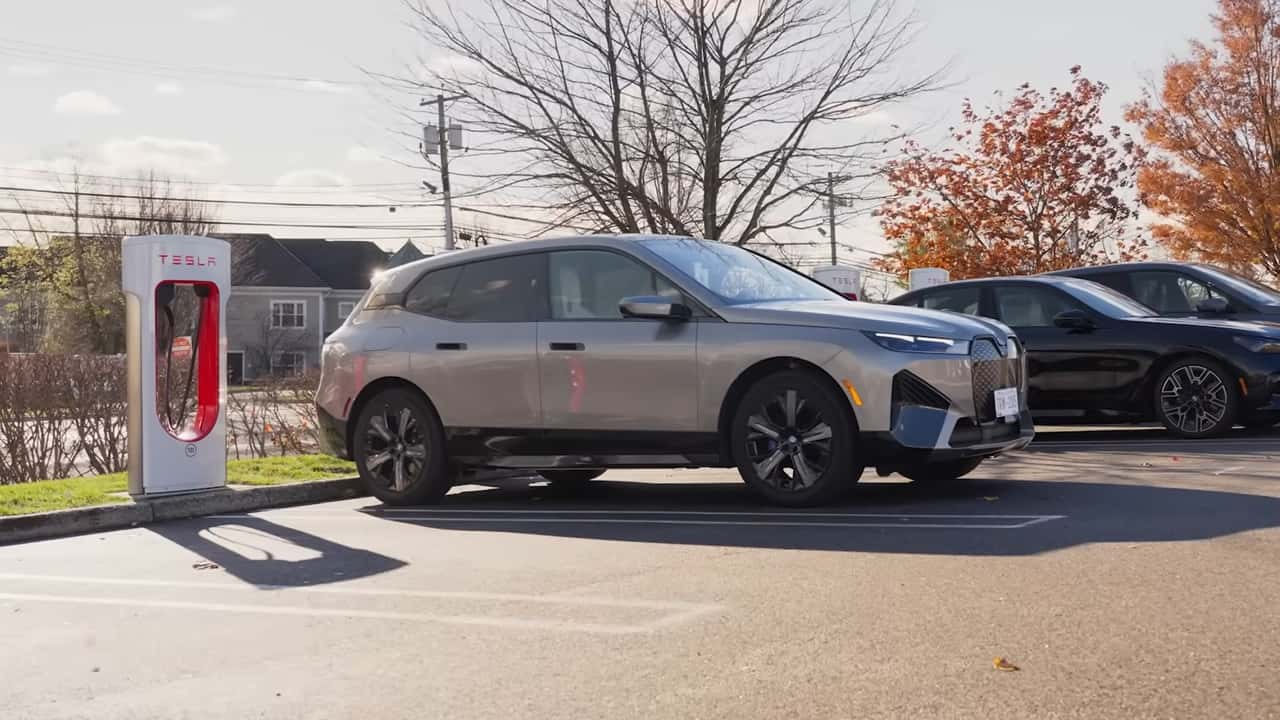
Congressional lawmakers are proposing a new annual federal fee for electric vehicle owners to help fund road maintenance. If approved, EV drivers would begin paying $130 per year starting in 2029, with the amount gradually increasing over time.
The proposal is part of a broader transportation funding package designed to address declining fuel tax revenue as more drivers switch away from gasoline-powered vehicles.

Why Congress Wants To Charge EV Drivers
Federal highway repairs in the United States are largely funded through gasoline taxes. Because battery-electric vehicles do not use gasoline, their owners currently contribute little or nothing to the federal fuel tax system.
Lawmakers backing the proposal argue that this creates a growing funding imbalance as EV adoption rises nationwide.
Representative Sam Graves, chairman of the House Transportation and Infrastructure Committee, said the legislation is intended to ensure electric vehicle owners contribute toward maintaining roads and bridges.
Under the proposal:
- Fully electric vehicles would pay $130 annually
- Plug-in hybrids would pay $35 per year
- Beginning in 2029, both fees would gradually rise every two years
- The EV fee would eventually increase to $150
- Plug-in hybrid charges would rise to $50
The plan is included in a draft transportation bill tied to the federal Highway Trust Fund.
Critics Say The Fee Is Too High
Environmental organizations and EV advocacy groups strongly criticized the proposal, arguing the charges are disproportionate compared to what gasoline vehicle owners currently pay through fuel taxes.
According to research cited by Consumer Reports, the average American driver contributes roughly $70 to $90 annually through the federal gasoline tax. That amount is significantly lower than the proposed EV charge.
Opponents argue that the new fee effectively penalizes drivers who adopted cleaner transportation technology.
The Sierra Club described the measure as counterproductive at a time when governments are still attempting to reduce transportation emissions. Other industry groups warned that the policy could discourage consumers from switching to electric vehicles.
Flat Fees Create Other Problems
Another criticism centers on how the proposal treats all EV drivers equally regardless of mileage.
Unlike fuel taxes, which increase naturally as drivers consume more gasoline, a fixed annual charge does not account for how often a vehicle is actually used.
Consumer advocates say this could unfairly affect:
- Retirees who drive infrequently
- Urban residents with short commutes
- Households using EVs as secondary vehicles
At the same time, commercially operated vehicles that travel far greater distances could end up paying relatively less per mile under a flat-fee structure.
Analysts have pointed to delivery fleets, ride-hailing services, and future robotaxi operators as examples of high-mileage vehicles that may not contribute proportionally under this system.
States Already Charge EV Registration Fees
The proposed federal charge would come on top of existing state-level fees already imposed in many parts of the country.
Several states introduced their own EV registration surcharges in recent years to offset declining fuel tax income.
Some of the current examples include:
- Michigan: EV owners are expected to pay roughly $267 in annual registration-related fees in 2026
- New Jersey: Electric vehicle registration costs approximately $270, with multiple years collected upfront
- Plug-in hybrid fees in many states are also increasing annually
Because of these existing state programs, critics say a new nationwide fee could substantially raise ownership costs for electric vehicle drivers.
Federal Gas Taxes Have Not Changed Since 1993
The debate also highlights a broader issue surrounding transportation funding in the United States.
The federal gasoline tax currently stands at 18.3 cents per gallon, a rate that has remained unchanged since 1993. Inflation, improved fuel economy, and rising EV adoption have steadily reduced its purchasing power over time.
As a result, lawmakers from both political parties have searched for alternative funding methods for years.
Some transportation analysts argue that mileage-based systems would provide a more accurate solution because they directly reflect how much drivers use public roads. However, such systems raise privacy and implementation concerns.
For now, Congress appears to be revisiting simpler flat-fee proposals instead.
The Proposal Still Faces Political Hurdles
The legislation has not yet become law. Before taking effect, it must move through both chambers of Congress and receive presidential approval.
Supporters hope to finalize a transportation funding package before the current authorization expires on September 30.
Given the political debate surrounding electric vehicles, taxes, and infrastructure funding, the proposal is likely to face heavy scrutiny during negotiations.

FAQ
Why does Congress want EV owners to pay a fee?
Federal road repairs are funded mainly through gasoline taxes. Since EVs do not buy gasoline, lawmakers argue that electric vehicle owners should contribute through a separate annual charge.
How much would the new EV fee cost?
The proposal would start at $130 per year for fully electric vehicles and $35 for plug-in hybrids. Both fees would gradually increase over time.
When would the federal EV fee begin?
If approved, the new charges would begin in 2029 as part of a long-term transportation funding plan.
Do EV owners already pay extra fees in some states?
Yes. Many states already impose separate EV registration fees. In some states, those charges already exceed $250 annually.
Why are critics opposed to the proposal?
Opponents argue the fee is higher than what most gasoline vehicle owners pay in federal fuel taxes. They also say flat fees do not reflect how much a person actually drives.
Has the bill officially passed?
No. The proposal still needs approval from both the House and Senate before it can become federal law.
Recommend Reading: California Targets First-Time EV Buyers With New State Rebate Plan


Share:
New ultra fast EV chargers coming to the US
Costco Discount Lowers Chevy Bolt EV Price