





Chinese electric vehicle manufacturers have started shipping cars into Canada after the country sharply reduced import duties earlier this year. The move is already allowing several Chinese brands to establish test fleets, dealer networks, and certification programs ahead of broader market launches.
Canada lowered tariffs on Chinese-made vehicles from 100% to 6.1% in January, creating a much easier entry path for automakers that had previously been priced out of the market.

Chery And Geely Move Quickly Into Canada
Some of the first visible signs of the policy change came from Chinese manufacturers Chery and Geely, both of which have reportedly begun delivering vehicles into Canada.
A video posted online earlier this month showed several unidentified Chinese vehicles parked in the Toronto area with branding partially covered. Reports later suggested the vehicles included the Jaecoo J5, Omoda 9 plug-in hybrid SUV, and the Exelantis ES sedan, all connected to Chery-owned brands.
Several of the vehicles were reportedly carrying manufacturer registration plates, indicating they may already be undergoing testing, certification, or promotional evaluations rather than retail sales.
Initial Vehicles Are Not Yet For Retail Buyers
Industry reports indicate that approximately 150 vehicles have already been shipped into Canada during the first phase of Chery’s expansion effort. However, those units are not expected to be immediately available for public purchase.
Instead, the imported vehicles are believed to be reserved for:
- Regulatory certification
- Dealer training
- Media demonstrations
- Test-drive programs
- Engineering validation
The strategy mirrors how many automakers prepare for entry into a new market before opening direct customer sales.
According to reports, Chery’s next stage could involve another 1,000 vehicles arriving within roughly three months, alongside the development of an initial dealership network. Early plans reportedly target 10 dealerships by the end of June.
Lotus Becomes One Of The First Chinese EV Brands Approved
Geely-owned Lotus has also accelerated its Canadian operations following the tariff changes.
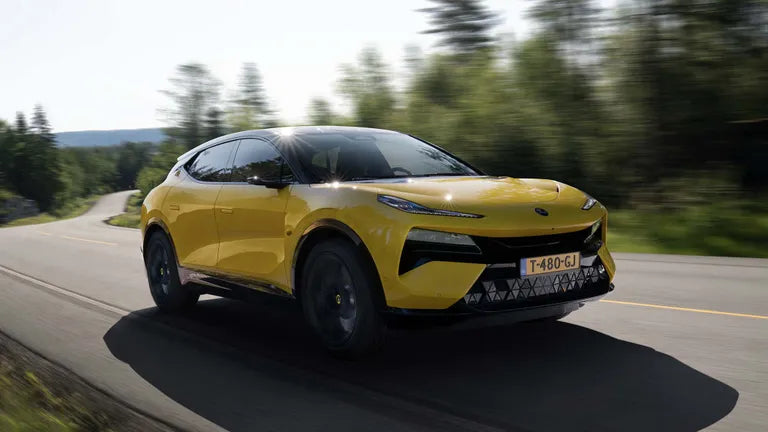
The company recently shipped 18 Lotus Eletre electric SUVs into Canada after the vehicle completed certification under Canadian safety regulations. Geely has stated that it considers itself the first Chinese automaker exporting vehicles to Canada under the updated trade structure.
Lotus had already introduced the Eletre to Canada in 2024, but the latest shipments mark the first major batch following the new tariff agreement.
One of the biggest impacts has been pricing. Reports suggest the Eletre’s Canadian pricing dropped by roughly 50% after tariffs were reduced, dramatically improving its competitiveness in the luxury EV segment.
The brand has already opened six dealerships in Canada and reportedly plans to double that number before the end of the year.
Canada’s Policy Shift Changes North American EV Dynamics
Canada’s decision creates a notable contrast with the United States, where steep tariffs on Chinese-made EVs remain in place.
That difference could reshape the regional market. Canada now sits between two major automotive economies while offering substantially easier access to lower-cost imported EVs. At the same time, many U.S. buyers continue facing high vehicle prices, elevated financing costs, and limited affordable EV choices from domestic manufacturers.
Supporters of Canada’s approach argue that broader competition may help reduce EV prices and accelerate adoption. Critics, however, warn that domestic manufacturing could face stronger pressure if imported models rapidly gain market share.
The Canadian government has not fully opened the floodgates, however. Officials paired the tariff reduction with an annual import ceiling of 49,000 vehicles, limiting how many Chinese-made vehicles can enter the country each year.
That quota means automakers will likely compete aggressively for allocation space, favoring companies that can quickly establish distribution, service networks, and regulatory compliance.
Chinese Automakers Are Expanding Globally
The Canadian market entry reflects a broader international expansion push from Chinese EV manufacturers.
Chinese brands have been increasing exports across Europe, Southeast Asia, the Middle East, and Latin America as production capacity continues growing at home. Many companies are targeting overseas markets with lower-cost EVs, plug-in hybrids, and luxury electric SUVs positioned below Western rivals on price.
Canada’s reduced tariff structure now gives those manufacturers a new foothold in North America, even while the United States maintains far stricter import barriers.
Whether Canadian consumers ultimately embrace these vehicles at scale will depend on pricing, charging infrastructure, long-term reliability, and dealer support. But the first stage of market entry is clearly underway.

FAQ
Why are Chinese EV companies entering Canada now?
Canada reduced tariffs on Chinese-made vehicles from 100% to 6.1% earlier this year. That policy change significantly lowered import costs and made the market financially viable for several automakers.
Which Chinese EV brands have already shipped vehicles to Canada?
Reports indicate that Chery, Geely, and Geely-owned Lotus have already delivered vehicles into Canada. Models from Jaecoo, Omoda, Exelantis, and Lotus have reportedly been spotted or confirmed.
Are these vehicles already available for Canadian customers to buy?
Not yet in most cases. Many of the imported vehicles are currently being used for certification, testing, dealer preparation, and demonstration programs before wider retail sales begin.
Why did Lotus vehicle prices reportedly drop so much?
The reduction in tariffs dramatically lowered import costs. Reports suggest the price of the Lotus Eletre in Canada fell by around 50% after the new trade framework took effect.
Does Canada limit how many Chinese EVs can enter the country?
Yes. Although tariffs were reduced, Canada introduced a yearly cap of 49,000 imported vehicles from China under the current framework.
How does Canada’s policy differ from the United States?
The U.S. continues to impose steep tariffs on Chinese-made EVs, making large-scale imports difficult. Canada’s lower tariff structure creates a much easier pathway for Chinese automakers to enter the market.
Recommend Reading: Is Canada Considering EV Production Partnerships With China?


Share:
Lucid Gravity Robotaxi Program Advances in California
Rivian AI Assistant Begins Rolling Out to Users Now