





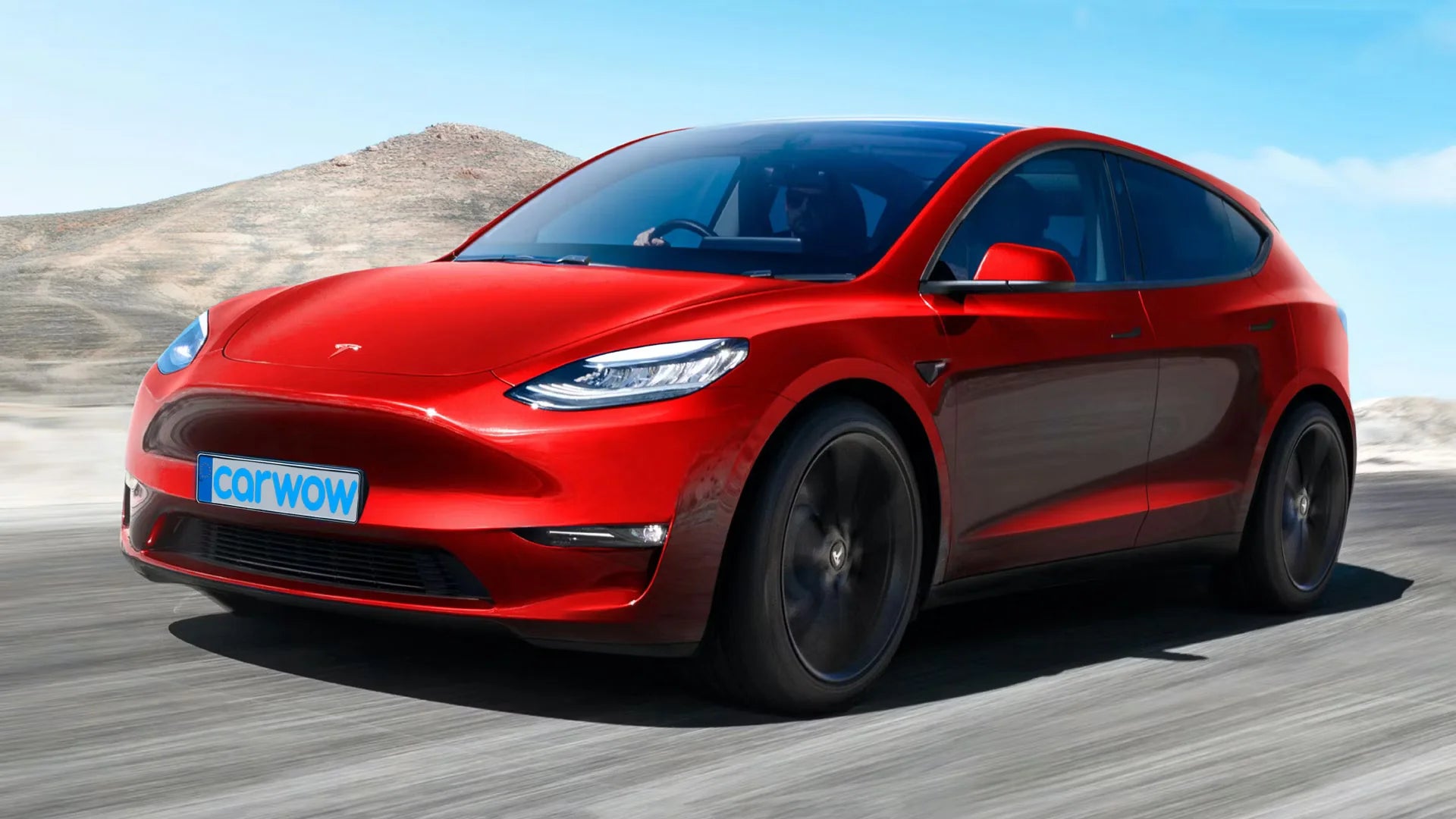
A Global Surge in EV Interest
Recent sales data from March suggests a clear pattern: increasing fuel costs are pushing more consumers toward electric vehicles across many regions. Analysts tracking transportation trends report a noticeable spike in interest, with demand accelerating wherever supply is readily available.
According to industry observers, the relationship is straightforward—when gasoline becomes more expensive, buyers begin to reconsider long-term operating costs, making electric options more appealing. This effect is especially visible in markets where EV availability is strong and pricing is competitive.

Asia-Pacific Markets Lead the Momentum
In regions such as Southeast Asia and Australia, the shift toward electric mobility has been particularly pronounced. These markets rely heavily on imported oil, making them more sensitive to fluctuations in global energy prices. As fuel costs climb, the economic case for EVs strengthens quickly.
A key factor behind this rapid adoption is the strong presence of Chinese automakers. Their ability to deliver affordable electric models at scale has allowed supply to keep pace with growing demand. Reports from industry participants indicate that some dealerships are experiencing extremely short inventory cycles, with certain models selling out within days. In some cases, customers are being placed on waiting lists due to limited availability.
This combination of high fuel dependency and accessible EV supply has created conditions for what some analysts describe as a sharp acceleration in adoption rates.
Europe Sees Record-Breaking Growth
Europe is also experiencing a surge in electrified vehicle sales. Data from market research firms shows that March marked a new high for both fully electric cars and plug-in hybrids.
The growth is being driven by multiple factors. Government incentives continue to play a role in lowering the upfront cost of ownership, while rising fuel prices add further pressure on consumers to consider alternatives. As a result, plug-in vehicle sales increased significantly compared to both the previous month and the same period last year.
This dual support—from policy and market conditions—has helped sustain strong momentum across European markets, positioning the region as one of the leaders in EV adoption.
The U.S. Market Faces a Different Reality
While global trends point upward, the situation in the United States is notably more complex. Fuel prices have climbed past $4 per gallon nationwide, a level that would typically encourage a shift toward electric vehicles. However, the domestic EV market is not expanding at the same pace as other regions.
One major challenge is supply. Automakers have scaled back or delayed several electric vehicle programs in response to shifting policies and economic uncertainties. As a result, fewer models are available to consumers at dealerships.
This mismatch between rising interest and limited availability is becoming a critical bottleneck. Industry analysts warn that even if consumer demand increases, it cannot translate into higher sales without sufficient inventory.
Declining Sales Despite Growing Interest
Recent figures highlight this imbalance. In the first quarter, EV sales in the U.S. dropped 27% year over year and declined compared to the previous quarter as well. Although March showed a slight recovery in monthly registrations, the broader trend remains downward, with multiple consecutive months of annual declines.
At the same time, there are clear signals that consumer curiosity is increasing. Online platforms such as automotive marketplaces have reported a surge in EV-related searches. Some manufacturers have also noted short-term gains in electric vehicle sales between February and March.
However, these indicators have not yet translated into sustained market growth. The limited selection of available models continues to restrict purchasing decisions.
Fewer Choices on Dealer Lots
Another contributing factor is the reduction in product offerings. Several anticipated or existing electric models have been discontinued or postponed, while automakers shift attention back toward traditional internal combustion vehicles or hybrid options.
This contraction in the lineup reduces consumer choice at a time when interest is rising. For potential buyers who are undecided, the lack of accessible options can delay or entirely prevent a purchase.
Ultimately, the issue is not just demand—it is the inability of the market to respond effectively. As one analyst put it, customers cannot purchase vehicles that are not available.

A Market at Risk of Falling Behind
The contrast between global growth and U.S. stagnation raises questions about the country’s position in the evolving EV landscape. While other regions benefit from strong supply chains and supportive policies, the U.S. faces a combination of regulatory shifts and strategic pullbacks from automakers.
If current conditions persist, the gap between the U.S. and leading EV markets could widen further. Rising fuel prices are clearly influencing consumer behavior worldwide, but without sufficient product availability, the American market may struggle to capitalize on this momentum.
Recommend Reading: Gas Price Spike Drives More Americans to Research EVs











Share:
2027 BMW iX3 Review: A Strong Comeback in Electric SUVs
Why Used Electric Car Sales Are Surging in the U.S.