





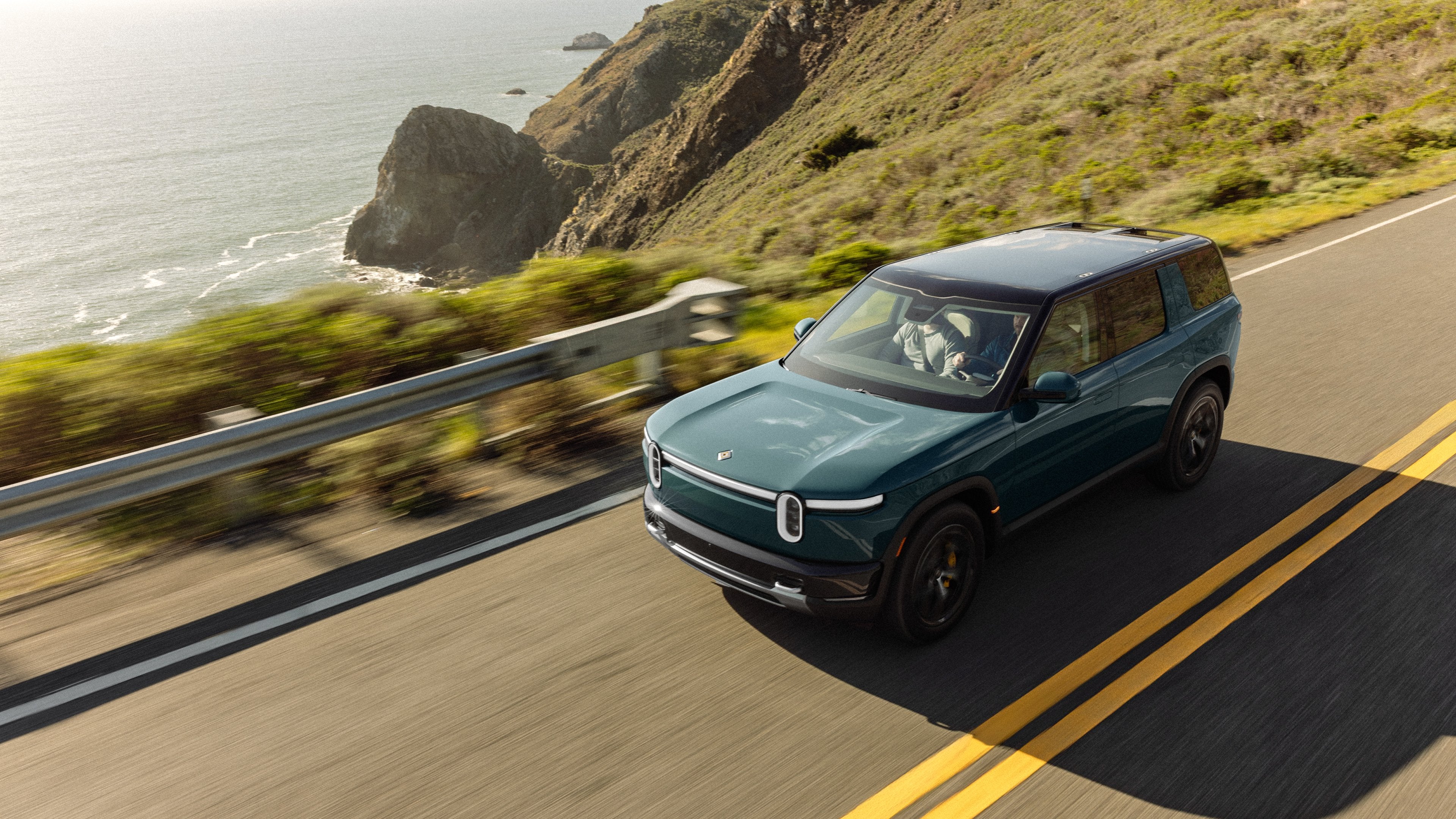
Rivian says buyers who purchase an early R2 without lidar are unlikely to miss out on major self-driving features for several years. The company expects near-term driver assistance capabilities to remain largely the same between lidar-equipped and non-lidar versions of the electric SUV.

Rivian Tries To Ease Buyer Concerns
Interest around the upcoming Rivian R2 has been growing quickly, especially among EV owners looking for alternatives to Tesla. But some potential buyers became cautious after Rivian confirmed that initial R2 models would launch without lidar sensors.
The concern is straightforward: many early EV adopters worry about buying a vehicle that could feel outdated shortly after purchase. Rivian’s decision not to include lidar hardware in early production models led some shoppers to question whether waiting for later versions would be the smarter long-term move.
Company executives now say those concerns may be overstated.
According to comments made during a public Reddit Q&A session, Rivian believes owners of early R2 vehicles will continue receiving similar autonomy-related functionality for years, even without lidar hardware onboard.
Rivian Says Core Features Will Stay Similar
The discussion involved Wassym Bensaid, Rivian’s Chief Software Officer, and James Philbin, the company’s Senior Vice President of Autonomy and AI.
Philbin explained that Rivian’s future lidar-equipped vehicles are primarily intended to strengthen the company’s autonomous driving development system through better data collection. He stated that the improved data gathered from lidar-enabled fleets would help train Rivian’s broader driving models across multiple vehicle generations.
Importantly, Rivian said these benefits would extend to vehicles that do not physically contain lidar sensors.
Philbin noted that Rivian does not expect “noticeable” differences between lidar-equipped and non-lidar vehicles in the near future. The company also indicated that its current Gen 2 platform and upcoming Gen 3 autonomy architecture should offer comparable assisted-driving functionality for the next several years.
That includes future hands-free driving capabilities planned for early R2 Performance variants sold under the Launch Package configuration.
Why Lidar Still Matters Long-Term
Although Rivian downplayed short-term differences, the company also acknowledged that lidar could eventually create a performance gap over time.
Lidar systems use laser-based mapping technology to measure surroundings with extremely high precision. Many companies developing advanced driver assistance or autonomous systems view lidar as an important tool for improving environmental awareness and reducing reliance on cameras alone.
Rivian suggested that future lidar-equipped vehicles may ultimately require less driver supervision during assisted-driving operation. The company referenced the possibility of expanded “eyes-off” support in later years, though it did not provide a detailed timeline.
That distinction matters for buyers planning to keep their vehicles for a very long time. Drivers who typically own a car for a decade or more could eventually see a clearer separation between older camera-based systems and future lidar-supported software stacks.
However, Rivian repeatedly emphasized that such differences are not expected to emerge immediately after launch.
No Retrofit Option Planned
One key detail adding pressure to buyer decisions is Rivian’s confirmation that current R2 models will not receive aftermarket lidar upgrades later.
In other words, customers who purchase an early non-lidar R2 likely will not be able to add the sensor package through a future retrofit program.
That policy has fueled hesitation among some technology-focused buyers, especially those who experienced rapid hardware changes in earlier generations of EVs from other manufacturers.
Still, Rivian appears focused on reassuring customers that software improvements will continue benefiting the broader fleet regardless of hardware configuration. The company says all autonomy systems will share the same foundational driving model and continue improving together over time.
Early Buyers May Still Benefit
For many consumers, Rivian’s explanation could make the purchase decision simpler.
Buyers who upgrade vehicles frequently may not experience meaningful real-world disadvantages by choosing an earlier R2 without lidar. The company’s current roadmap suggests that major differences in autonomy capability are unlikely to appear in the immediate future.
Additionally, Rivian appears to be prioritizing software development and fleet-wide learning rather than splitting features aggressively between hardware generations.
That strategy may help reduce concerns among customers interested in getting one of the first R2 models when deliveries begin.
At least for now, Rivian’s message is clear: waiting for lidar may not dramatically change the ownership experience in the short term.

FAQ
Why are some Rivian R2 models launching without lidar?
Rivian plans to introduce lidar hardware later rather than at initial launch. Early R2 vehicles will rely primarily on camera- and software-based driver assistance systems.
Will non-lidar Rivian R2 models lose autonomy features?
Rivian says early R2 versions should continue receiving similar autonomy upgrades for several years. The company does not expect major short-term capability differences.
Can owners add lidar to older R2 vehicles later?
No. Rivian has confirmed that it currently does not plan to retrofit lidar sensors onto earlier R2 models after purchase.
What advantage does lidar provide in EVs?
Lidar helps vehicles map surroundings more precisely using laser-based sensing. Over time, Rivian believes it could enable lower-supervision assisted driving and improved environmental awareness.
Should buyers wait for a lidar-equipped R2?
That depends on ownership plans. Buyers who replace vehicles frequently may see little benefit from waiting, while long-term owners could eventually notice larger differences in future autonomy systems.
Recommend Reading: Rivian AI Assistant Starts Rolling







Share:
Five EVs Accounted for 20% of Global Sales
Fast EV Charging Creates New Cost Concerns