





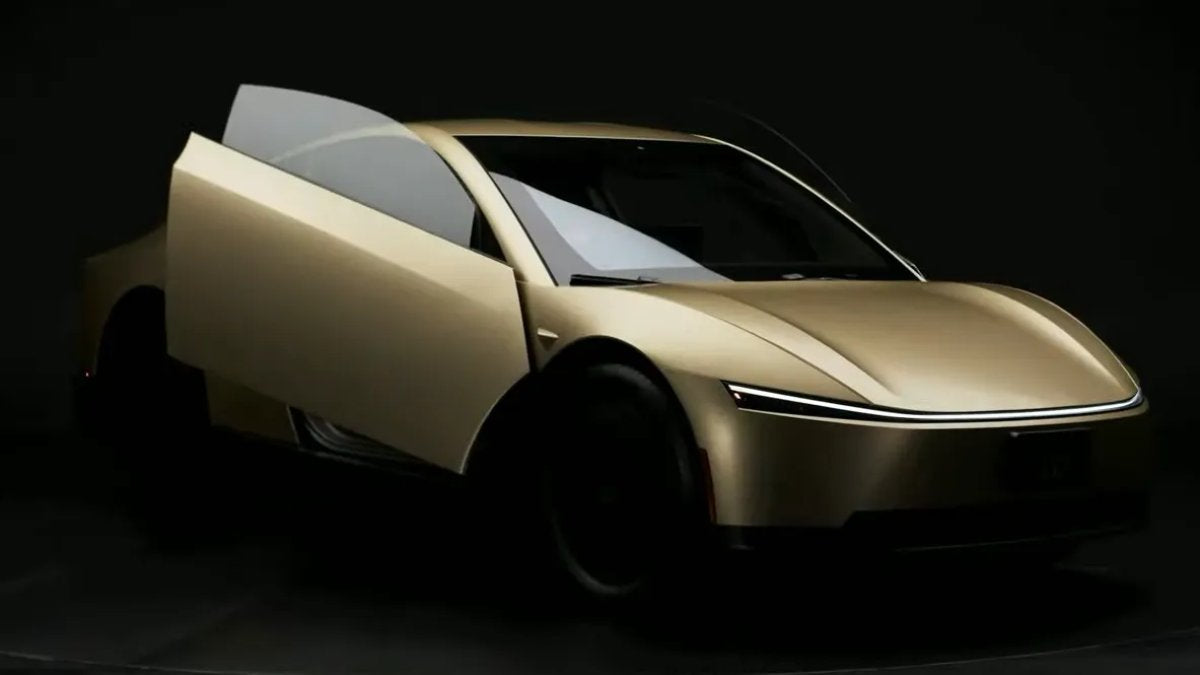
Tesla’s ambitious Cybercab project, designed for autonomous ride-hailing, has faced skepticism since its announcement in late 2024. The compact, two-seater vehicle promises to be fully driverless and priced under $30,000—a combination that no current Tesla model offers. However, production and deployment face significant regulatory and technical hurdles.
The potential breakthrough could come from Congress. Lawmakers are scheduled to review proposals this month, including the Motor Vehicle Modernization Act, which could significantly expand the number of nontraditional autonomous vehicles allowed on U.S. roads.

Potential Regulatory Changes
Under current federal rules, automakers can only produce 2,500 vehicles per year that do not meet standard Federal Motor Vehicle Safety Standards (FMVSS). For Tesla, aiming to launch a mass-market autonomous taxi, this cap is far too restrictive.
The Motor Vehicle Modernization Act proposes raising the cap to 90,000 vehicles per year, potentially giving Tesla the scale it needs to make the Cybercab economically viable. If passed, the bill would also benefit other autonomous vehicle companies, including Zoox, Amazon’s robotaxi subsidiary, which develops unconventional pod-style vehicles.
Technical Challenges Remain
Even with regulatory support, Tesla still faces formidable technical challenges. The Cybercab’s fully autonomous system has yet to reach true Level 4 or Level 5 autonomy. Current self-driving Tesla vehicles, including Model Y taxis deployed in Austin, Texas, still rely on a human safety monitor in the front seat. Scaling this system to thousands of Cybercabs will require major software advancements and rigorous safety testing.
Another technical obstacle is charging infrastructure. Unlike conventional EVs, the Cybercab has no external charge port. Tesla will need to develop dedicated charging stations or wireless charging solutions to keep a fleet of Cybercabs operational across urban areas. Without this infrastructure, the vehicle’s viability as a ride-hailing solution is limited.
Intellectual Property and Branding Issues
Tesla also faces a less-discussed but equally important hurdle: the rights to the Cybercab name. Trademark disputes or competing claims could delay production or marketing. Resolving these issues is essential if Tesla hopes to launch the Cybercab nationwide under a unified brand.
Market Implications
If Congress approves the bill and Tesla overcomes technical and legal challenges, the Cybercab could reshape urban mobility. A sub-$30,000 autonomous vehicle could compete directly with ride-hailing services, potentially reducing costs for consumers while increasing Tesla’s presence in the transportation-as-a-service market.
Experts note that other companies could benefit as well. Expanding the cap on nontraditional vehicles may encourage innovation from startups and tech giants developing autonomous pods or shuttles, creating a more competitive market for driverless ride-hailing services.

Looking Ahead
While the Motor Vehicle Modernization Act offers potential relief, Tesla has a long road ahead. Software development, fleet infrastructure, and regulatory compliance must all align before Cybercabs can hit the streets in large numbers. The company’s next steps will be closely watched by investors, city regulators, and urban mobility enthusiasts.
For now, the Cybercab represents a vision of affordable, scalable, and fully autonomous ride-hailing, but its realization depends on legislative action and Tesla’s ability to overcome technical and logistical obstacles. Congress’s decisions later this month may well determine whether Tesla can turn the Cybercab from concept into reality.
Recommend Reading: Tesla’s Robotaxi Rollout Lagged Behind Its 2025 Promises







Share:
Volvo EX60 Targets Long-Range Leadership in the Electric SUV Segment
Americans Worry More About EV Range Than Cost, Survey Shows