






Blog
- Tous
- Autonomous Vehicles
- Battery Care & Range Anxiety
- Battery Tech
- BMW
- Buying Guide
- BYD
- California
- Charging
- Chevrolet
- China
- Ferrari
- Ford
- Honda
- Hyundai
- Industry Outlook
- Mazda
- Mercedes-Benz
- Monthly EV Lease Deals
- NEMA Plug
- Polestar
- Policies & Incentives
- Pricing
- Range
- RIVIAN
- Road Trip
- Sales
- Scout Motors
- Slate Truck
- Subaru
- Tesla
- Toyota
- User Guide
- Volkswagen
- Volvo
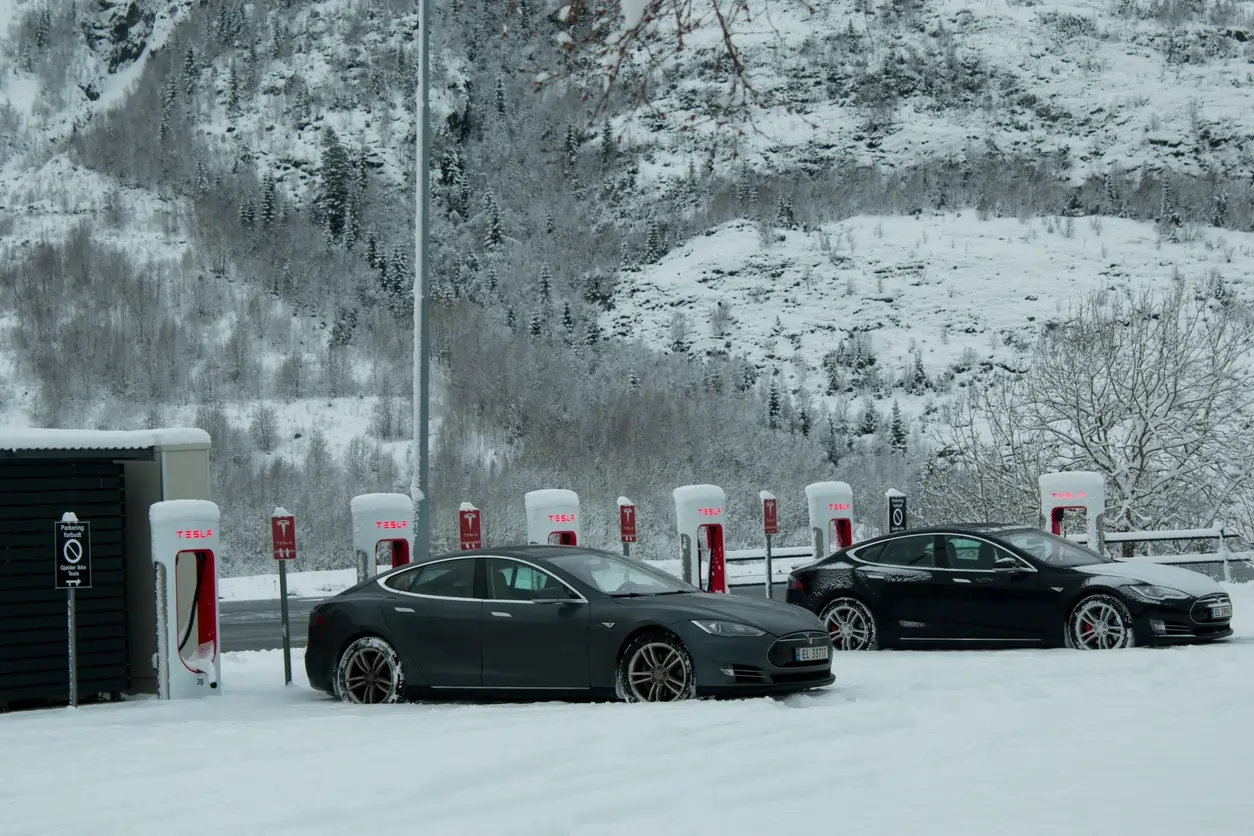
How to Protect Your EV Battery in cold weather?
Discover how to protect your EV battery in extreme cold with preconditioning, proper charging methods, NEMA infrastructure, and winter maintenance tips.
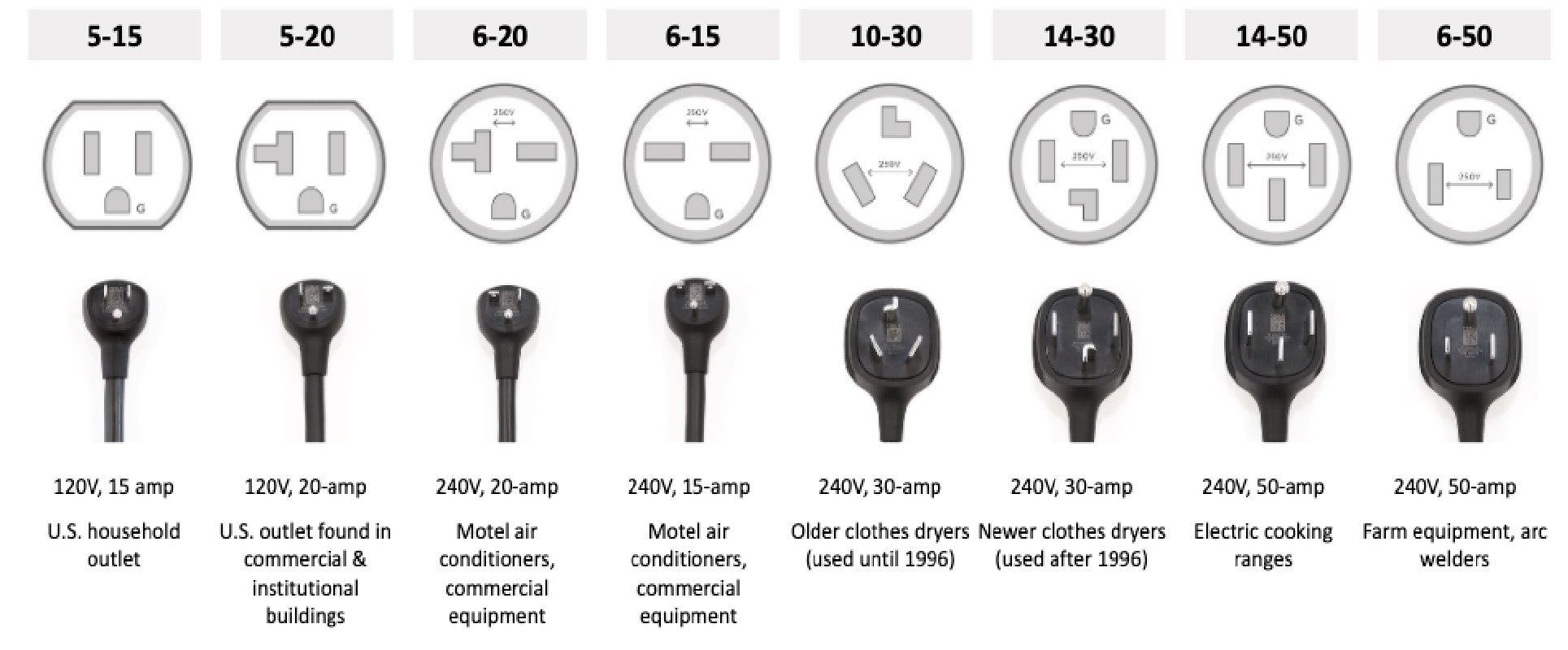
Understanding NEMA Plug Types for EV Charging:A Complete Guide
Discover the differences between NEMA 5-15, 6-20, and 14-50 plugs, including charging speeds, applications, and tips for choosing the best EV outlet.
Plussur Understanding NEMA Plug Types for EV Charging:A Complete Guide
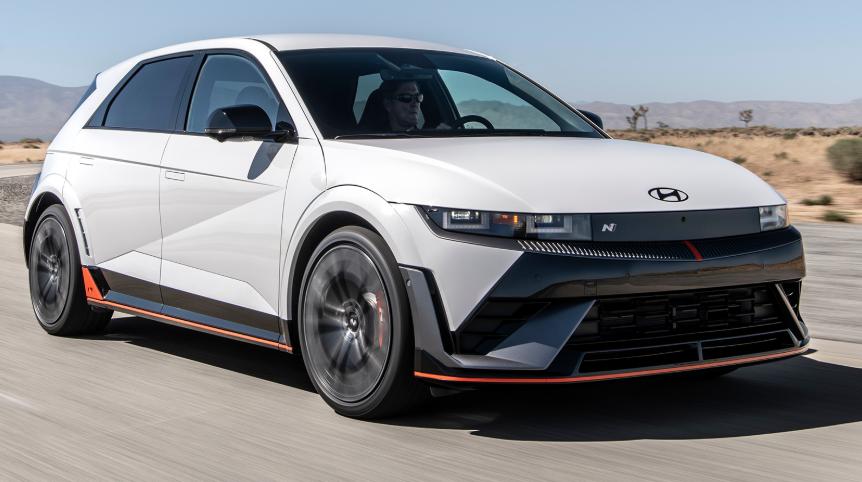
How Far Does a IONIQ 5 Go on a Full Charge?
Explore Hyundai IONIQ 5 range estimates, charging options, real-world performance, and expert tips to help maximize efficiency and battery life.
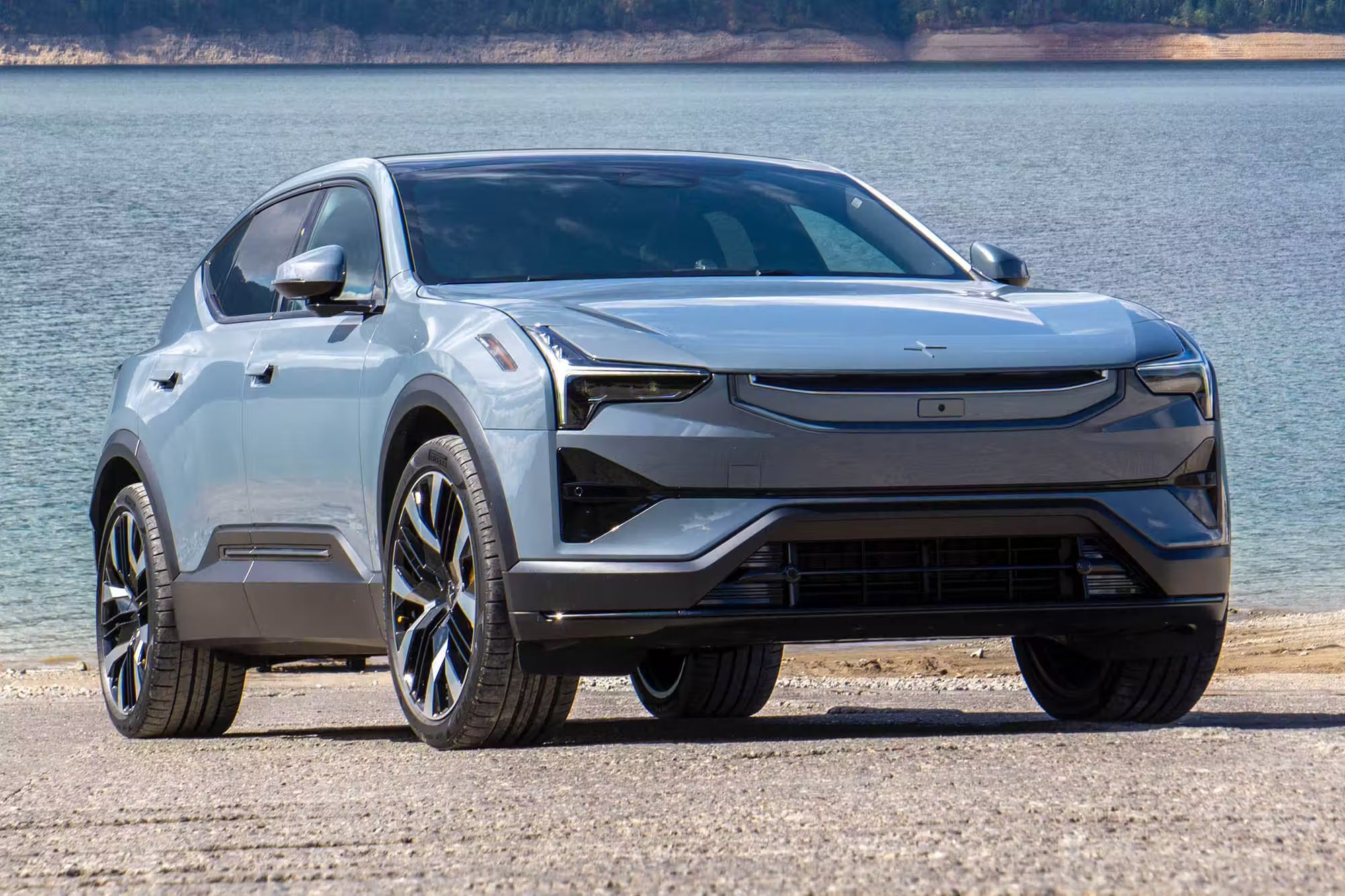
Polestar Ends New EV Sales in the U.S.
Polestar is ending future U.S. vehicle sales because of new connected vehicle regulations while shifting investment toward Europe and other international growth markets.
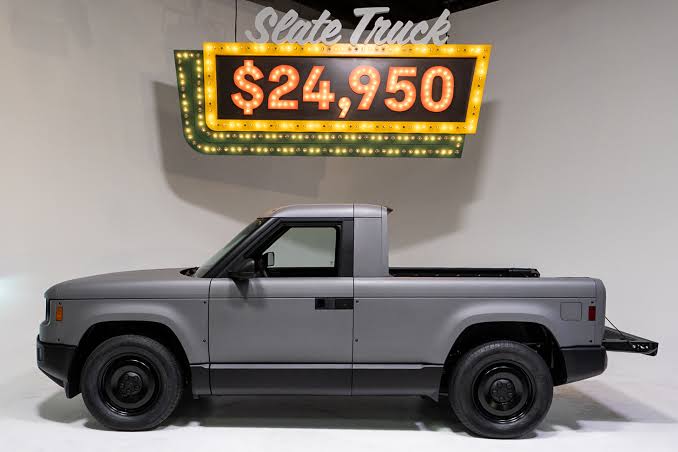
Slate's Affordable Electric Pickup Arrives With a Different Strategy
Slate Auto is introducing a minimalist electric pickup priced under $25,000. The model combines affordability, modular upgrades, and a 205-mile range in a unique market experiment.
Plussur Slate's Affordable Electric Pickup Arrives With a Different Strategy
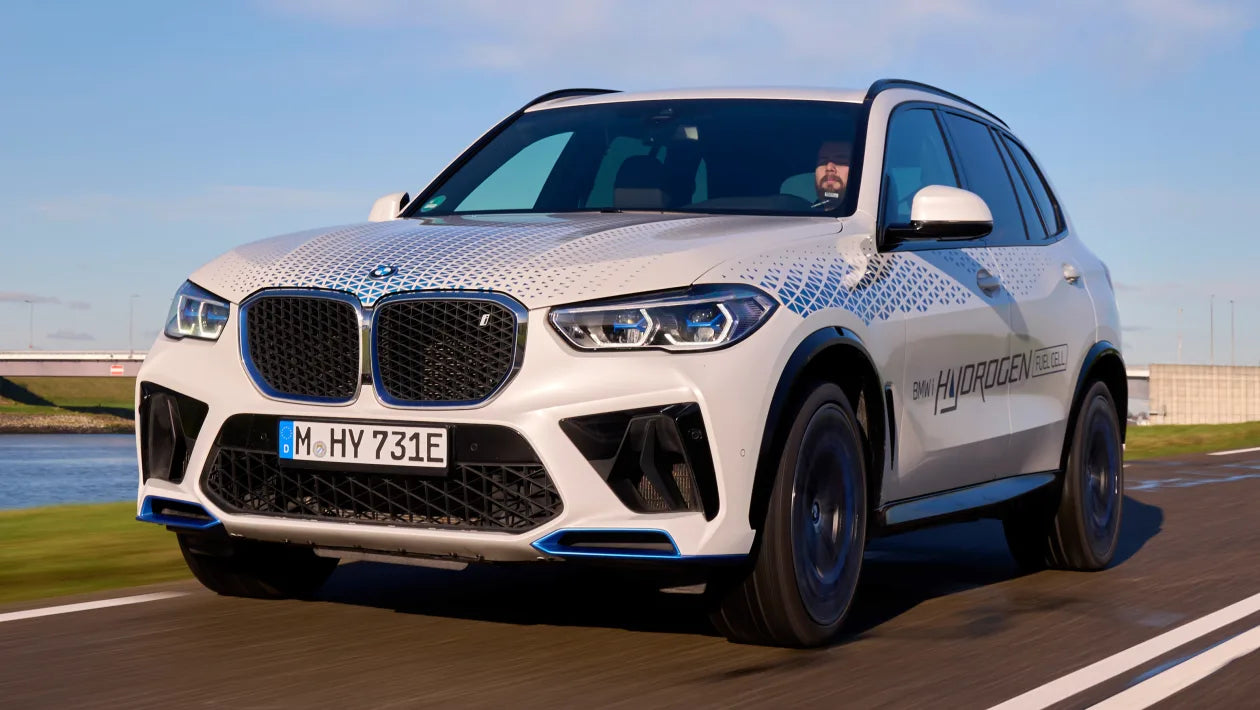
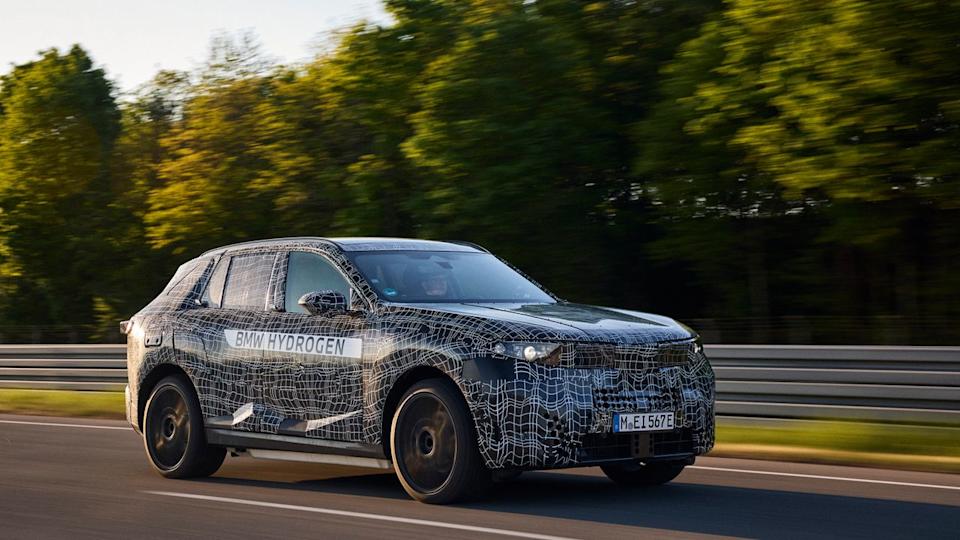
BMW iX5 Battery Capacity Sets New Benchmark
The 2027 BMW iX5 will debut with a 144 kWh usable battery, advanced 800-volt technology, and potential class-leading range as BMW expands its EV lineup.
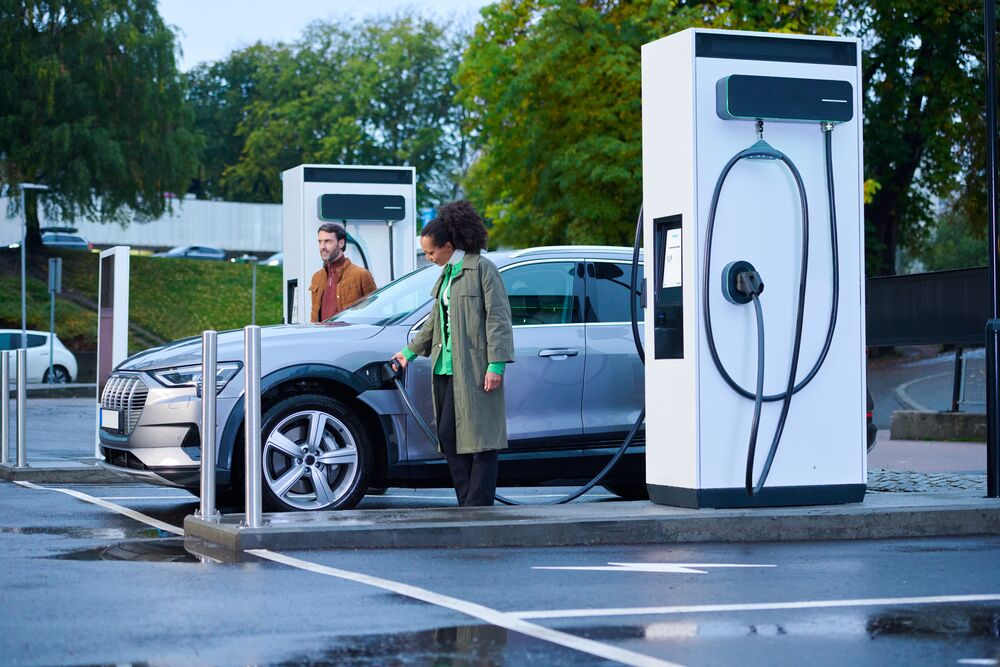
U.S. Public EV Chargers Surpass 250,000 Ports
America's public EV charging network has surpassed 250,000 ports across more than 80,000 locations, driven by rapid growth in both fast-charging and Level 2 infrastructure.