


Iconic EVs Reach Their Final Chapter

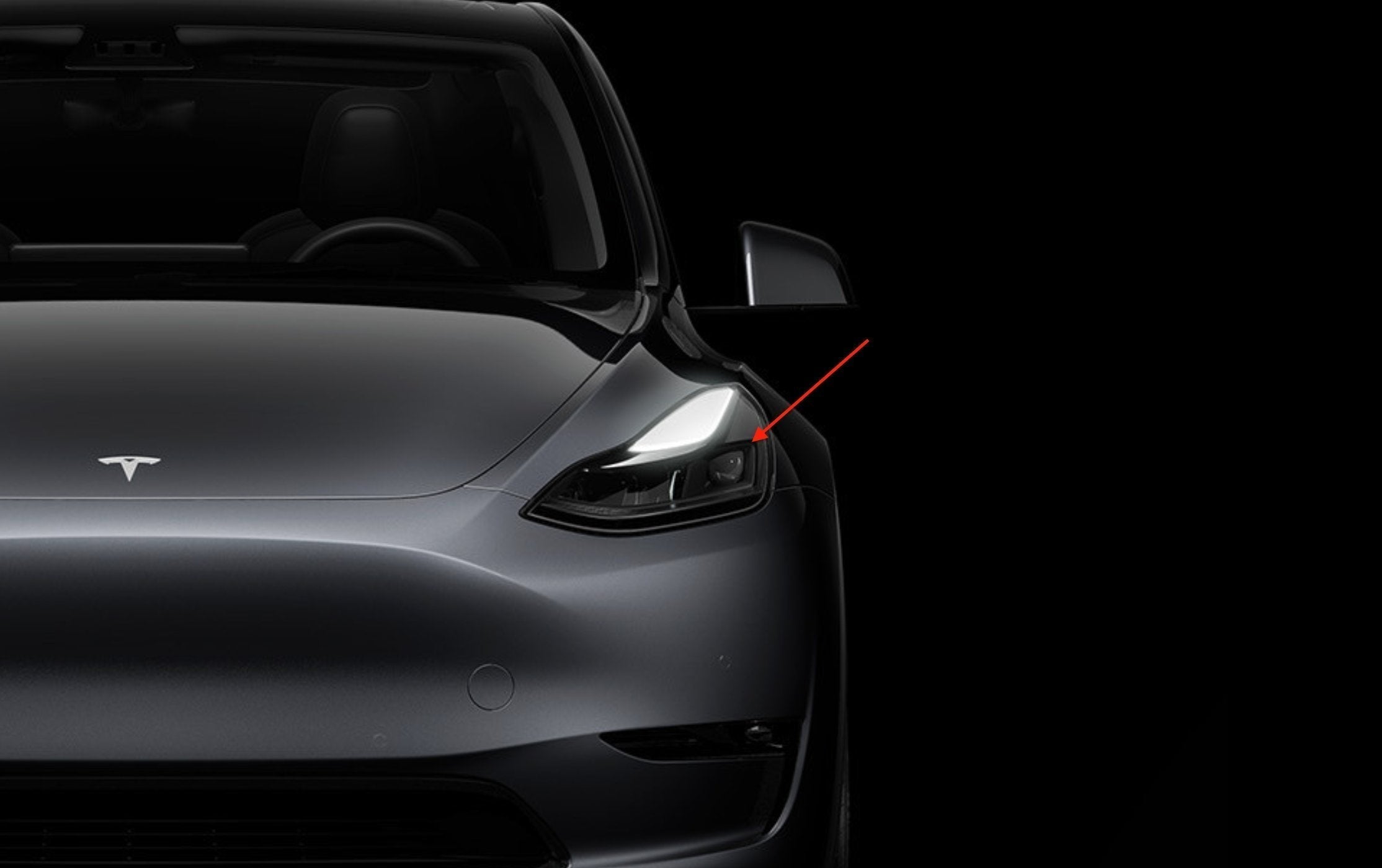
After more than ten years on the market, Tesla has officially halted production of its Model S and Model X vehicles. CEO Elon Musk confirmed via X that both models are no longer available for custom orders, leaving only existing inventory for potential buyers.

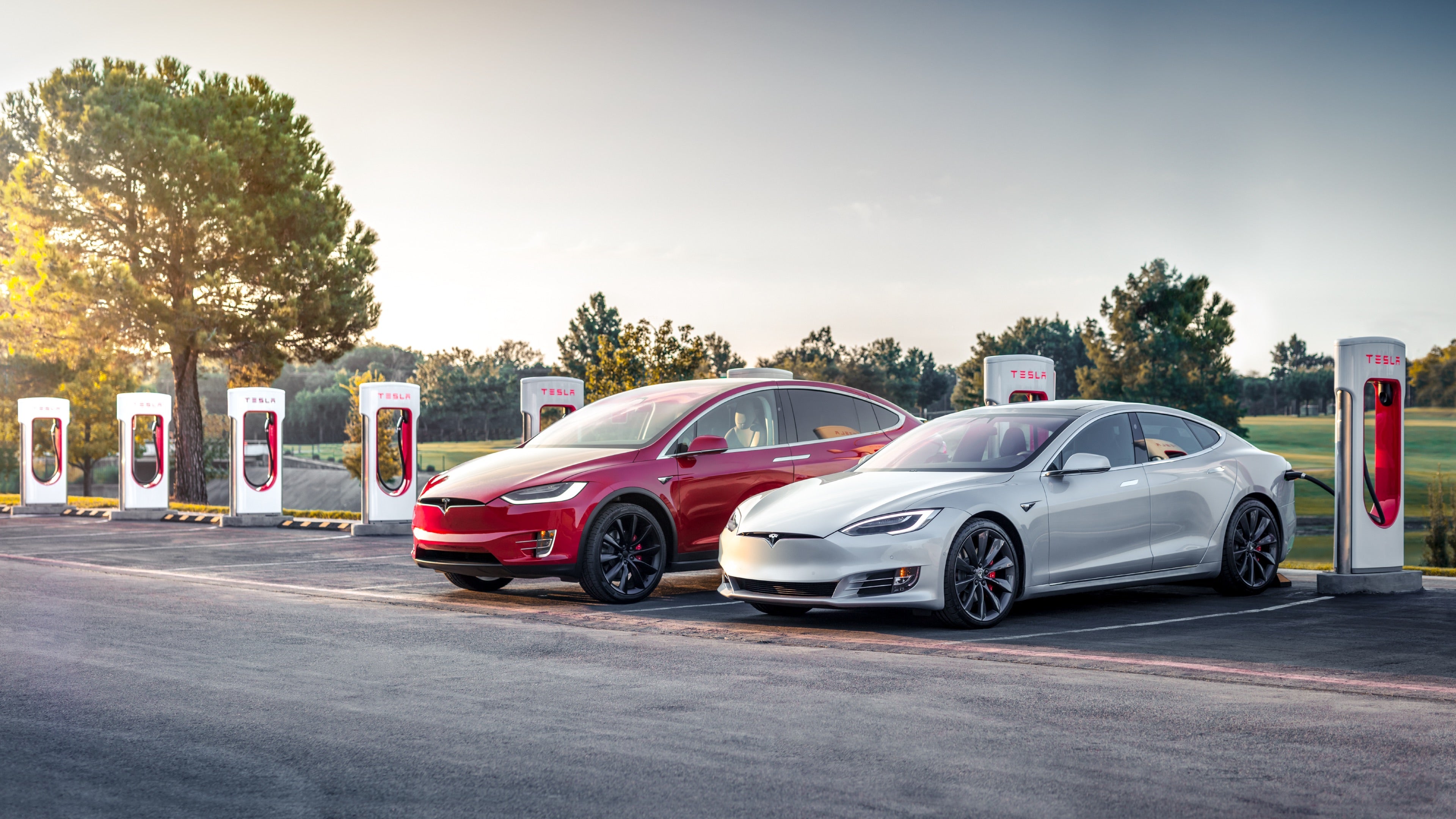
In the United States, attempting to place an order redirects users to Tesla’s inventory listings. Currently, there are 15 Model S units and 24 Model X vehicles still available. Each car in stock includes complimentary DC fast charging access through Tesla Superchargers and lifetime Premium Connectivity, offering satellite-view navigation, live weather data, Sentry Mode, and streaming services.

Tesla Ends Production of Model S and Model X After More Than a Decade


Model S: A Pioneering Electric Sedan

Introduced in 2012, the Model S became a defining vehicle in the EV market. It combined long-range capability, rapid charging, spacious interiors, and high performance, establishing benchmarks for electric sedans. Its design underwent multiple internal updates, though the exterior remained largely consistent with the first cars produced.

For over a decade, the Model S symbolized the rise of Tesla as a leading electric car manufacturer and demonstrated that an EV could compete with traditional luxury sedans on both performance and technology.


Model X: Luxury Meets Utility

The Model X debuted in 2015 as a luxury SUV featuring distinctive Falcon Wing doors. It quickly became popular for its roomy interior, versatile seating, and long-range driving abilities. Sharing the same platform as the Model S, the X was Tesla’s flagship SUV and offered a combination of comfort and advanced technology that set it apart in the early EV market.

Despite initial success, both models eventually saw their market share decline as newer, more affordable Tesla models attracted attention.


The Rise of the Model 3 and Model Y

Tesla’s lineup began shifting in 2017 with the launch of the Model 3, a smaller, more cost-effective sedan that appealed to a broader audience. Its streamlined design and lower starting price drew significant consumer interest, gradually drawing attention away from the larger Model S.

By 2020, the Model Y crossover further overshadowed the older vehicles. With strong sales and growing popularity, the Model Y became the company’s primary revenue driver, while the Model S and Model X sales dwindled.


Declining Sales and Strategic Shift

Over time, Tesla reclassified its luxury vehicles into an “Other Models” category in its financial reporting, reflecting declining relevance compared to the high-volume Model 3 and Model Y. Last year, Tesla delivered 1.6 million Model 3 and Model Y vehicles worldwide, while the combined total for the Other Models—including the Model S, Model X, Cybertruck, and Semi—was only 50,850 units.

During the first-quarter earnings call, Musk emphasized a transition toward autonomy and robotics, stating the Model S and X programs would be concluded with “an honorable discharge” to focus resources on future technology.

Tesla Ends Production of Model S and Model X After More Than a Decade


A Legacy in EV History

Though no longer central to Tesla’s lineup, the Model S and X leave a lasting legacy. They were among the first modern electric vehicles to achieve mainstream recognition, demonstrating that EVs could offer performance, comfort, and long-distance usability comparable to gasoline-powered cars. Their discontinuation marks the end of an era, but their influence on the electric vehicle industry remains significant.

Recommend Reading: What Tesla Ending Model S and X Means for Lucid Buyers
FAQs - Tesla Model Y Comprehensive 2025 Edition

What is the Tesla Model Y and why is it so popular in the EV market?

The Tesla Model Y is a fully electric compact SUV launched in 2020 and quickly became Tesla’s best-selling vehicle worldwide. It combines long driving range, advanced Tesla Autopilot and Full Self-Driving (FSD) features, over-the-air software updates, and practical cargo space, making it ideal for families and commuters. Its balance between affordability, performance, and technology explains why it has surpassed sales of the Model 3 in many markets.

What are the key differences between the Tesla Model Y trims (Long Range, Performance, RWD)?
  • Model Y Rear-Wheel Drive (RWD): Entry-level, most affordable, suitable for city driving and shorter commutes.
  • Model Y Long Range (AWD): Dual-motor all-wheel drive, offering up to 330 miles of range, best balance for daily use and long trips.
  • Model Y Performance: Higher acceleration (0–60 mph in 3.5s), sportier handling, slightly shorter range (~303 miles).

Choosing between them depends on budget, driving habits, and whether you value maximum range or sporty performance.

How far can the Tesla Model Y go on a full charge?

As of 2025, the EPA-rated ranges are:

  • Model Y RWD: ~260 miles
  • Model Y Long Range: ~330 miles
  • Model Y Performance: ~303 miles

Real-world range may vary based on driving speed, weather, terrain, and vehicle load.

How does Tesla Model Y charging work at home and on the road?
  • Home Charging: Compatible with NACS (Tesla’s North American Charging Standard) and can also use J1772 adapters. A NEMA 14-50 outlet or Tesla Wall Connector is recommended for faster charging at home.
  • Public Charging: Model Y has seamless access to Tesla Superchargers (Level 3 DC Fast Charging), providing ~200 miles of range in ~15 minutes. In 2025, many CCS1 charging networks are also opening to Tesla via adapters.

Tip: For EV owners in North America, NACS is becoming the dominant charging connector, making Model Y future-proof.

How much does the Tesla Model Y cost in 2025?

Pricing may vary by market and incentives:

  • Model Y RWD: ~$44,000
  • Model Y Long Range: ~$49,000
  • Model Y Performance: ~$53,000+

Tax credits (such as the U.S. Federal EV tax credit) and state-level rebates can significantly reduce the effective cost.

What are the maintenance costs of a Tesla Model Y compared to gas cars?

Tesla Model Y requires lower maintenance than internal combustion engine (ICE) vehicles since it has fewer moving parts (no oil changes, no exhaust system, no fuel filters).

Typical costs include:

  • Tire rotations & replacements
  • Cabin air filter changes
  • Brake fluid inspection
  • Battery & motor cooling system checks

Battery warranty: 8 years or 120,000–150,000 miles (depending on trim).

What safety features does the Tesla Model Y include?

Tesla Model Y has received top safety ratings globally, featuring:

  • Autopilot (standard driver assistance system)
  • Optional Full Self-Driving (FSD) capability for advanced automation
  • Collision avoidance and automatic emergency braking
  • Over-the-air safety updates
  • High structural integrity with low rollover risk due to battery placement
How well is the Tesla Model Y selling in the U.S. and globally?

By 2025, the Tesla Model Y has become the world’s best-selling EV and one of the top-selling cars overall across all fuel types.

  • In 2023, it overtook Toyota Corolla in global sales.
  • In the U.S., Model Y continues to dominate EV sales with a strong market share, supported by expanding Tesla Supercharger access and competitive pricing.
What are the potential drawbacks or things to watch out for with the Tesla Model Y?
  • Build quality issues: Panel gaps and paint inconsistencies reported in early production, though improving.
  • Interior design: Minimalist dashboard not appealing to all drivers.
  • Charging infrastructure (non-Tesla): Although NACS is expanding, some third-party chargers may still require adapters.
  • Price fluctuations: Tesla frequently adjusts pricing, which may impact resale values.
What is the future outlook for the Tesla Model Y?
  • Solid-state or higher-density battery packs expected in future updates for improved range and durability.
  • Wider adoption of NACS charging will make road trips even more convenient across North America.
  • Autonomous driving improvements via AI and Dojo supercomputer may make FSD more capable.
  • Global dominance in EV sales likely to continue as Model Y remains Tesla’s most profitable and scalable model.
Lucid Gravity Update Adds Hands-Free Driving

Lucid Gravity Update Adds Hands-Free Driving

The Lucid Gravity receives a major OTA update featuring hands-free driving assistance, automatic lane changes, richer navigation data, and advanced battery preconditioning displays.

Plussur Lucid Gravity Update Adds Hands-Free Driving

Ford Bets on Smaller Electric Pickup Strategy

Ford Bets on Smaller Electric Pickup Strategy

After large electric trucks struggled in the U.S. market, Ford is pursuing a different strategy with a lower-cost midsize EV pickup focused on practicality, technology, and daily usability.

Plussur Ford Bets on Smaller Electric Pickup Strategy

Amazon EV Delivery Fleet Passes 50,000 Vehicles

Amazon EV Delivery Fleet Passes 50,000 Vehicles

Amazon now operates over 50,000 electric delivery vehicles globally, supported by extensive charging infrastructure and growing deployments of Rivian and Mercedes-Benz EVs.

Plussur Amazon EV Delivery Fleet Passes 50,000 Vehicles