





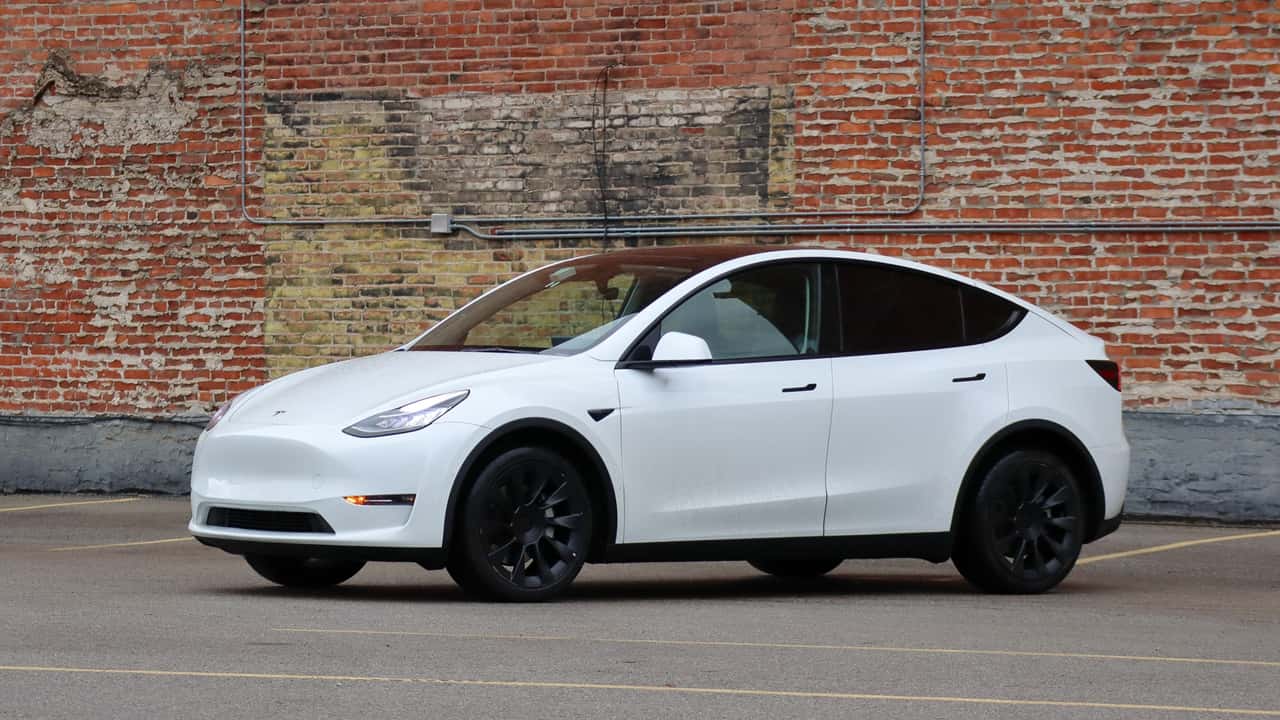
Tesla posted a stronger-than-expected recovery in the second quarter, delivering significantly more vehicles than analysts had forecast. The results suggest demand for the company's core EV lineup remains resilient, even as Tesla continues investing heavily in artificial intelligence, robotics, and autonomous driving technologies.
After two consecutive quarters of weaker vehicle deliveries, the latest figures mark an important turnaround for the automaker's passenger car business. While Tesla has increasingly shifted public attention toward projects such as robotaxis and the Optimus humanoid robot, the Model 3 and Model Y once again proved to be the company's primary sales drivers.

Quarterly Deliveries Surpass Market Forecasts
Tesla reported 480,126 vehicle deliveries during the second quarter, representing an increase of nearly 25% compared with the same period last year. The result comfortably exceeded expectations compiled from 22 Wall Street analysts, who had projected average deliveries of approximately 406,000 vehicles.
The gap between expectations and actual performance reached more than 74,000 vehicles, making the quarter one of Tesla's strongest recent earnings surprises.
As in previous quarters, Tesla's two highest-volume models dominated production and deliveries. Combined, the Model Y and Model 3 accounted for 467,762 vehicles, reinforcing their importance as the company's global volume products.
Other models—including the Cybertruck and Tesla's premium vehicle lineup—contributed 12,364 deliveries, also recording year-over-year growth, although they represented only a small share of total sales.
European Demand Appears to Drive the Recovery
Although Tesla does not publish regional delivery figures, available registration data indicates that Europe played a significant role in the company's improved performance.
Industry registration statistics show Tesla's sales across the European Union increased substantially during the first five months of the year. Registrations rose from 50,309 vehicles during the same period a year earlier to 89,180 units, reflecting 77% year-over-year growth.
Monthly data points to continued momentum as well. In May, Tesla registered 21,767 vehicles across EU markets, suggesting consumer demand remained healthy despite growing competition from both European and Chinese electric vehicle manufacturers.
Several factors may have contributed to this trend. Europe continues to maintain a higher rate of EV adoption than the United States, supported by expanding charging infrastructure and government policies encouraging electrification. Additionally, higher fuel prices following geopolitical tensions in the Middle East may have further strengthened consumer interest in battery-electric vehicles.
Core EV Business Remains Financially Important
The latest delivery results arrive at a critical moment for Tesla's broader business strategy.
While CEO Elon Musk has increasingly emphasized autonomous driving, artificial intelligence, robotics, and energy technologies, vehicle sales continue to provide the company's primary source of revenue and cash flow. A healthy automotive business remains essential for funding Tesla's long-term investments in emerging technologies.












Share:
BMW iX5 Brings Faster Charging and Longer Range