










Hot Picks
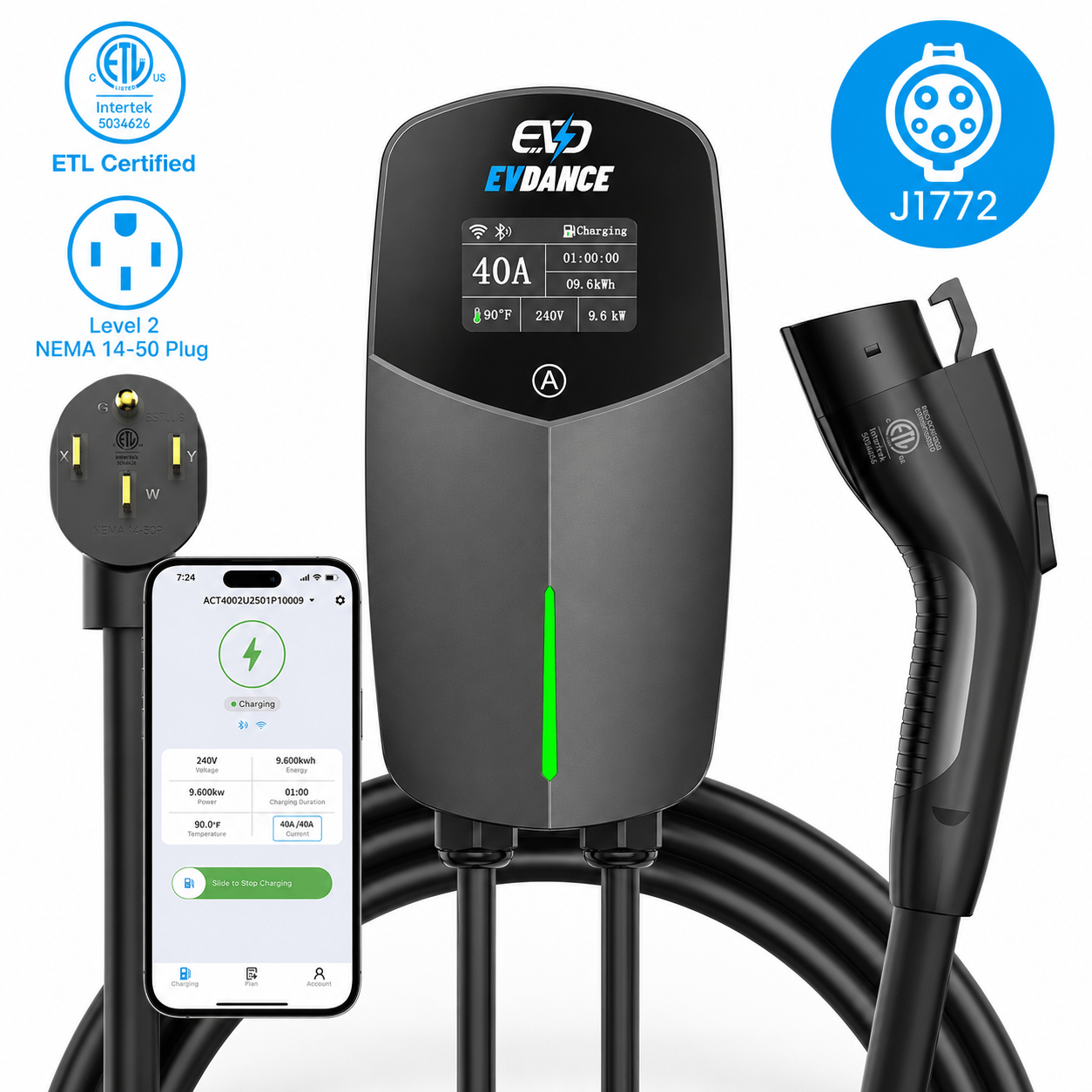
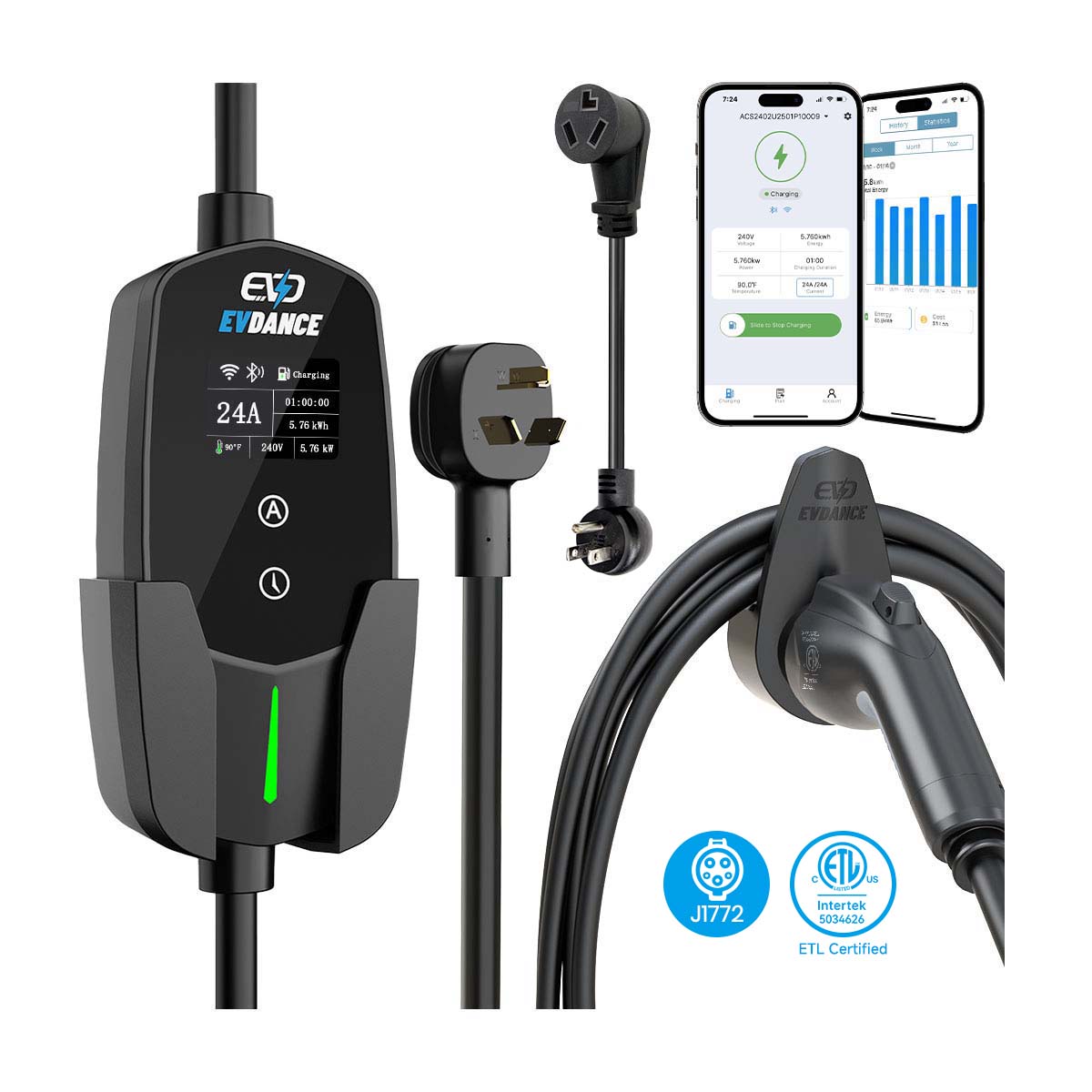
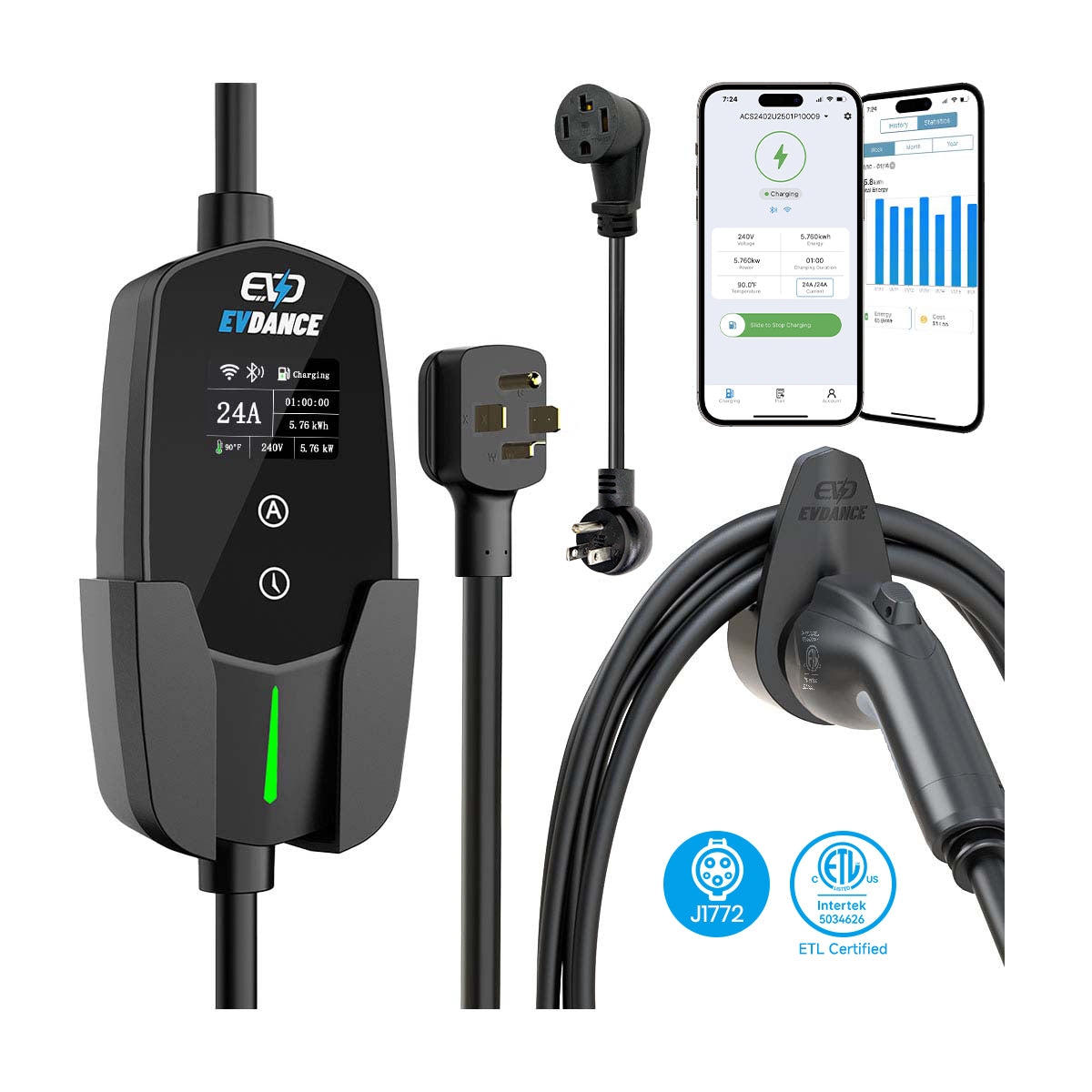
EVDANCE Home Level 2 EV Charger NEMA 14-50 J1772 Wall-mounted Plug In - 40A
Sale price$339.95 USDRegular price
$439.95 USD

J1772
Connector

NEMA 14-50
Socket

25 FT
Cable

40A/240V
Circuit

UL2594
Certified
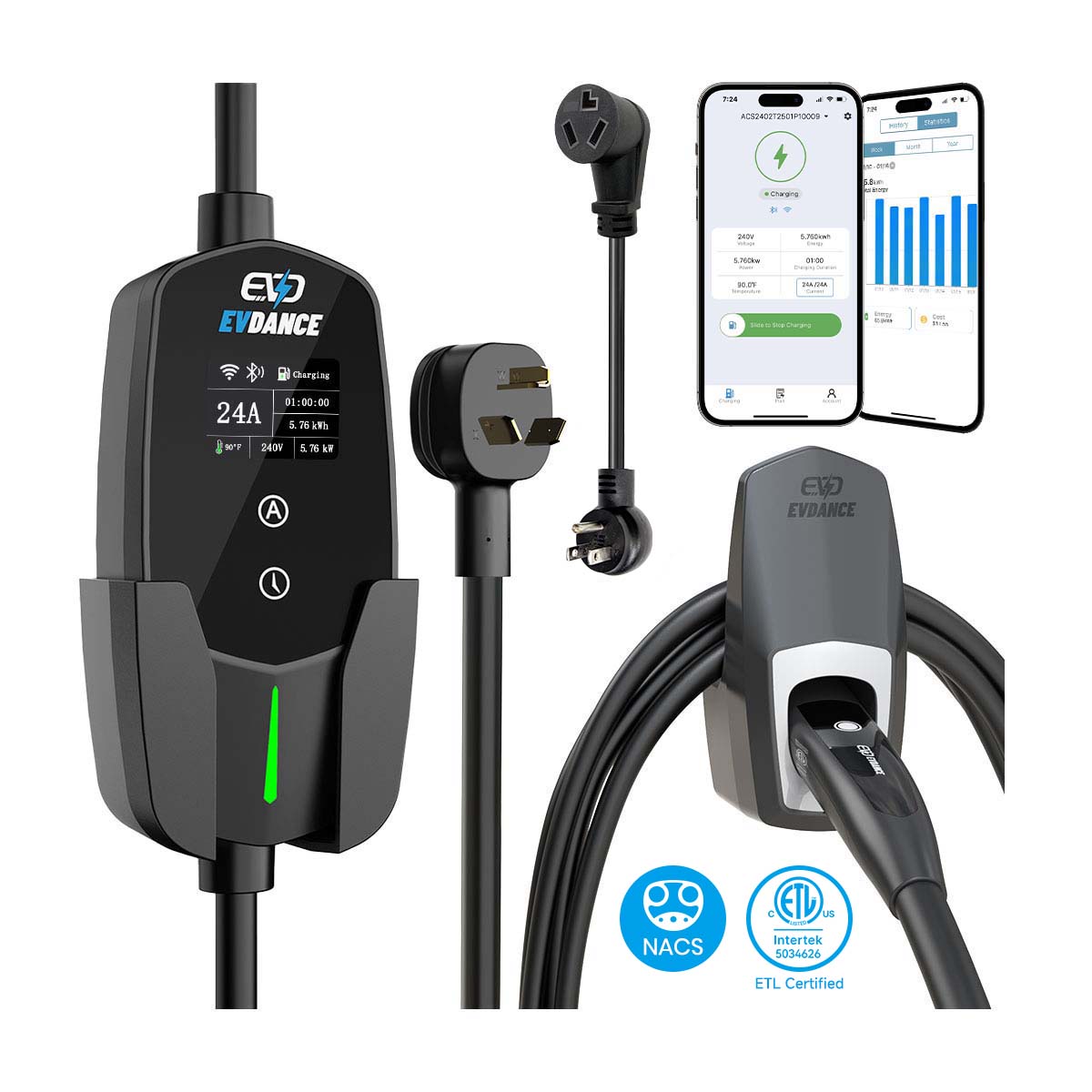
EVDANCE Level 2 EV Charger NEMA 14-50 NACS Wall-mounted Plug In - 40A
Sale price$339.95 USDRegular price
$469.95 USD

Tesla
Connector
NEMA 14-50
Socket
25 FT
Cable
40A/240V
Circuit
UL2594
Certified
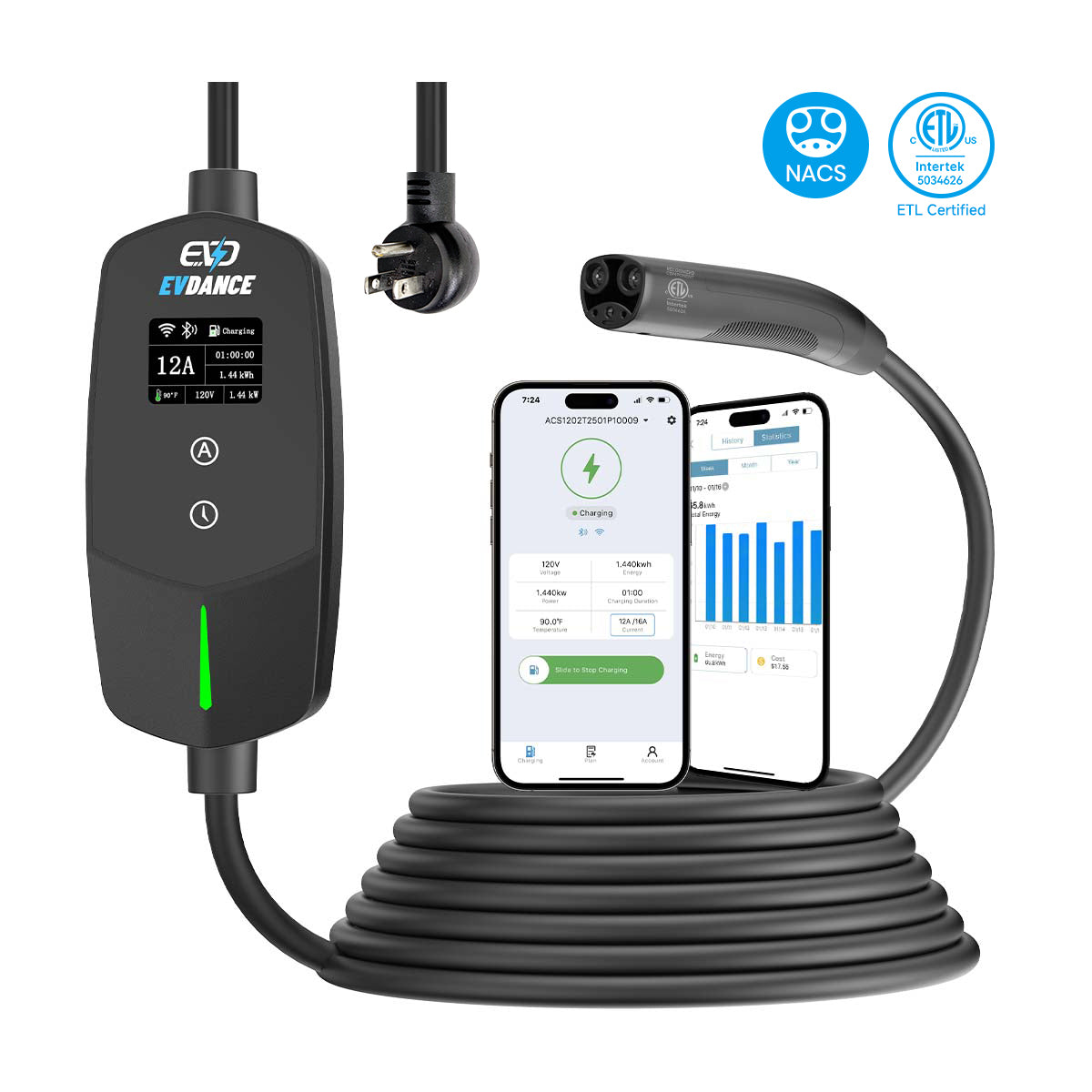
EVDANCE Flux Level 1 NEMA 5-15 Plug 12A NACS/Tesla Portable EV Charger
Sale priceFrom $119.95 USDRegular price
$169.95 USD
Tesla
Connector

NEMA 5-15
Socket
25 FT
Cable
12A/120V
Circuit
UL2594
Certified
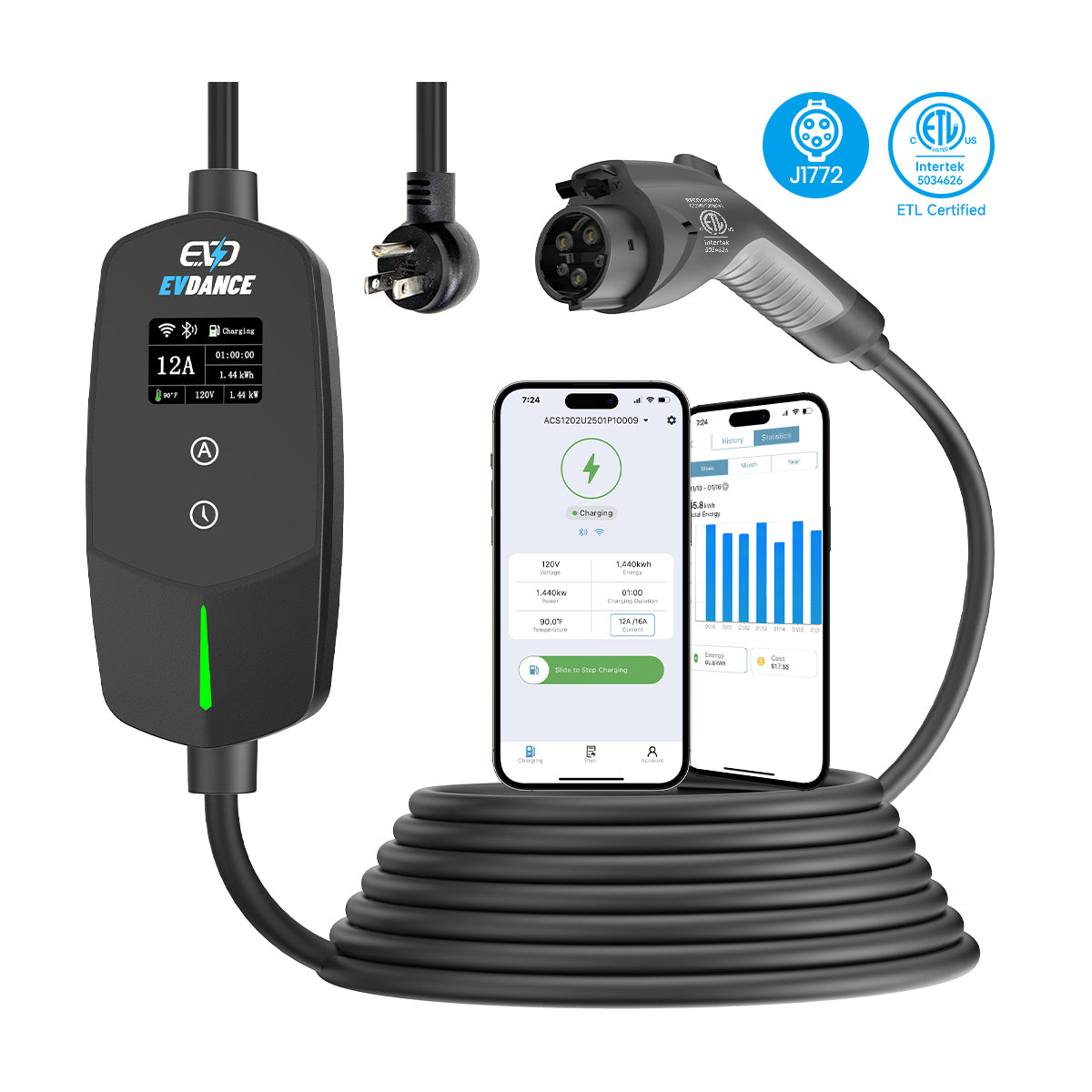
EVDANCE Flux Level 1 NEMA 5-15 Plug 12A J1772 Portable EV Charger
Sale priceFrom $119.95 USDRegular price
$169.95 USD
J1772
Connector
NEMA 5-15
Socket
25 FT
Cable
12A/120V
Circuit
UL2594
Certified
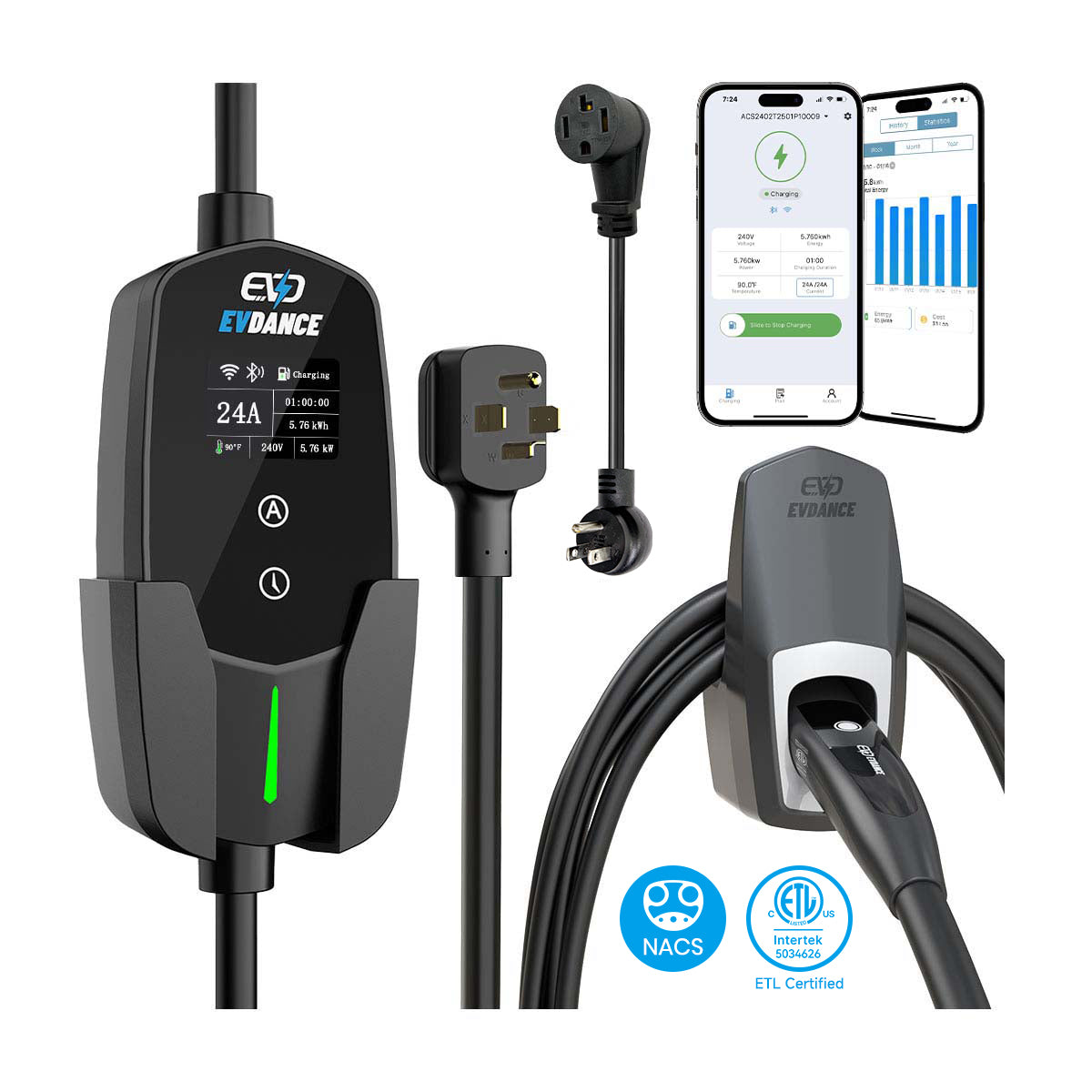
EVDANCE Level 2 NEMA 14-30 24A NACS Portable EV Charger
Sale priceFrom $219.95 USDRegular price
$299.99 USD
Tesla
Connector

NEMA 14-30
Socket
25 FT
Cable
24A/240V
Circuit
UL2594
Certified
EVDANCE Level 2 NEMA 10-30 24A J1772 Portable EV Charger
Sale priceFrom $219.95 USDRegular price
$299.99 USD
J1772
Connector

NEMA 10-30
Socket
25 FT
Cable
24A/240V
Circuit
UL2594
Certified
EVDANCE Level 2 NEMA 14-30 24A J1772 Portable EV Charger
Sale priceFrom $229.95 USDRegular price
$299.99 USD
J1772
Connector
NEMA 14-30
Socket
25 FT
Cable
24A/240V
Circuit
UL2594
Certified
EVDANCE Level 2 NEMA 10-30 24A NACS Portable EV Charger
Sale priceFrom $219.95 USDRegular price
$299.99 USD
Tesla
Connector
NEMA 10-30
Socket
25 FT
Cable
24A/240V
Circuit
UL2594
Certified
Compatibility
Works with all EV and PHEV cars









Smart Charging with the EVDANCE App
Effortlessly monitor, manage, and optimize your electric vehicle’s charging anytime, anywhere with our free mobile app.


User-Friendly Interface and Easy Operation
Easy to view energy (kWh), duration, cost, and power usage, and effortlessly start or stop charging directly from
your phone.
Full Charging Visibility
Never miss a charging record! Track your charging habits to better understand your car's battery health and see
your contribution to carbon reduction.
Save Money with Smart Scheduling
Schedule your charging time during off-peak hours to save on electricity costs by avoiding peak rates.
Adjustable Charging Speed
Easily set the output power of your charging station via your mobile phone, allowing for flexible charging tailoredto different car models and usage needs.


Charge for Change. Power the Planet
EVDANCE is accelerating the transition to clean energy. Join us in turning every home charge into a concrete step toward protecting our planet.
Low-carbon: Optimized for maximum energy efficiency
Earth Action:Supporting global conservation through every purchase.
Sustainable Infrastructure: Eco-friendly tech designed for long-term durability.
Our Premium EV Charging Solutions
6X Faster Charging
Add 20-30 miles of range per hour and leave long walt times behind.
Plug-and-Play Simplicitystart
No hardwiring required-just plug into a standard outlet and start charging instantly.
Charge Anywhere, Anytime
From home garages to RV parks and campsites, enjoy total freedom without range anxiety.
Certified All-Weather Safety
IP66 rated with 9-layer protection and ETL/FCC certification for ultimate peace of mind.
Universal EV Compatibility
Native Tesla support and NEMA 14-50 standard plugs forseamless use across all scenarios.
Smart, Tailored Control
Adjustable current and delayed timers with real-time LCD data to fit your specific needs.

Calculate your savings
Monthly
$0
Yearly
$0
5 Years
$0
Charging speed: 34 mph
Expert Commentary


Customer Support
Monday - Friday
24/7 Customer Support
3-Year Warranty
1-Year Standard Warranty
3-Year Wall Charger Warranty
Fast Free Shipping
Fast Free US Shipping 48 - 72 Hours
Secure Payment
On EVDANCE Your Payment Information Is Processed Securely