






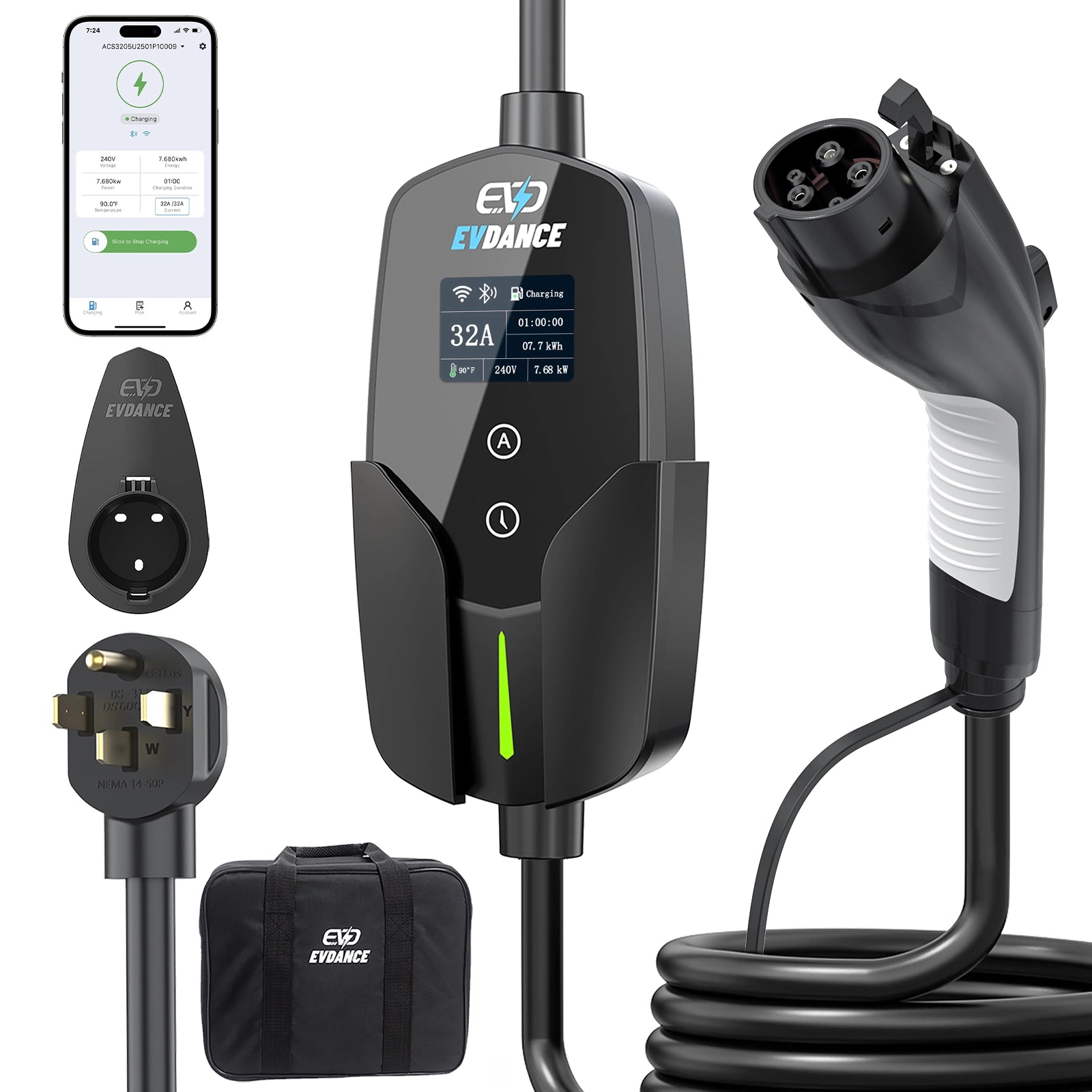
EVDANCE Level 2 NEMA 14-50 32A J1772 Portable EV Charger | ETL Certification

Connector

Socket

Circuit

Cable

Control
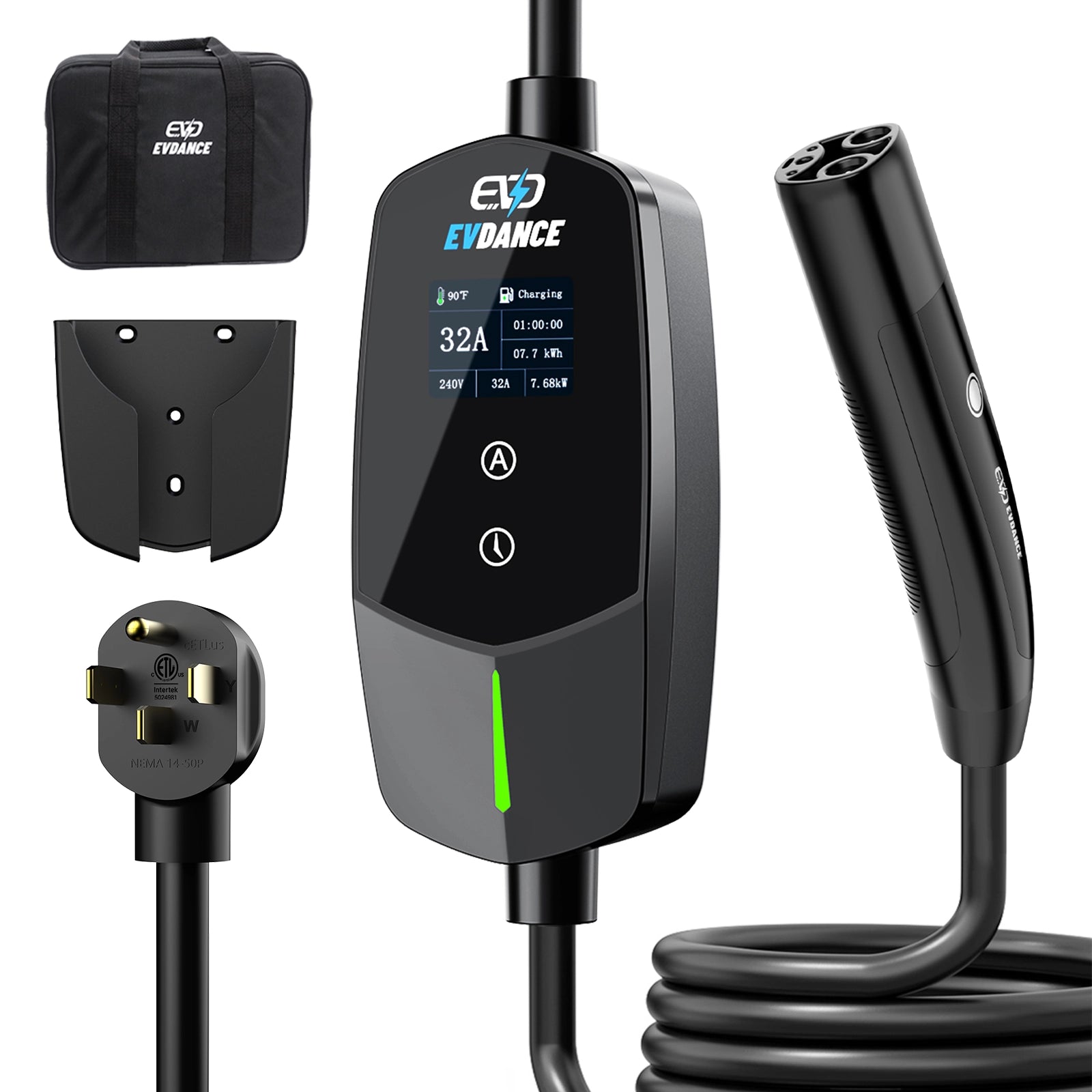
EVDANCE Level 2 NEMA 14-50 32A Tesla/NACS Portable EV Charger | ETL Certification

Connector
Socket
Cable
Circuit

Certified
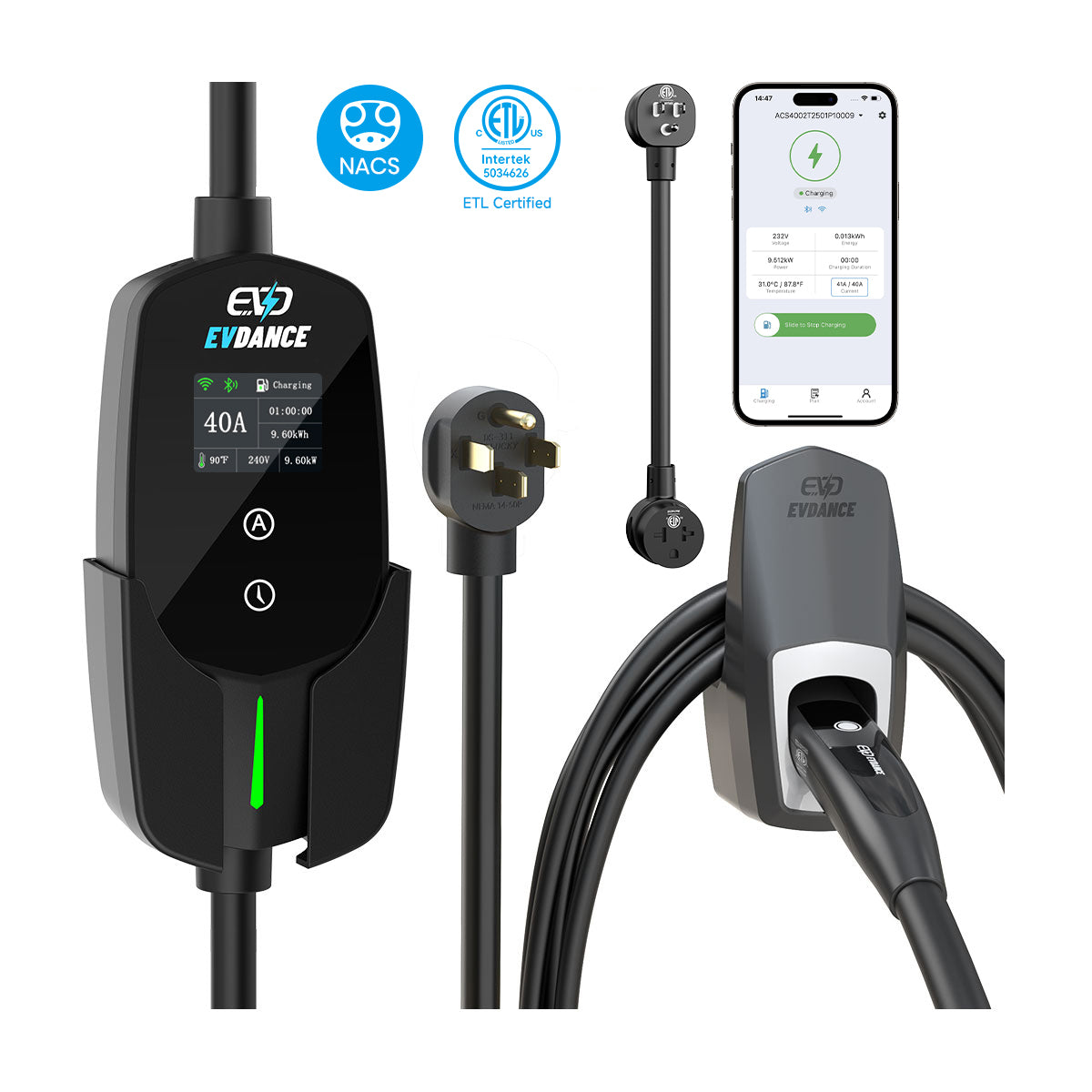
EVDANCE Flux Level 2 NEMA 14-50 40A NACS Portable EV Charger | ETL Certification
Connector
Socket
Cable
Circuit
Certified
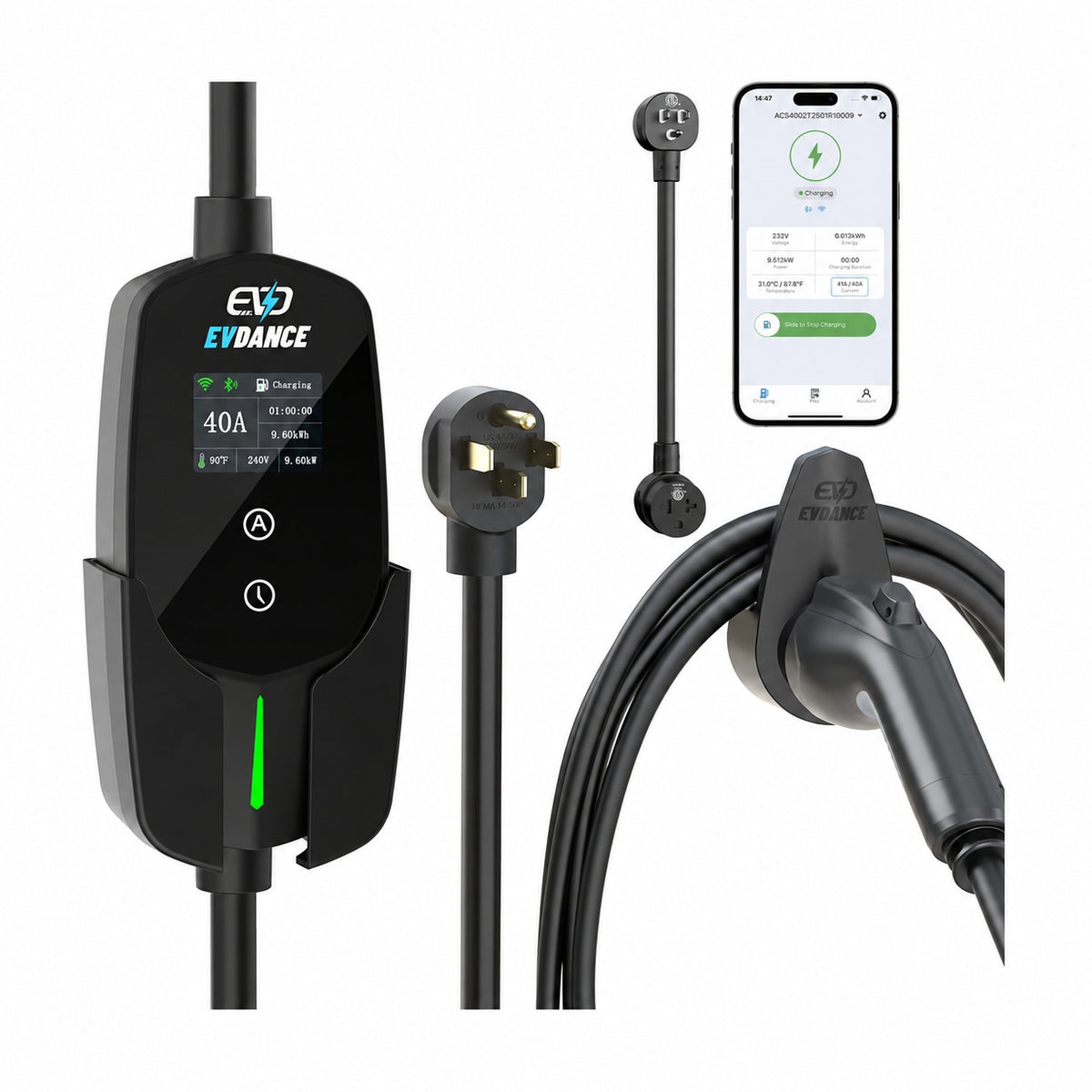
EVDANCE Flux Level 2 NEMA 14-50 40A J1772 Portable EV Charger | ETL Certification
Connector
Socket
Cable
Circuit
Certified
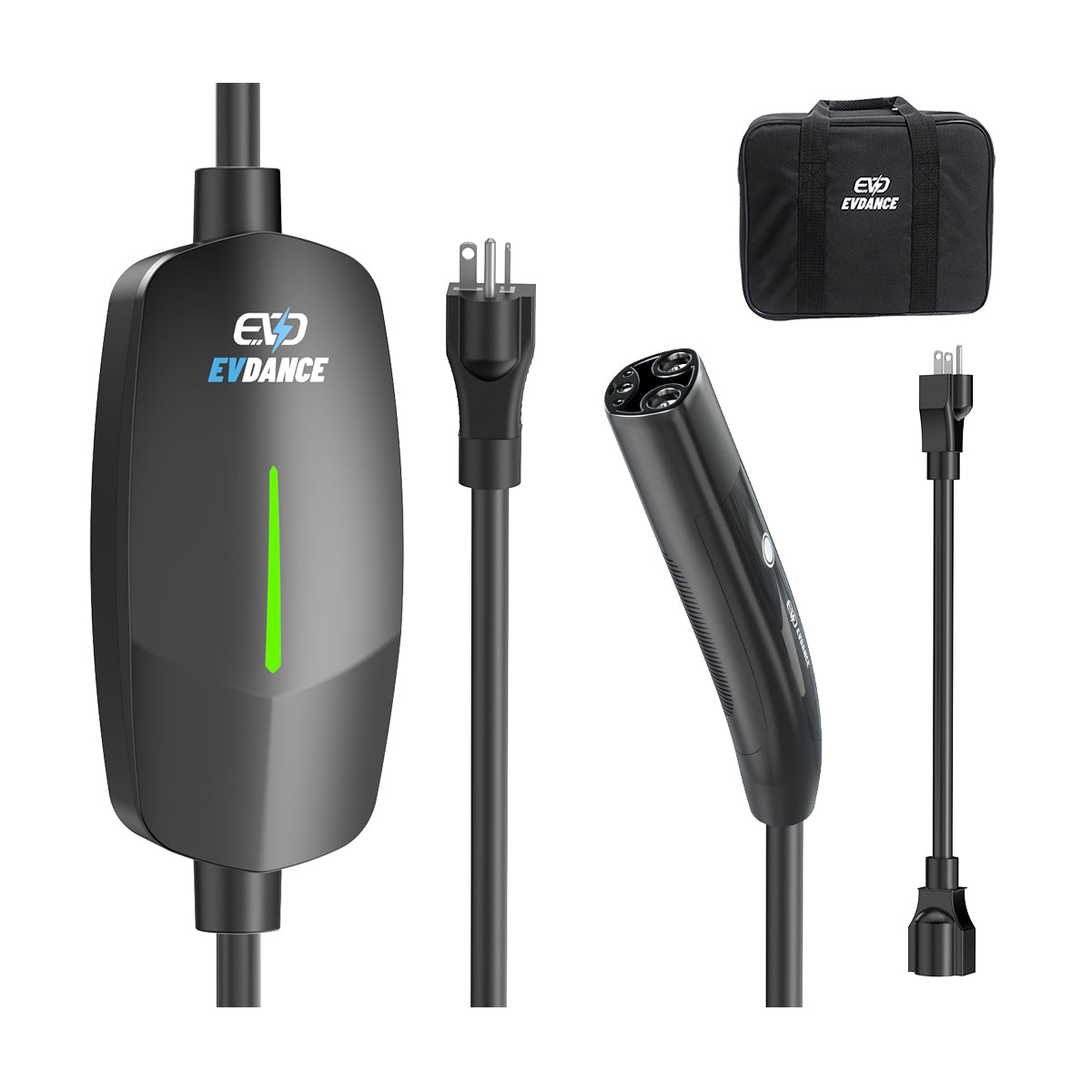
EVDANCE Level 1&2 EV Charger NEMA 6-20 NACS Portable Dual Plug In - 12/16A | ETL Certification
Connector

Socket
Certified
Cable

Socket
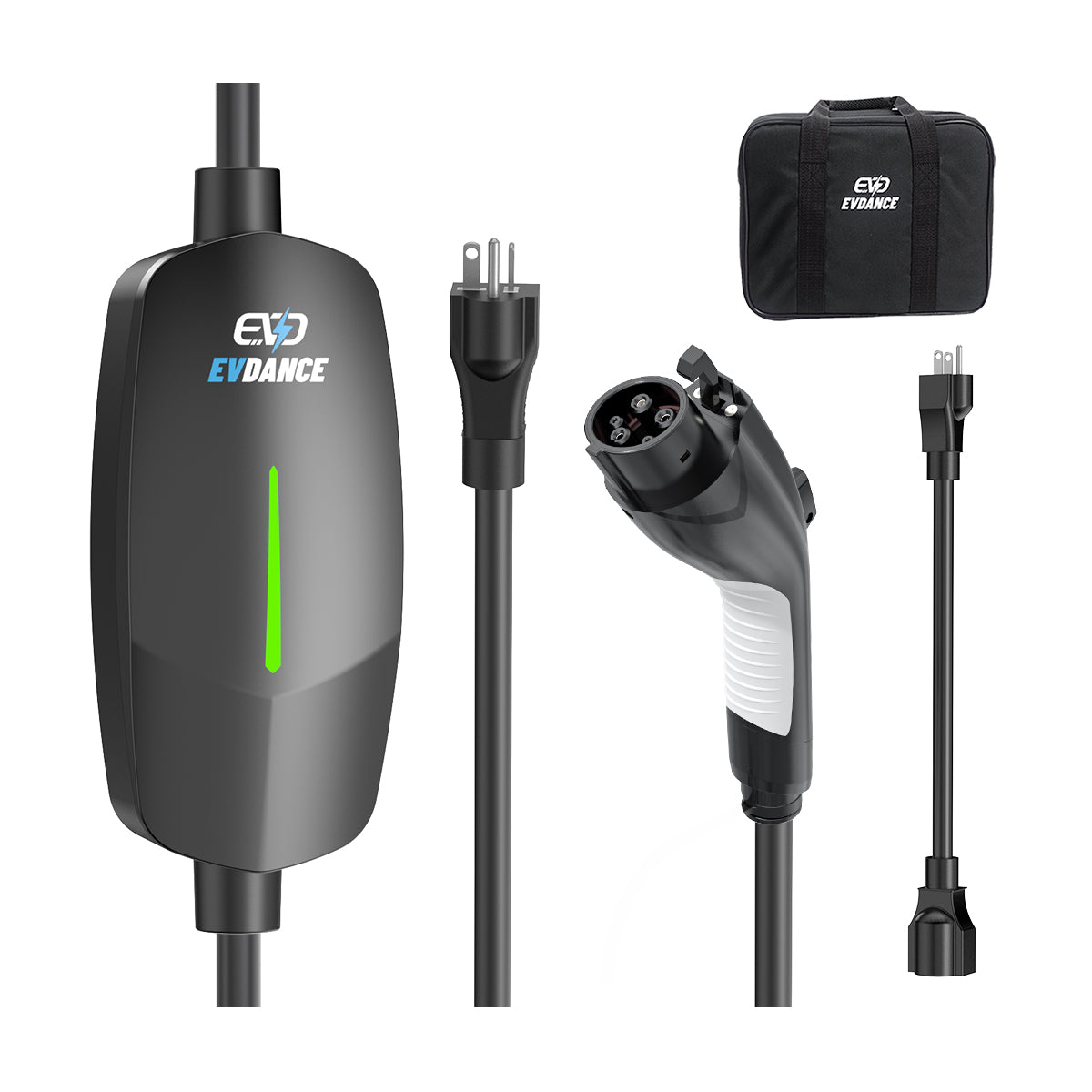
EVDANCE Level 1&2 EV Charger NEMA 6-20 J1772 Portable Dual Plug In - 12/16A | ETL Certification
Connector
Socket
Certified
Cable
Socket
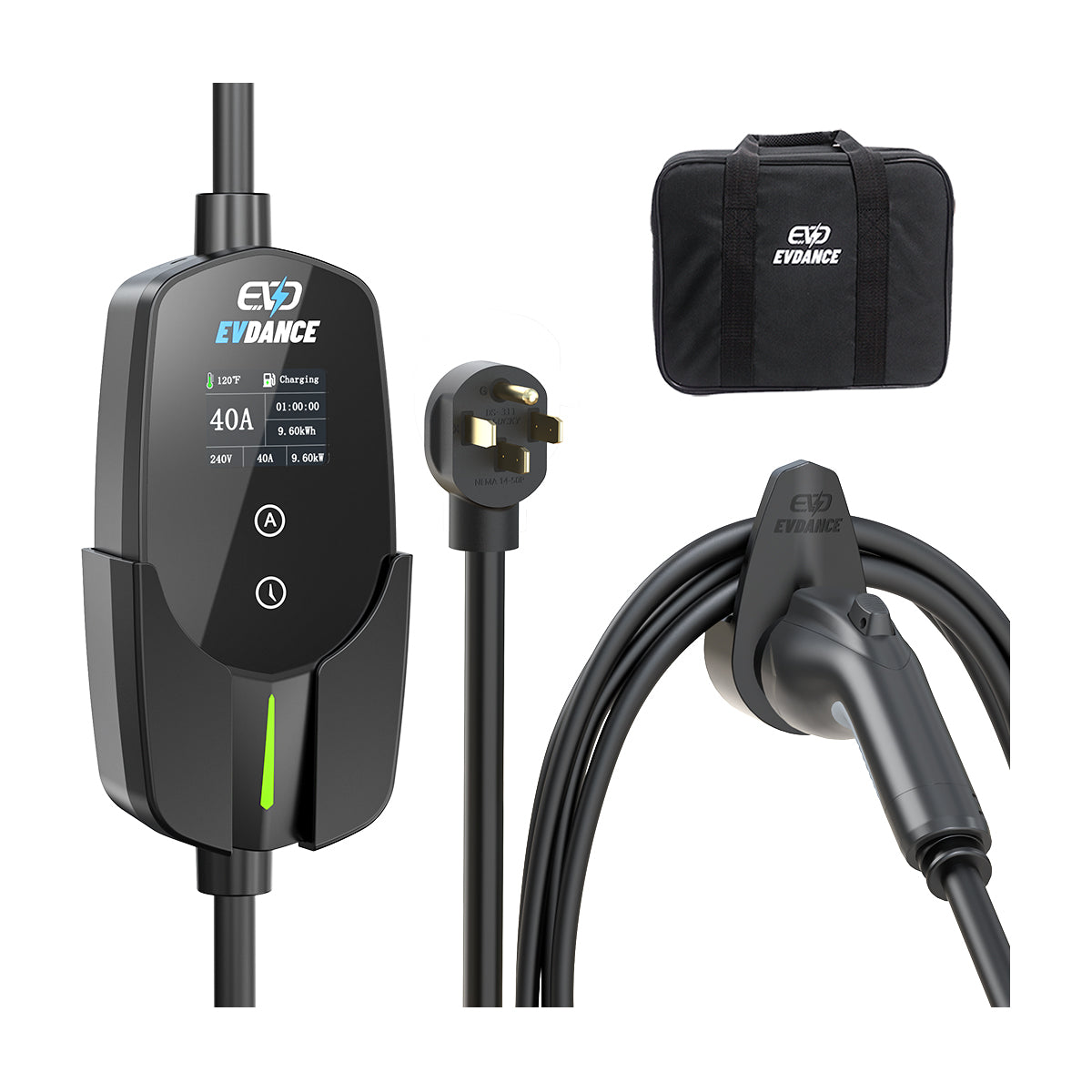
EVDANCE Level 2 NEMA 14-50 40A J1772 Portable EV Charger
Connector
Socket
Cable
Circuit
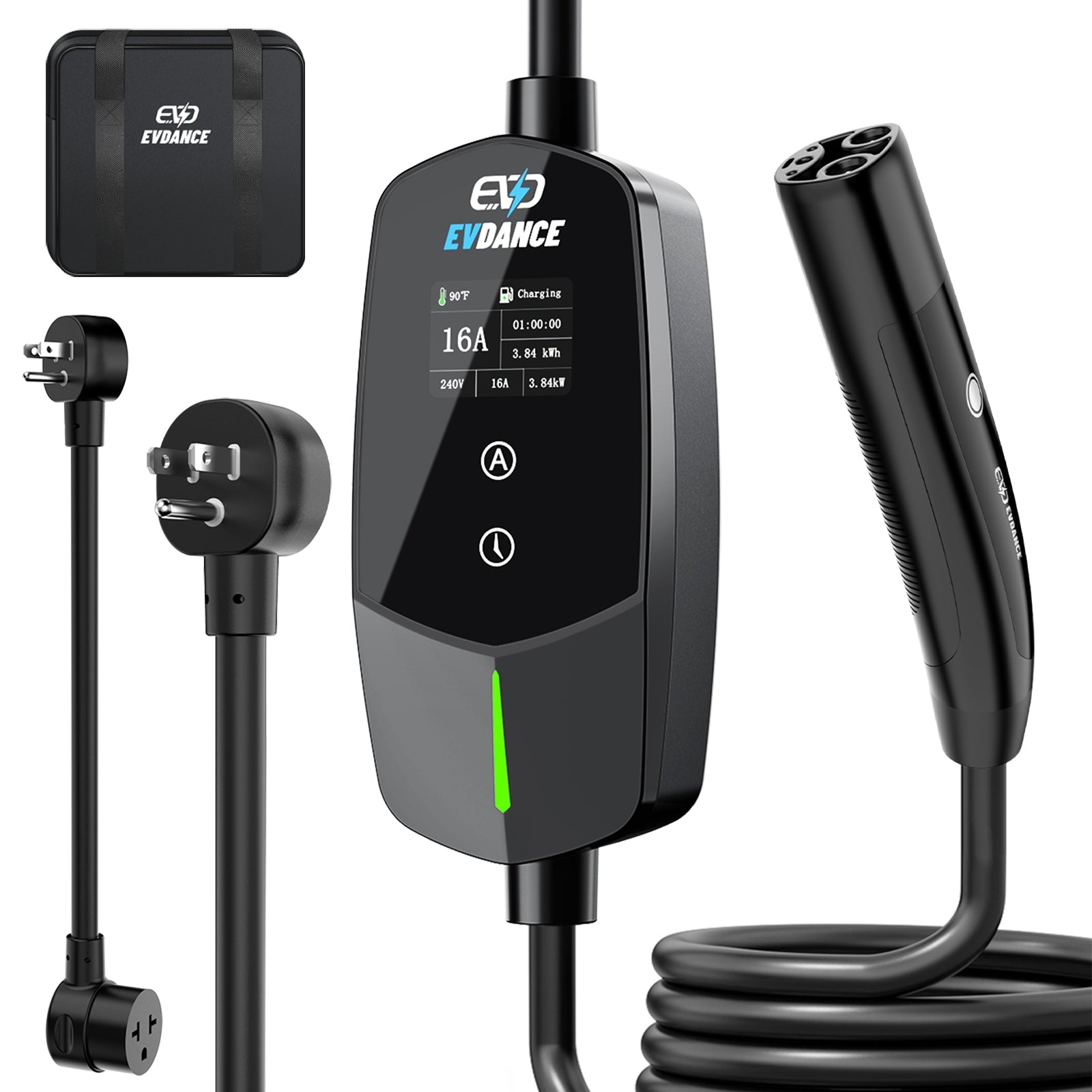
EVDANCE Level 1-2 NACS Portable EV Charger | 16A–24A
Connector
Cable
Control
Socket

Socket
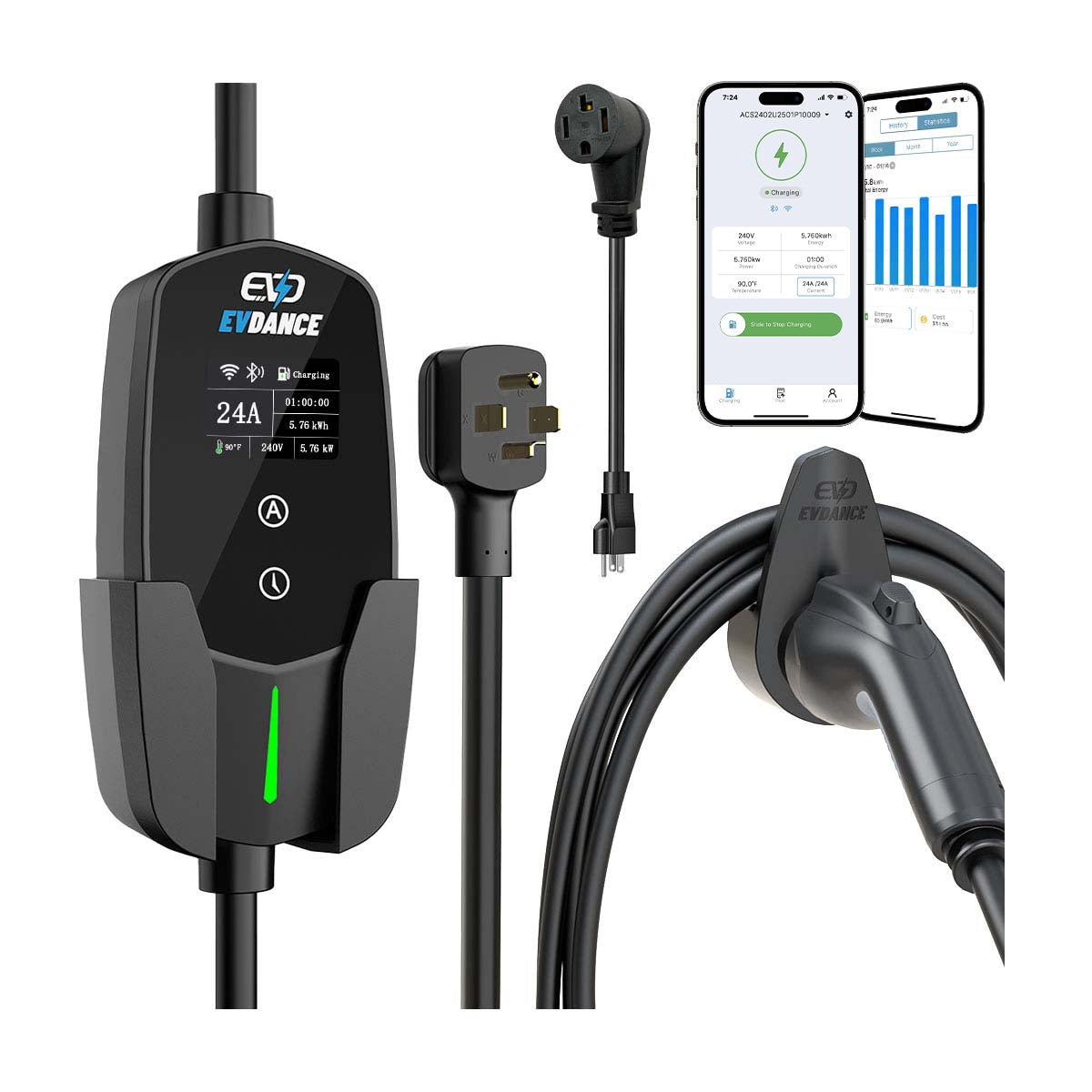
EVDANCE Level 1-2 J1772 Portable EV Charger | 16A–40A
Connector
Cable
Control
Socket
Socket
FAQs
Find the answers about portable EV Charger questions.
Are all EV chargers compatible with all electric cars?
No, but high compatibility is achieved across the North American market through standard plug designs and adapters. Most electric vehicles use either the round J1772 port for AC charging or the slim NACS port. Because adapters are widely available, any J1772-equipped vehicle can draw power from a NACS station using an adapter, and vice versa.
Level 2 EV charger vs Level 3 DC fast charger comparison
The primary differences are voltage, location, and speed. Level 2 chargers run on 240-volt household AC power, output 9.6 kW to 11.5 kW, can be installed at home by an electrician, and replenish an EV battery overnight in 4 to 10 hours. Level 3 DC fast chargers deliver up to 350 kW of direct current (DC) straight to the battery pack at public stations, filling 80% in 20 to 60 minutes.
How long does it take to charge an EV at home vs public stations?
Home charging times depend on your charger. A standard 120V Level 1 wall outlet takes 40 to 50 hours to fully charge. A residential 240V Level 2 charger shortens this significantly, replenishing a battery overnight in 4 to 10 hours. Public DC fast-charging stations are engineered for rapid on-the-road replenishment, charging up to 80% capacity in 20 to 60 minutes.
How does frequent DC fast charging affect EV battery life and warranties?
Relying on Level 3 public fast chargers as your primary daily power source can accelerate EV battery degradation over time. The high-current electrical flow generates continuous heat stress within the cells, which can slowly diminish the pack's capacity. To preserve long-term battery health and protect your warranty, manufacturers recommend using Level 2 AC chargers for standard daily use.
Are J1772 chargers compatible with fast charging or DC fast charging standards?
As electric vehicles (EVs) continue to gain popularity, the development of charging infrastructure becomes crucial. This article will introduce five main types of EV chargers:Level 1 chargers,Level 2 chargers, portable chargers, home chargers, and DC fast charging stations. Let's delve into the features and functions of each type of charger.
Not Found Your Qustions?
Go to our QA Question Bank for more answers!
EV Chargers Collection
An electric vehicle (EV) charger supplies electrical energy from the power grid to recharge an electric vehicle's battery. The overall EV charging process converts and transfers grid electricity into the car or vehicle's battery pack, providing a vital advantage for sustainable transit. Fully electric vehicles produce no tailpipe emissions. While executing a charge might increase emissions at a regional power plant, total greenhouse gas emissions associated with driving an EV remain dramatically lower than those of standard gasoline vehicles, especially when the household grid pulls from clean, renewable sources. This shift drastically improves sustainability in the transportation sector.
For every mile driven, the average cost to drive an electric vehicle is less than half what it costs to operate a standard gasoline car. Utilizing an energy-efficient, ENERGY STAR-certified electric car charger significantly reduces this cost further while supporting environmental health. For everyday EV drivers, residential EV charging can be accomplished cleanly while the vehicle sits parked. This path is highly economical compared to public infrastructure, costing roughly one-third as much as public DC fast chargers. Home EV charging equipment generally splits into two categories based on power output and charging rate. A smart Level 2 residential EV charger station is recommended for the vast majority of EV owners due to its capability to replenish a completely drained vehicle battery overnight.
Level 1 Charging Basics
Level 1 charging utilizes standard household 120-volt electrical outlets, similar to the plugs used for standard lamps or small electronic accessories. It provides roughly 2 to 5 miles of driving range per hour of connected power delivery without requiring structural modifications to your home's electrical system. Level 1 portable options add about 2 to 4 miles of driving range per hour, making them ideal for small plug-in hybrids or topping off a battery pack overnight. Because it relies entirely on a standard household wall plug, a full recovery for a massive battery can span up to 40 to 50 hours. While limited in total output, it provides excellent portable backup functionality for unexpected road trips or drivers managing short commutes.
Level 2 Charging Basics
Level 2 charging stands as the certified residential benchmark.A dedicated 240-volt outlet or circuit is commonly recommended for faster home charging than a standard outlet, mimicking the heavy-duty lines running an electric dryer or kitchen oven. It requires a dedicated circuit that an electrician must install, providing about 20 to 37 miles of range per hour for most setups, while high-amperage hardware can deliver more depending on continuous line capacity.Level 2 hardware achieves full overnight battery restoration in 4 to 10 hours, making it highly practical for long-range commuters. Because it handles high voltage, this hardware requires a structured installation by professional electrical contractors.
Electrical Safety and UL 2594 Certification
Because EV chargers handle high-voltage continuous power, stringent third-party testing is essential to prevent shock, overheating, and fire risks. Selecting hardware certified by a Nationally Recognized Testing Laboratory (NRTL) ensures the device meets strict national safety standards.